
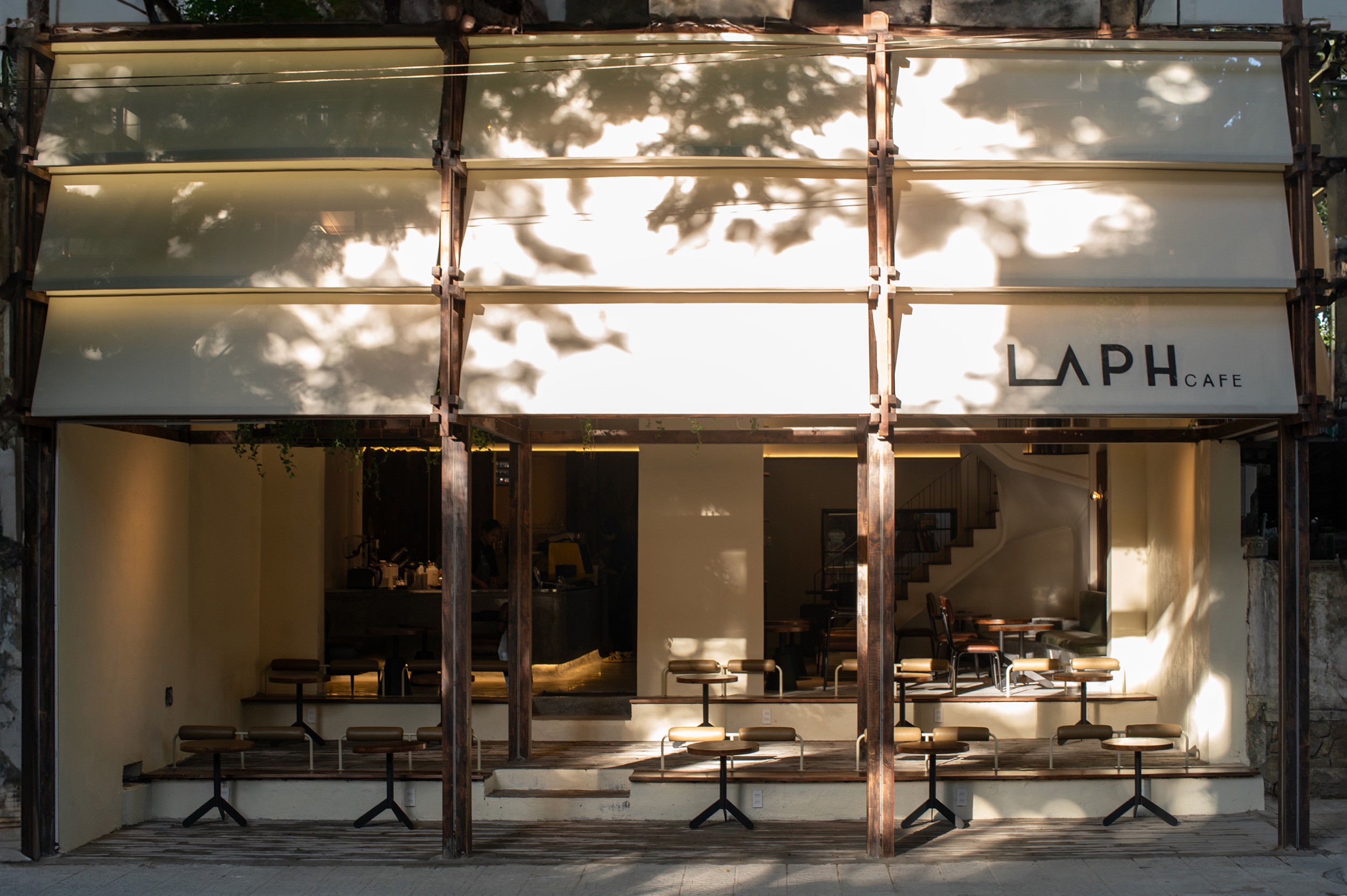
Text
Giang Hương
Portrait
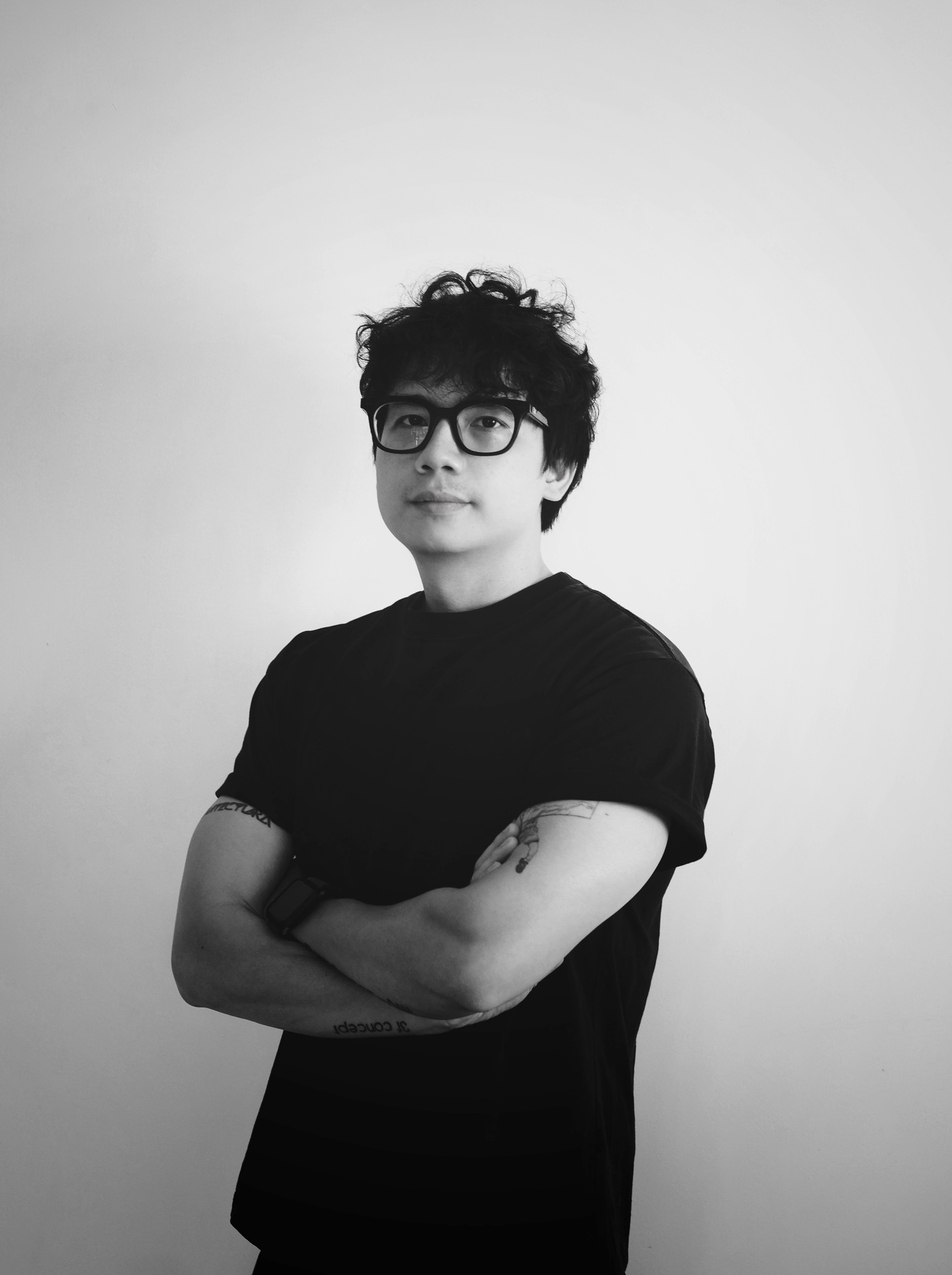
Pham Nhat Hung
Photo
Nguyen Dang Hieu
Location
Hue city, Vietnam
Time
07.2025
Huế is a singular city in the current of Vietnamese architecture. For architect Pham Nhat Hung, it is not only a place to live and work but also a fundamental source of material and inspiration in his pursuit of spatial creation. After many years in Ho Chi Minh City, he chose to return to Hue city to establish 3f concept, an architectural studio devoted to modest yet enduring projects grounded in local culture.
As a participant in “Practising Hue+,” Hung arrives without a grand agenda. “I just want to listen,” he reflects. For him, the initiative is an opportunity to connect with Hue’s architectural community, colleagues he once knew only through their works. The value of this connection extends beyond workshops or exhibitions; it lies in a shared spirit of practice in a heritage city, where every gesture must be made with care and consideration.
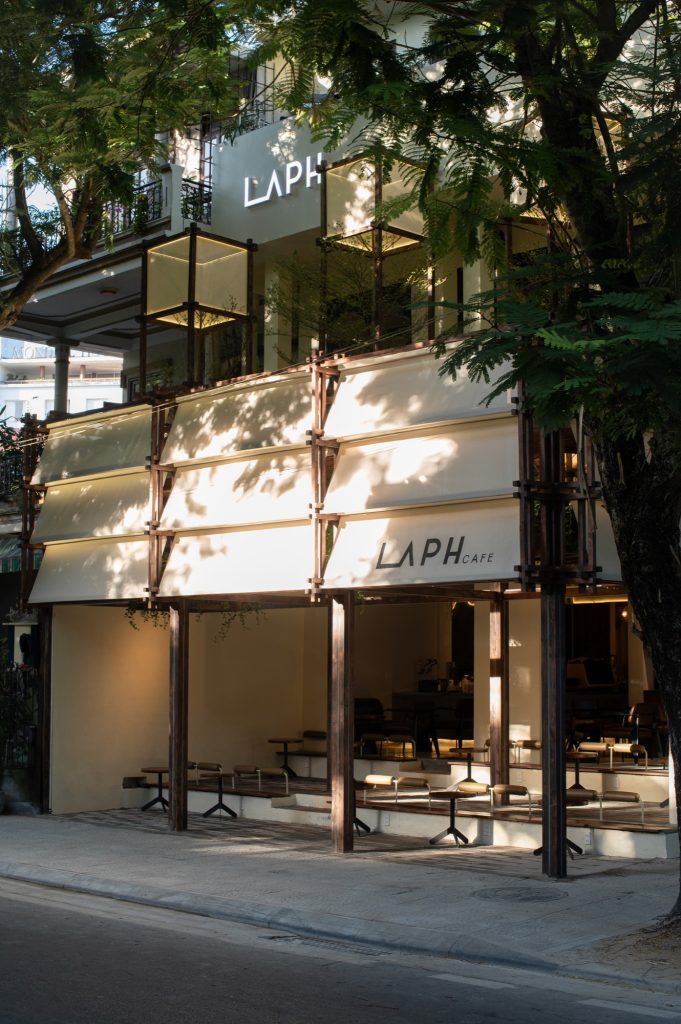
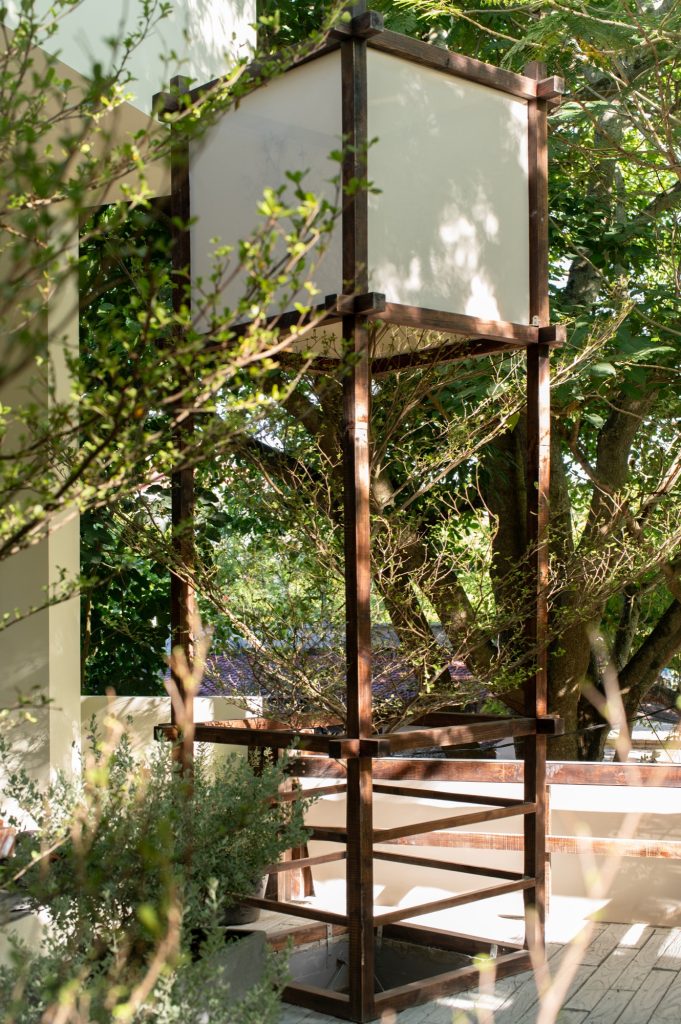
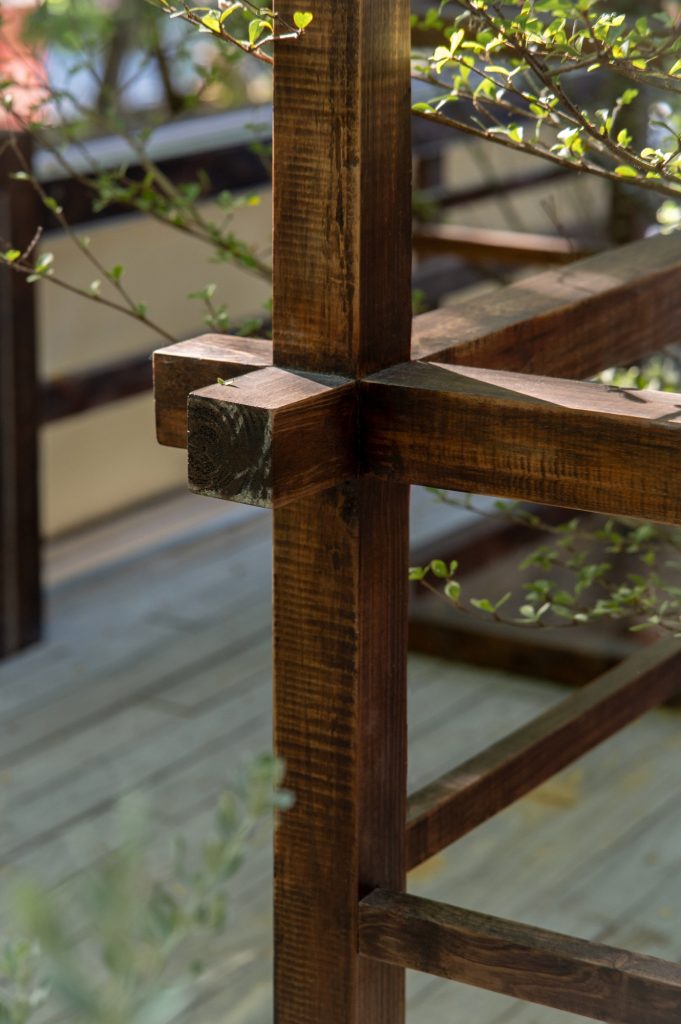
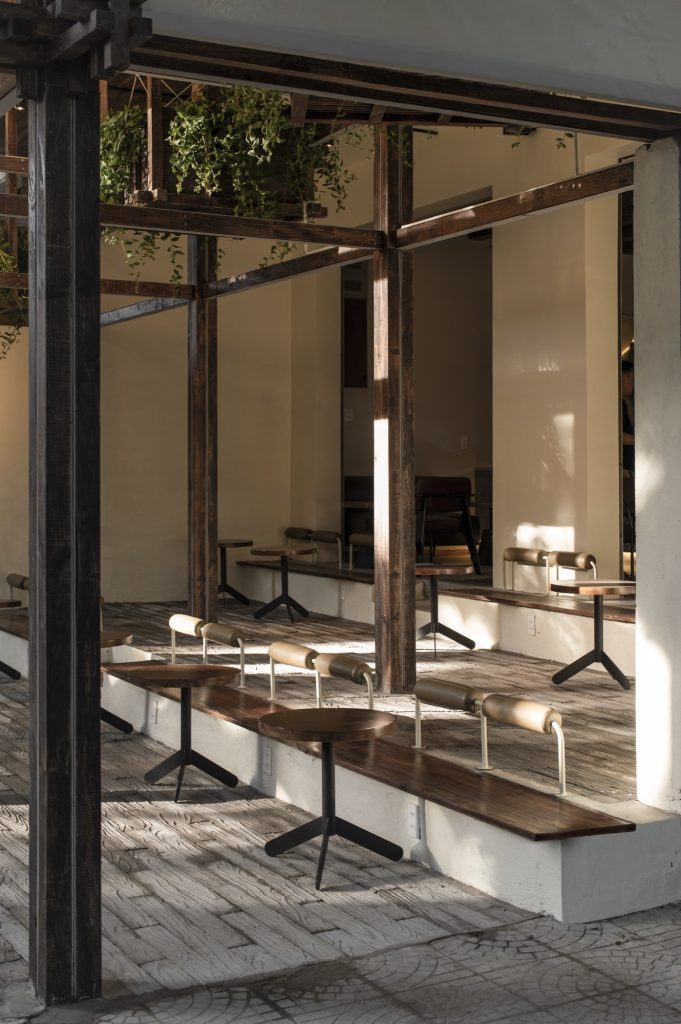
Hung believes that Hue province is a place where traditional values are deeply preserved, not only in architecture but also in ways of living and thinking. “Whether unconsciously or deliberately, this is always present in how architects here approach space,” he reflects. For him, design does not begin with form but with careful observation and understanding: people, context, history, and climate must all be considered in order to create spaces that feel naturally at home in their surroundings.
Speaking about a project included in the exhibition – a retreat completed in 2022, he explains: “We took on this project after a long period of social distancing during the pandemic. The central question was how to create a space that brings people closer to nature and allows them to slow down. Just as a craftsman chooses the right wood for each piece, an architect must grasp the essence of a place to arrive at solutions that are simple yet resonant.”
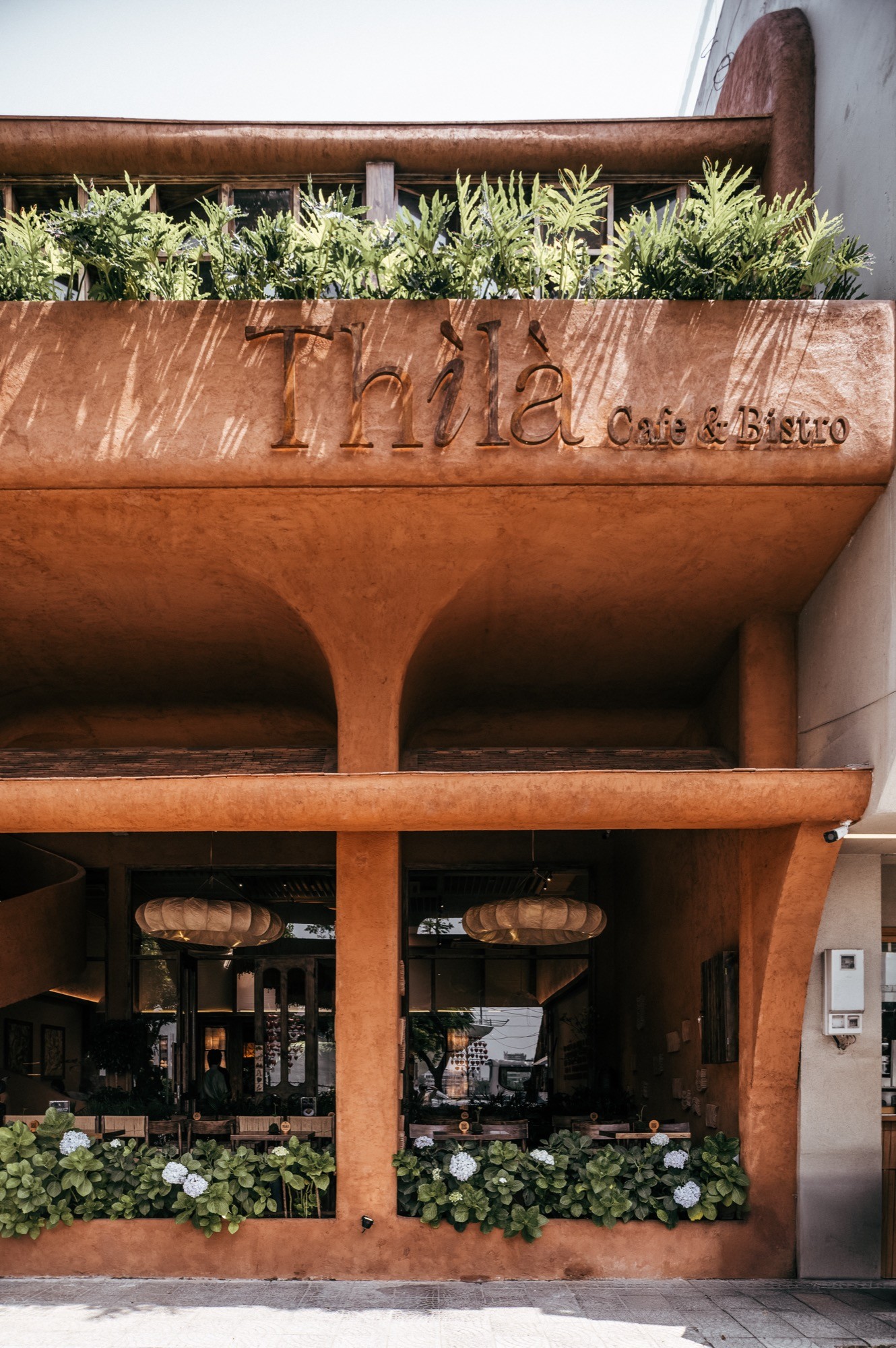
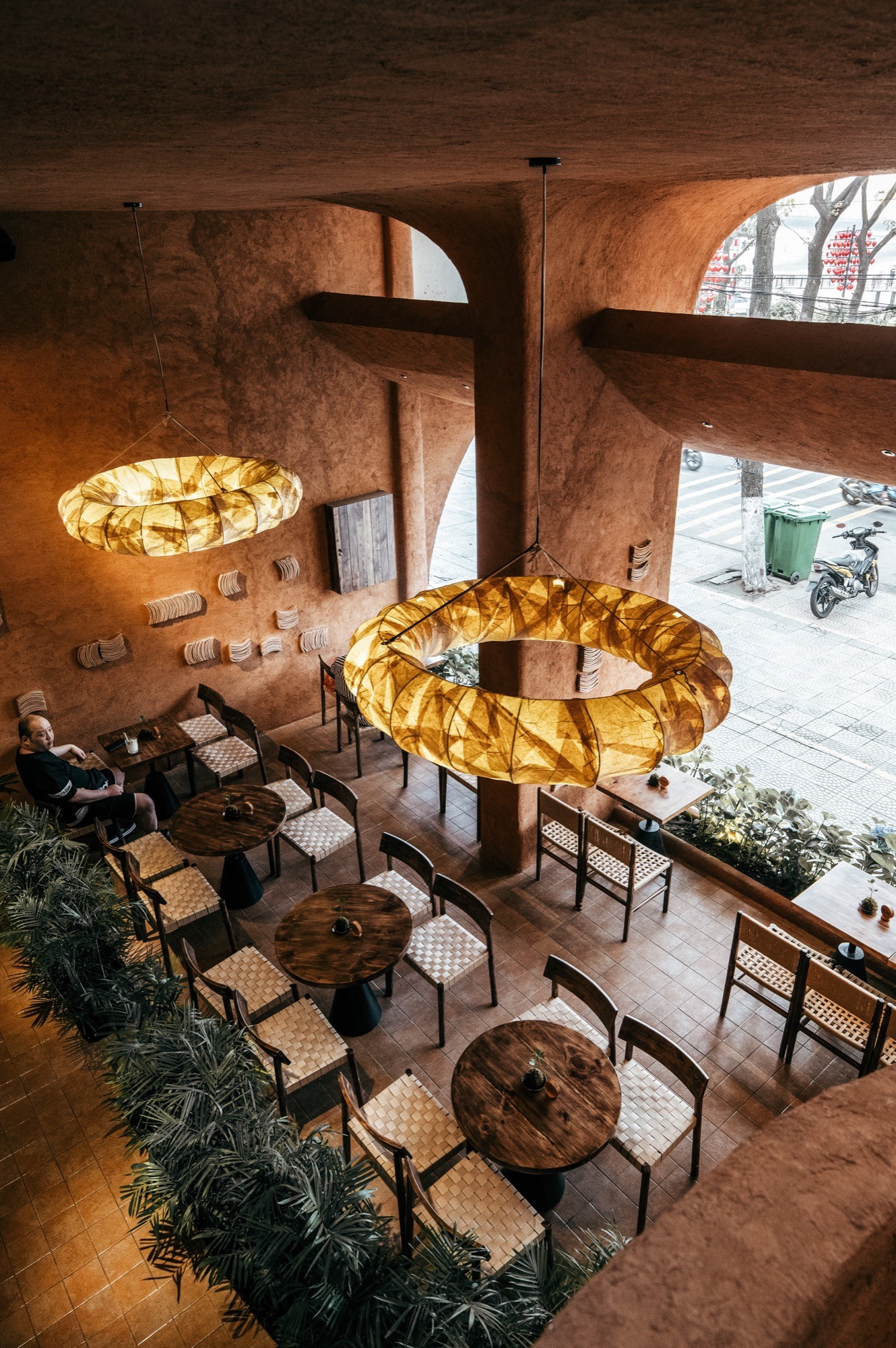
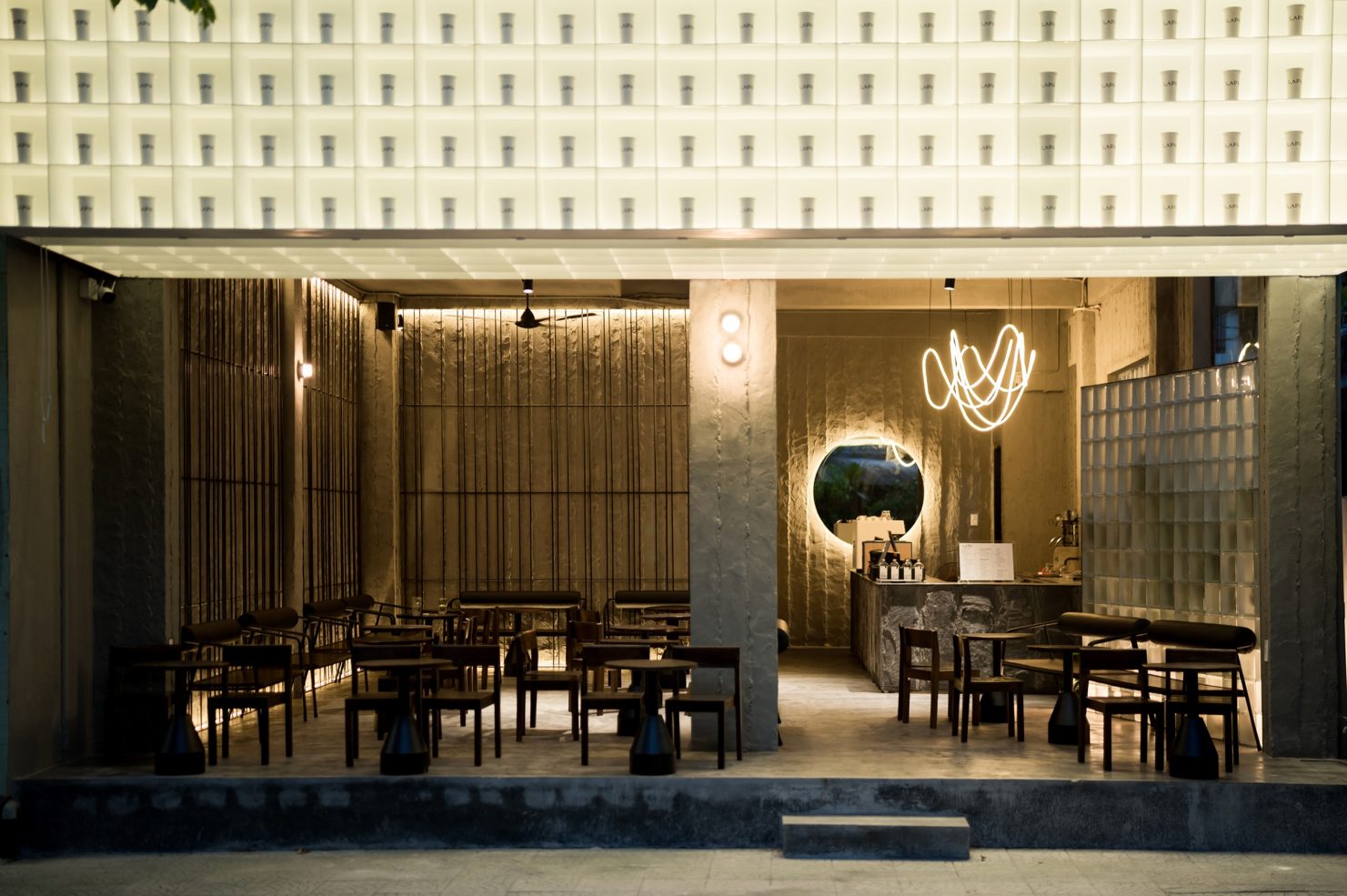
This way of thinking is inseparable from the context of Hue province, where development is always intertwined with preservation. “Hue startled me when I realized that this city grows without losing itself,” Hung reflects. For him, practicing architecture in Hue province is not an act of conquest but a dialogue with the land, the people, and their collective memory. “If I can infuse the spirit of tradition into my designs, I will. If not, I simply hope to preserve what already exists in my own way.”
When asked about material choices, Hung highlights the singular qualities of wood. “Wood is alive and evolves over time, bearing the marks of both the maker and the user.” This, he explains, makes it a material that is never truly the same, an ideal medium for those who seek individuality in design.
At the “Practising Hue+” workshop, 3f concept did more than present a project, it shared a guiding philosophy. “I believe that simplicity and functionality form the solid foundation of all design,” Hung affirms. He relates this to the principle of dụng nhân như dụng mộc: just as a skilled craftsman understands the grain of wood, a thoughtful designer must understand the true needs of people.
Although “Practising Hue+” may appear modest in scale, for Pham Nhat Hung it is part of a larger journey of listening, learning, and preserving the spirit of the profession within the distinctive context of Hue city.
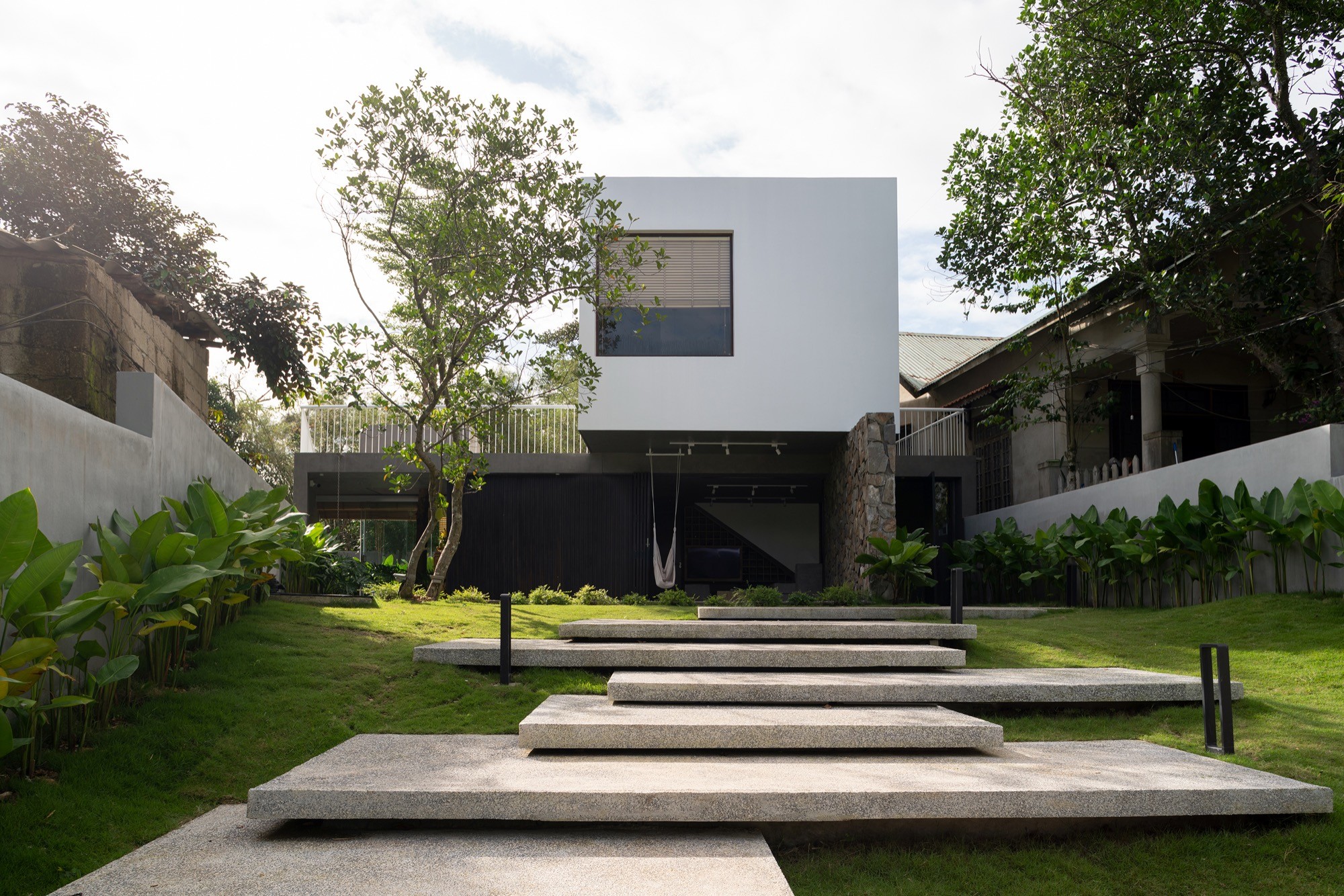
Practising Hue+ embodies a vision for a creative community where architectural practices in Huế come together to collaborate, share, support, and learn, fostering collective growth in Vietnam. Conceived as an open, interdisciplinary network, it operates at the intersection of architecture, art, and culture – a place where ideas are sparked and local values are celebrated. While deeply rooted in Huế, the initiative aspires to expand its reach, connecting with other regions of Vietnam and embracing creative disciplines such as painting, sculpture, and visual design in order to cultivate a sustainable, identity-rich ecosystem.
The 2025 theme, “Wood in Design,” invites architectural practices to reflect on how wood is employed as a living design language. From residential projects imbued with Vietnamese tradition to contemporary works where wood serves simultaneously as structure, expression, and emotion, the event opens a dialogue on the enduring role of material. Each project becomes part of a broader exploration of the relationship between material and space, tradition and innovation, practice and art. In this way, wood emerges as a bridge between people, nature, and time, helping to redefine contemporary living spaces with depth and resonance.