Text
Anh Nguyen
Photo
Anh Nguyen
Trieu Chien
Gia Minh
Lê Hiep
Location
Phu Lang village,
Que Vo, Bac Ninhn
Vietnam
Phu Lang, a pottery village in Que Vo district of Bac Ninh province, lies about 60 kilometers from Hanoi and just four kilometers from the confluence of the Luc Dau River. Set along the banks of the Cau River, the village is framed by a landscape of mountains and water characteristic of ancient Kinh Bac. Its location has long provided easy river transport, enabling the movement of both raw materials and finished ceramic wares.
Archaeological research on Phu Lang ceramics, however, remains scarce. To date, no major surveys or excavations have been carried out to establish a precise chronology of its ceramic production. Yet across centuries, the tradition has endured. The potters of Phu Lang have preserved distinct glaze techniques and formulas, with characteristic surface layers that continue to define the village’s identity within Vietnam’s ceramic heritage.
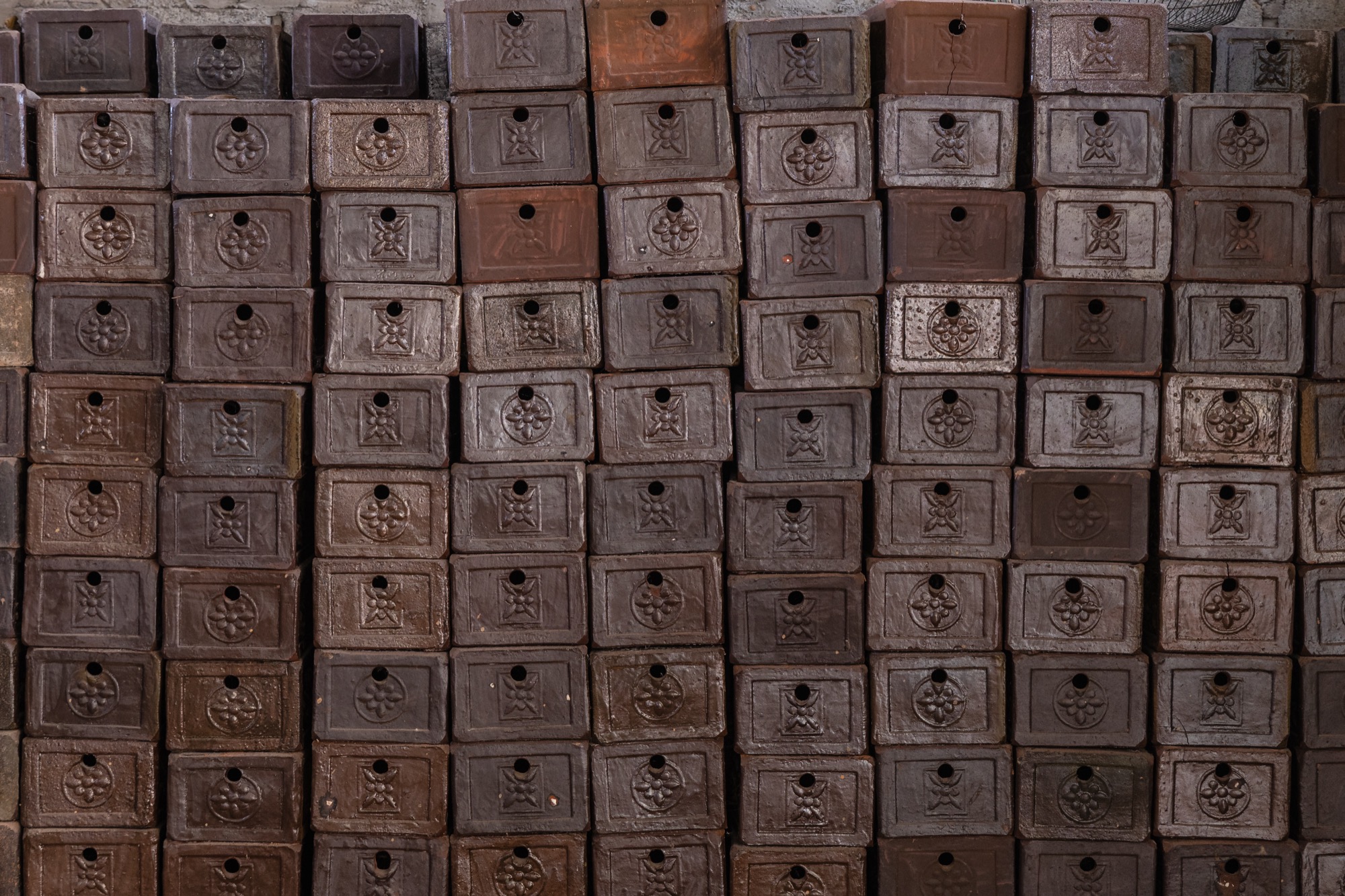
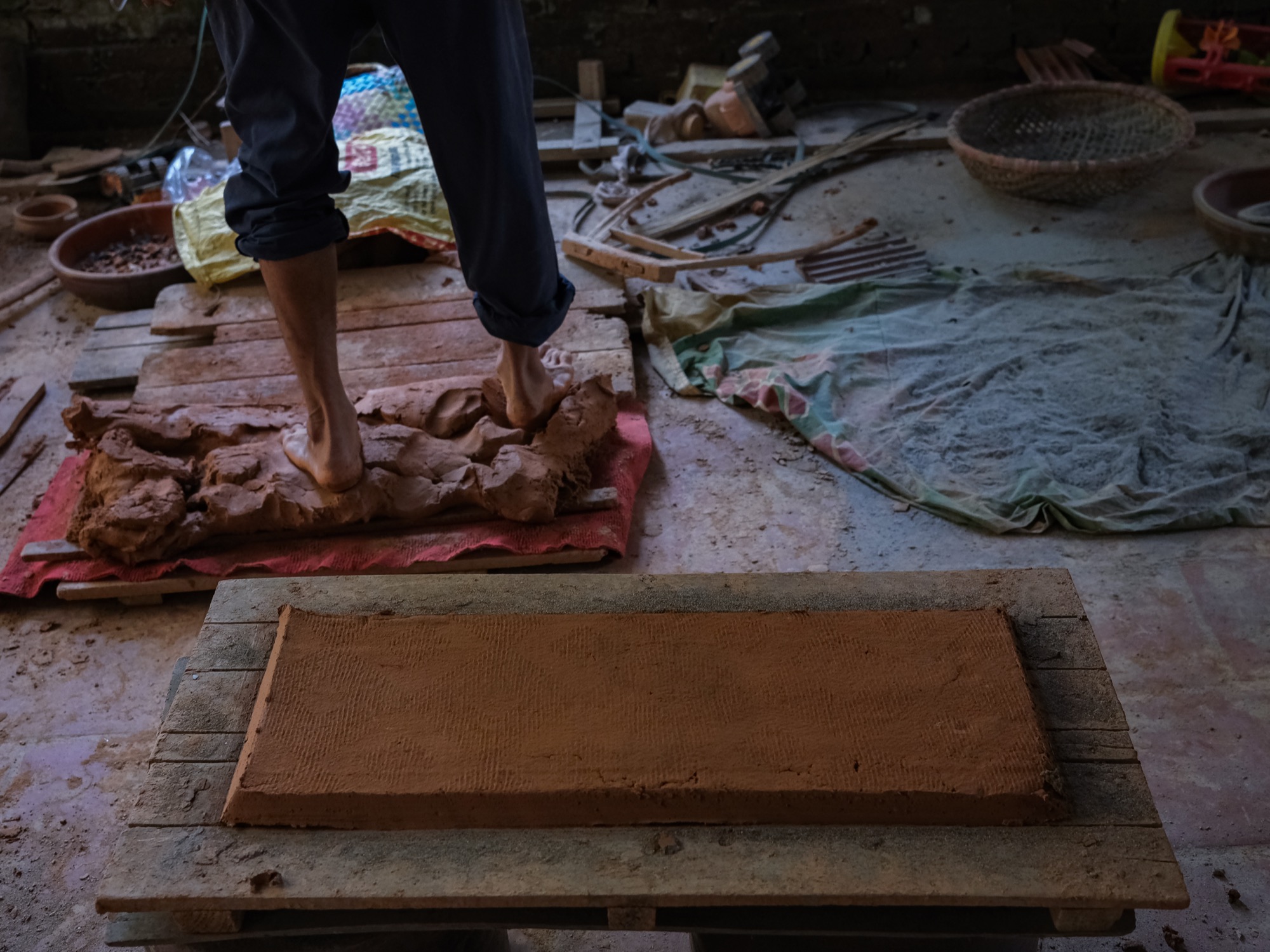
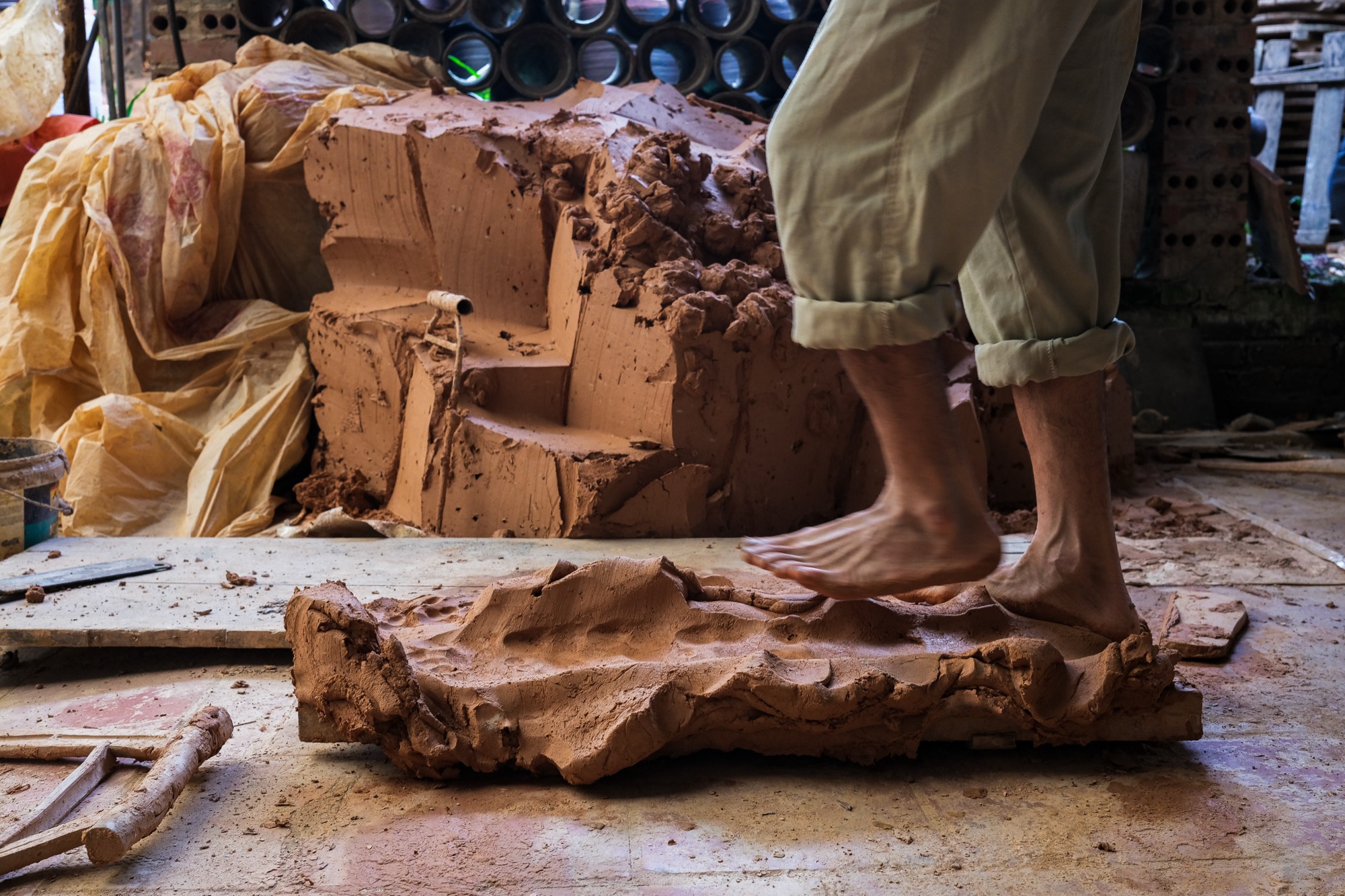
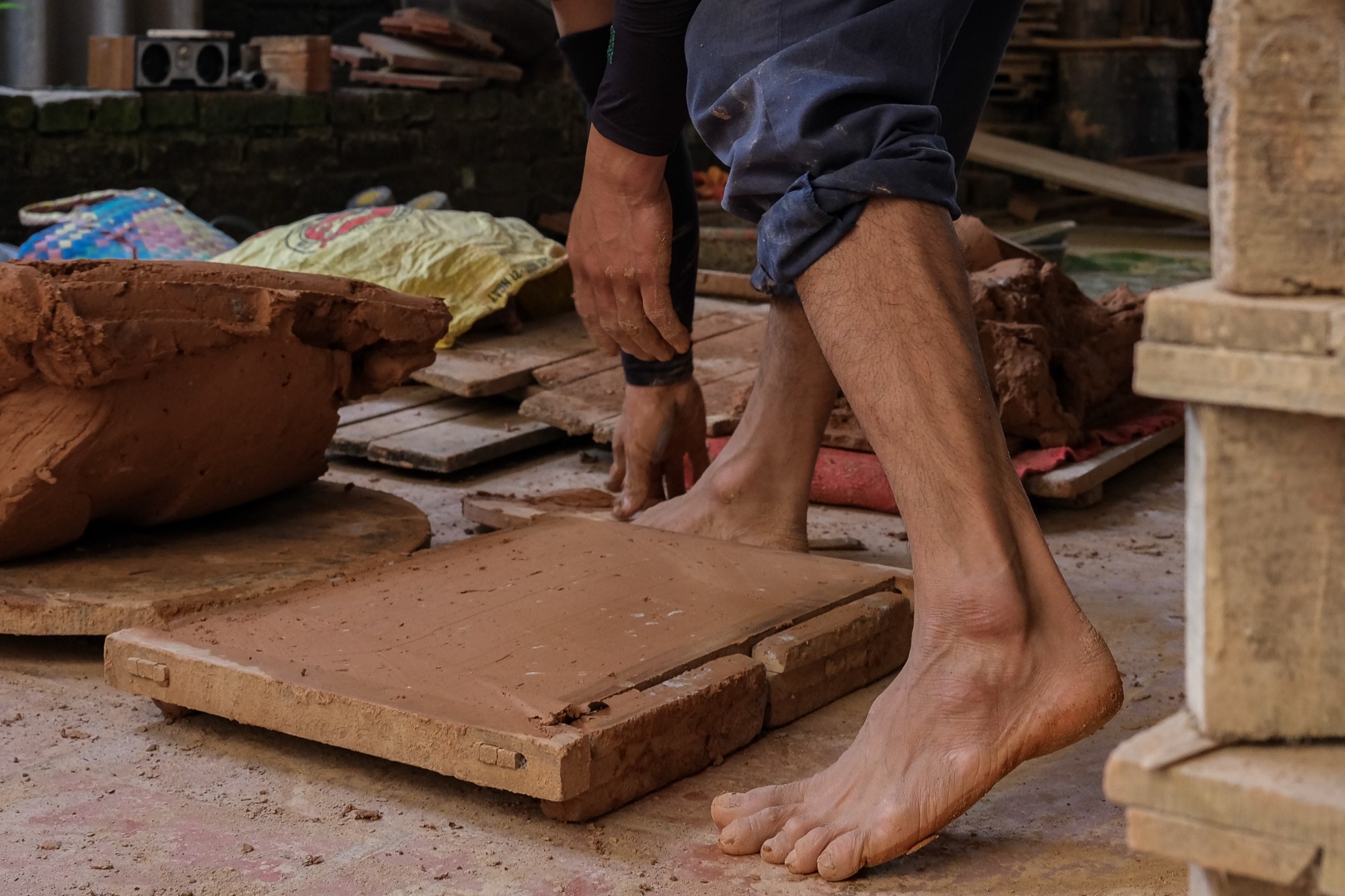
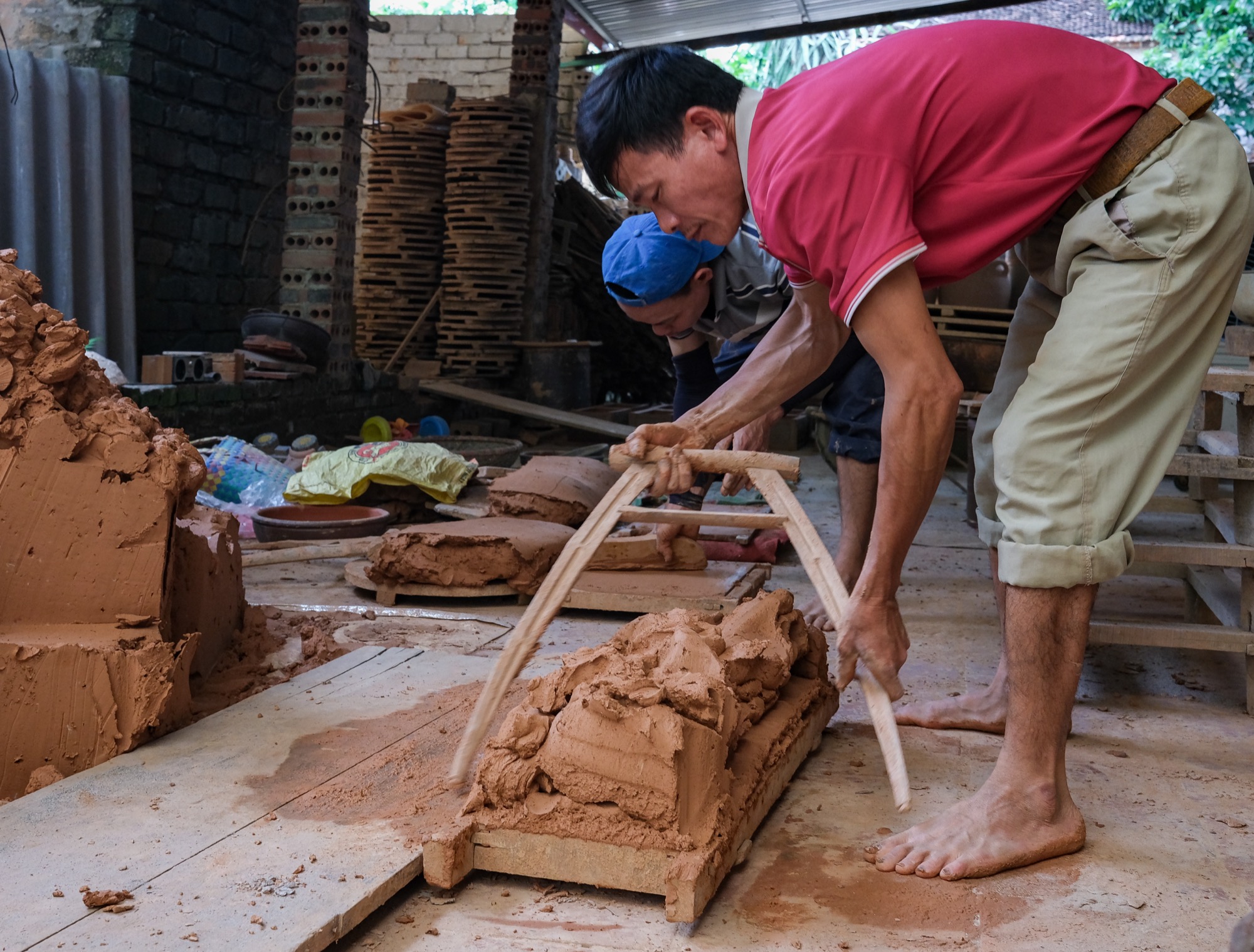
In the middle of a roofed courtyard, two artisans work in quiet rhythm, shaping clay into molds to produce quách – ceramic coffins. Their gestures are efficient, each responsible for a few steps, repeating the cycle so seamlessly that a single piece takes less than five minutes to complete.
The elder artisan begins by placing a heavy lump of clay onto a mold set directly on the ground, forming the base of the quách. Harnessing the weight of his own body, he presses and spreads the clay with his feet until it covers and overflows the wooden frame. Before lifting the base to a table, he trims the excess clay from the edges, smoothing the surface, then slips a wooden stick beneath to release it from the mold. The four side panels are created in a similar way, though these molds carry carved motifs of dragons and characters, imprinting decoration as part of the structure itself. Piece by piece, the artisans fit the panels together around the base, sealing each joint with fresh clay until a section of the quách takes shape.
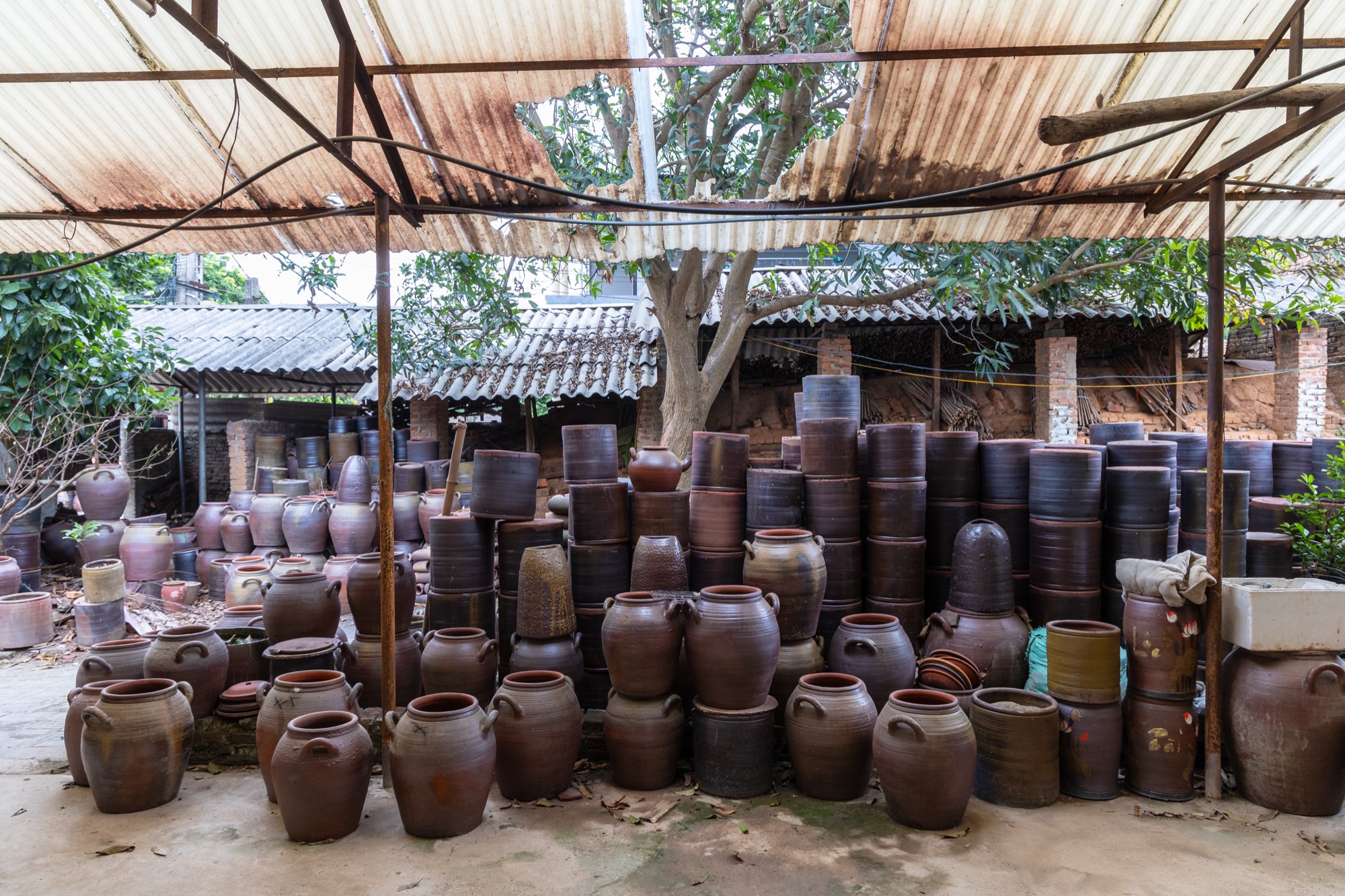
Through the long afternoon they continue, their silence broken only by the movement of clay and wood, until rows of newly formed coffins are left to dry in the adjoining courtyard. When the work is done, they change clothes, fold away their soiled garments, wash hands and feet, and comb their hair with care. Only then do they pause, sharing tea and scrolling through their phones before heading home.
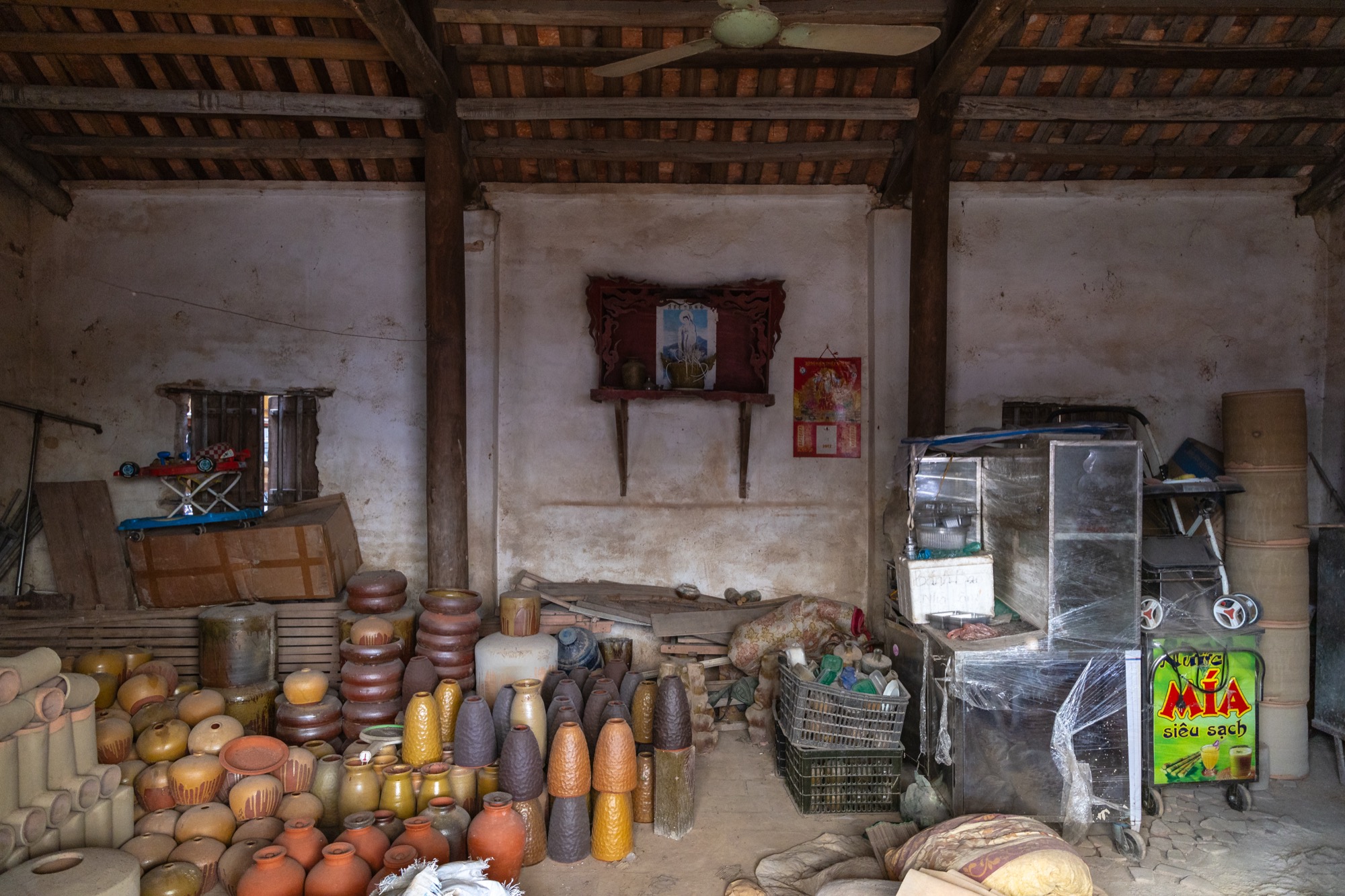
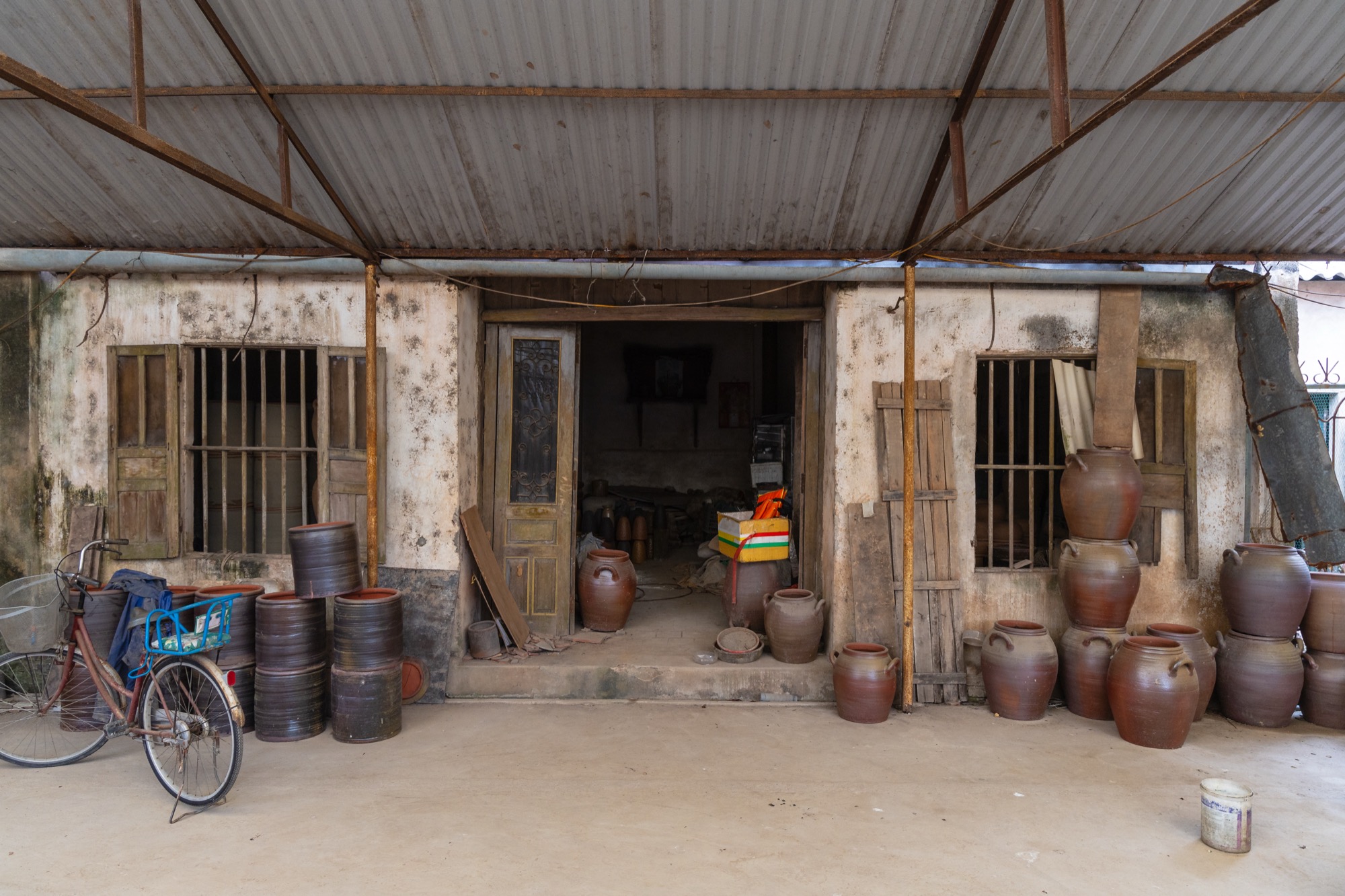
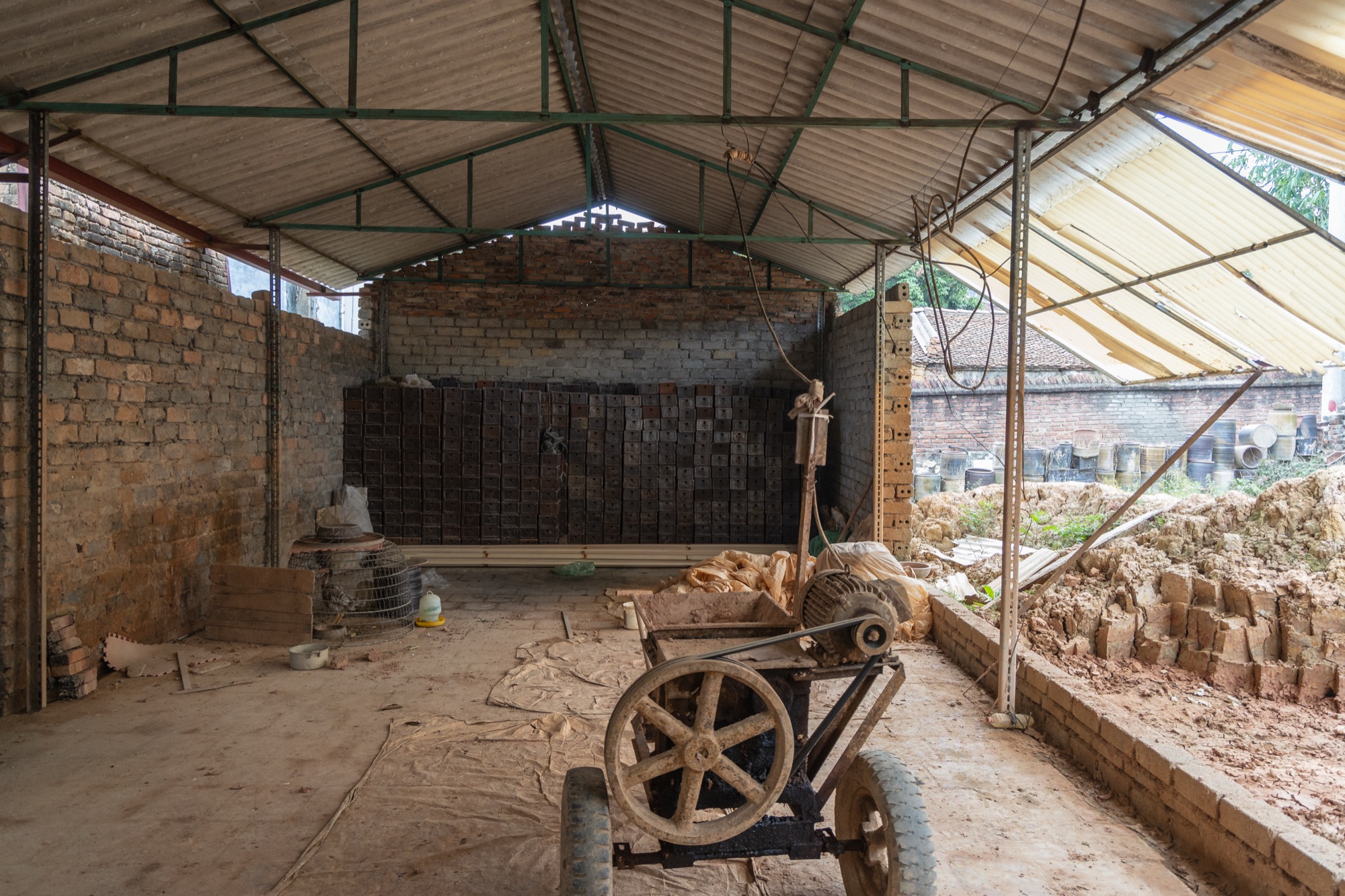
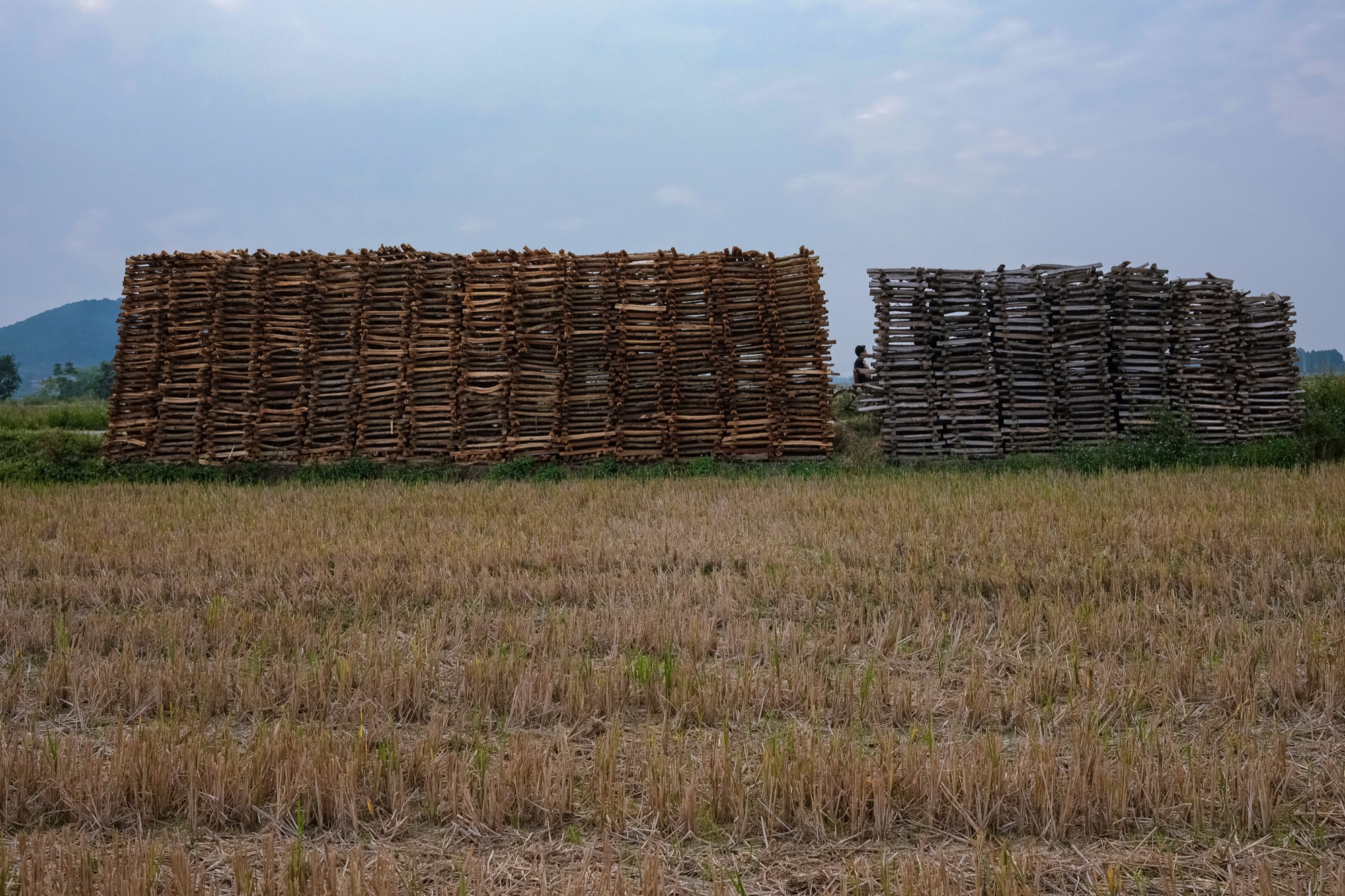
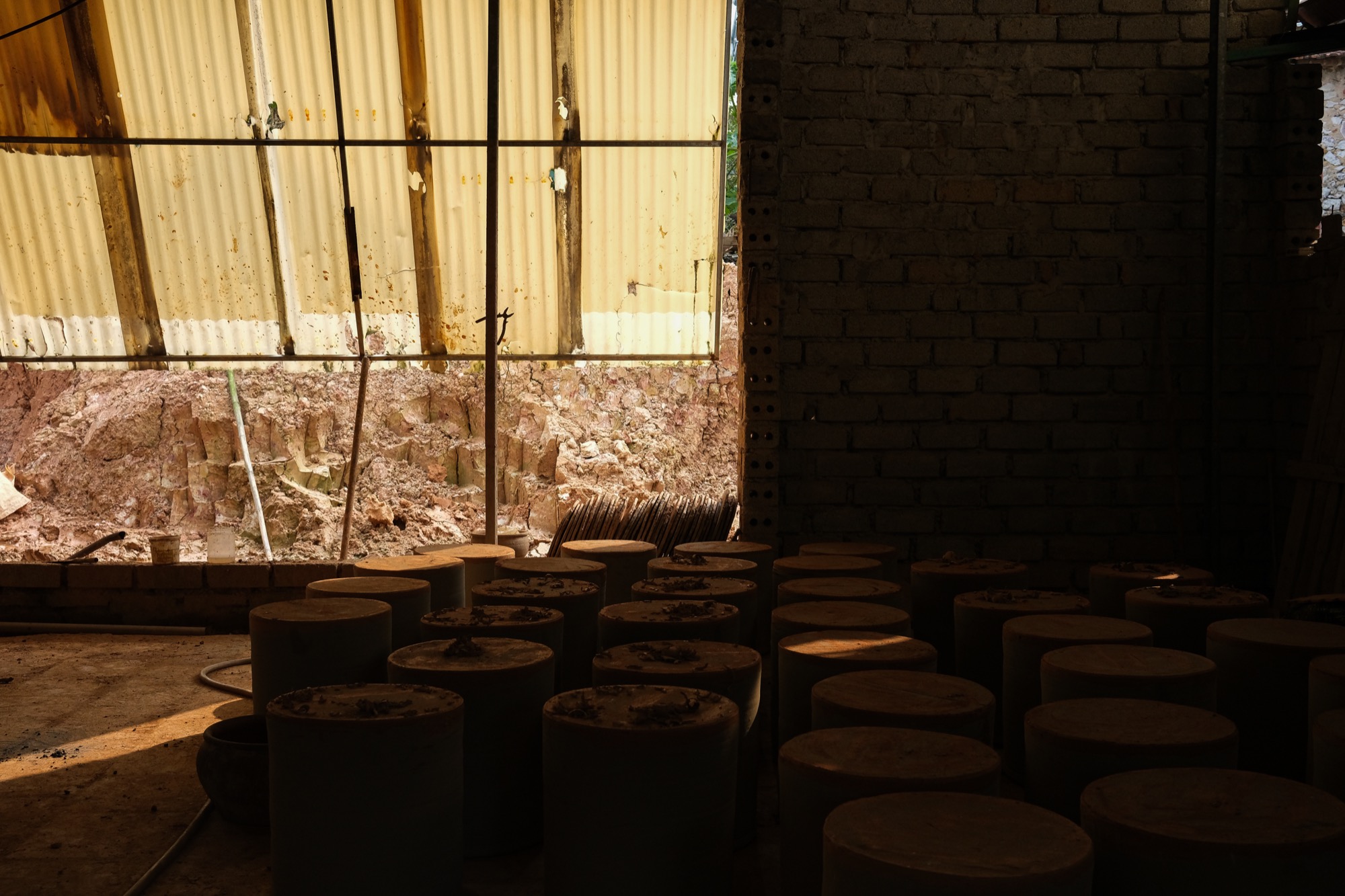
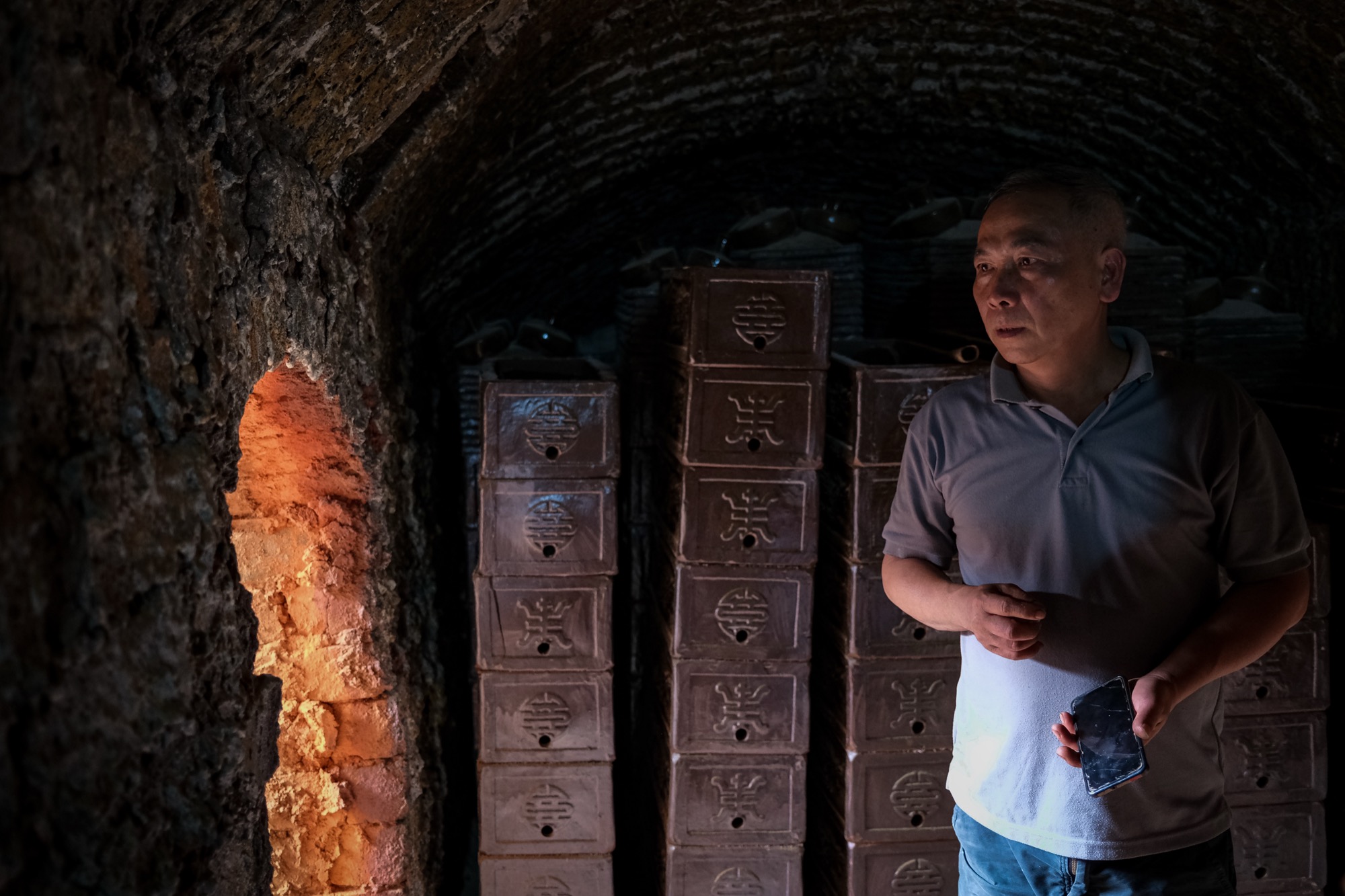
Artisan Pham Van Thang is at work sealing the openings of the lồ, preparing for a new firing, while stacks of dry firewood, neatly arranged into three-meter-high rectangular piles, line the village path leading to his home. Golden sunlight filters through the canopy of trees, casting a warm glow over the mounds of clay behind the workshop.
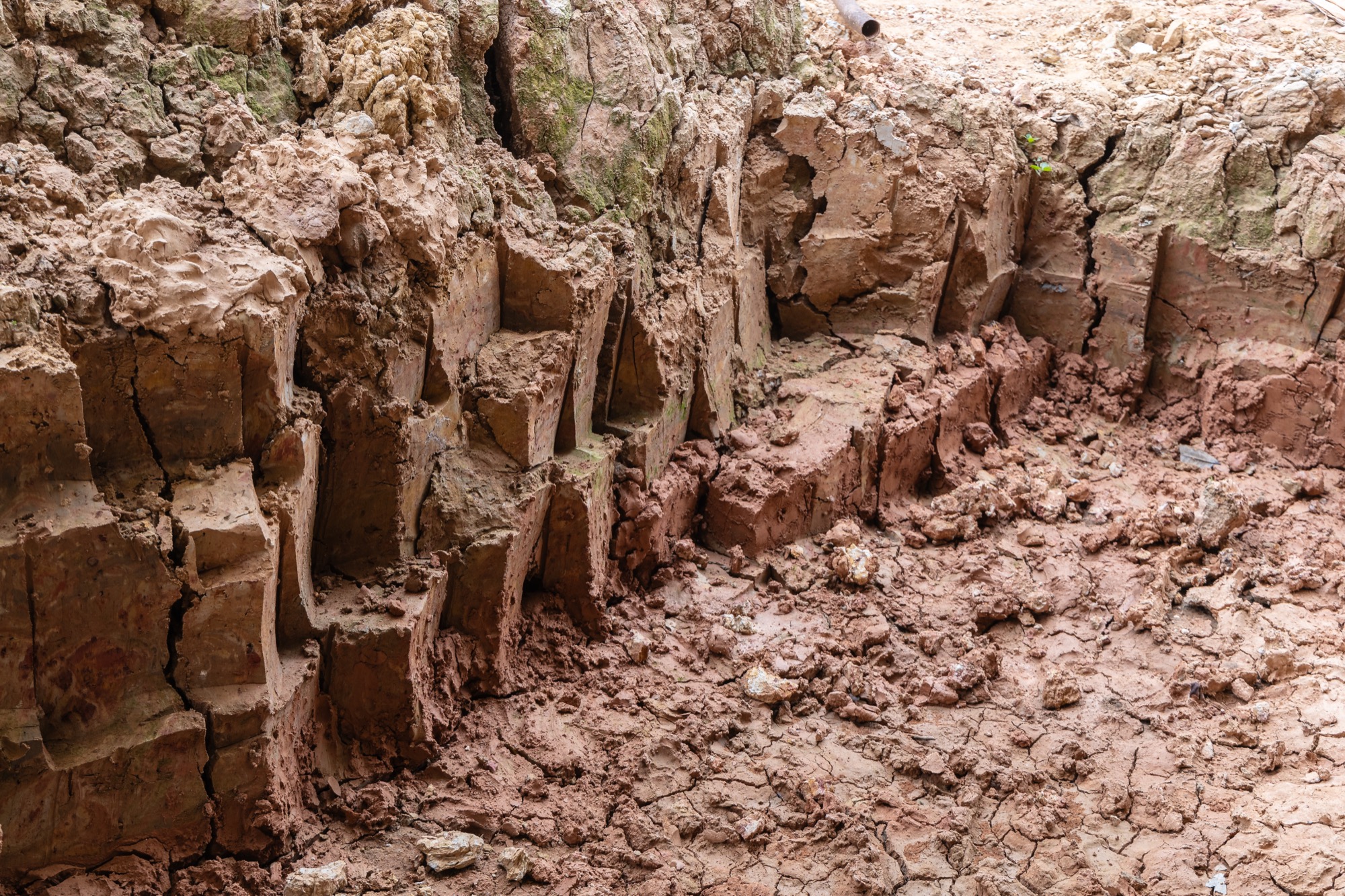
In the past, clay preparation was entirely manual. Large clumps of earth were collected and laid out in the sun until they turned pale, then broken into smaller fragments and soaked in water. Artisans kneaded and refined the clay patiently, working it until it reached the plasticity and smoothness required for shaping. Today, mechanization has eased much of that labor, allowing artisans to focus more of their time and energy on forming.
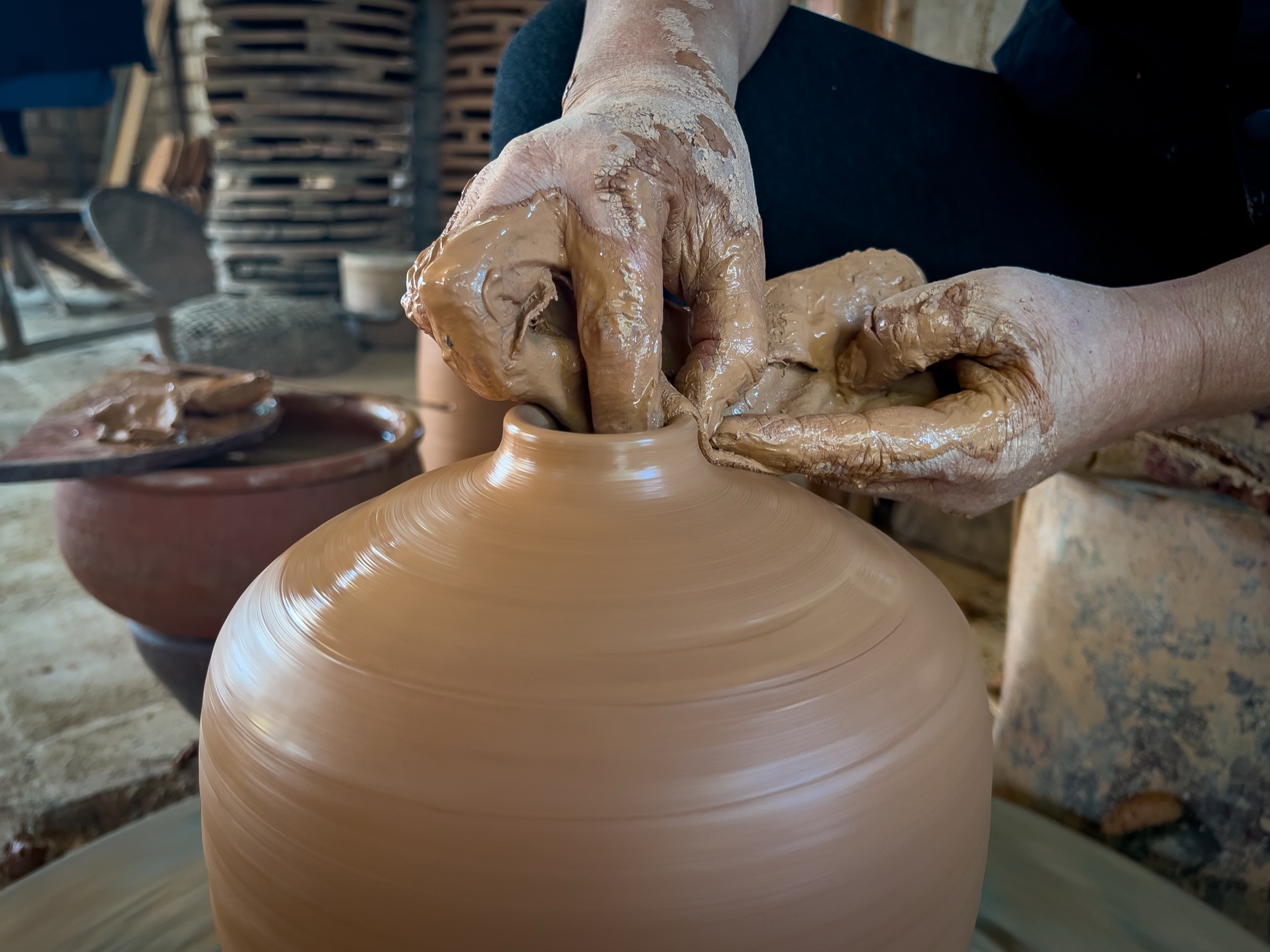
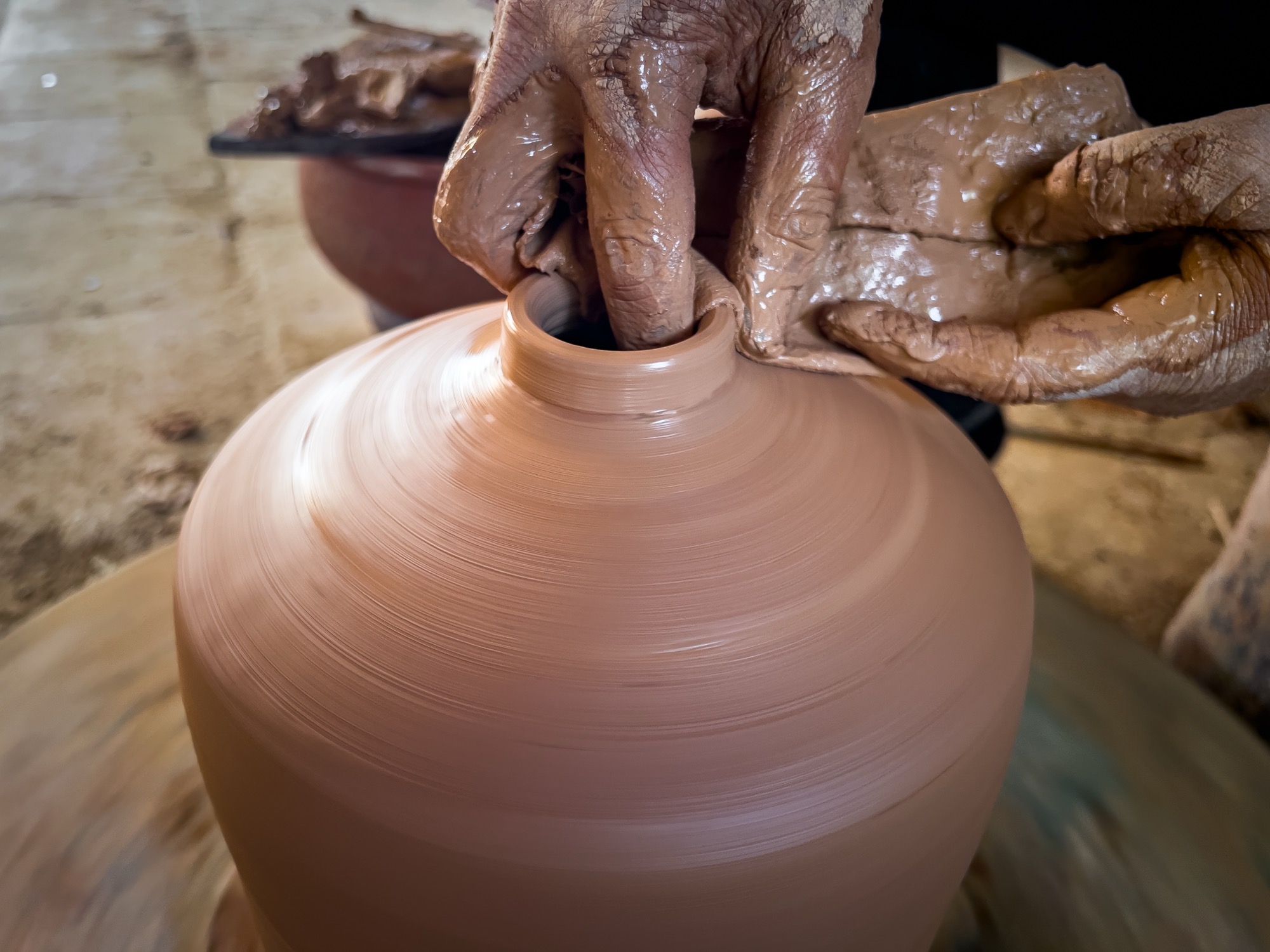
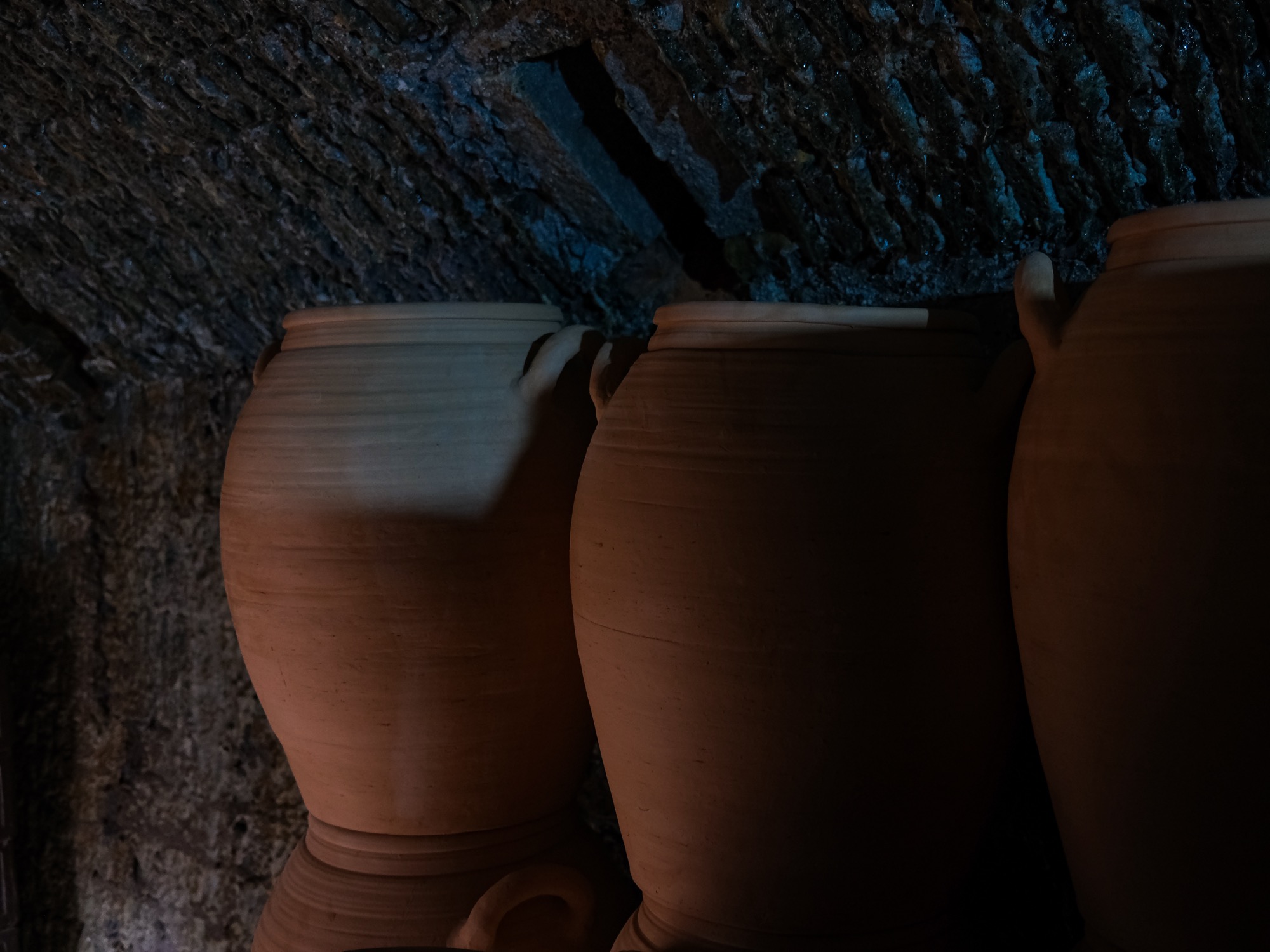
At Phù Lãng, however, the essence of the craft remains in the hands of the potters. Clay is still shaped on spinning wheels, its surfaces imprinted with patterns from carved wooden molds. Each family maintains its own methods of firing, knowledge honed and guarded across generations. Together, these techniques embody the refined essence and distinctive identity of the ancient ceramic tradition of Kinh Bac.
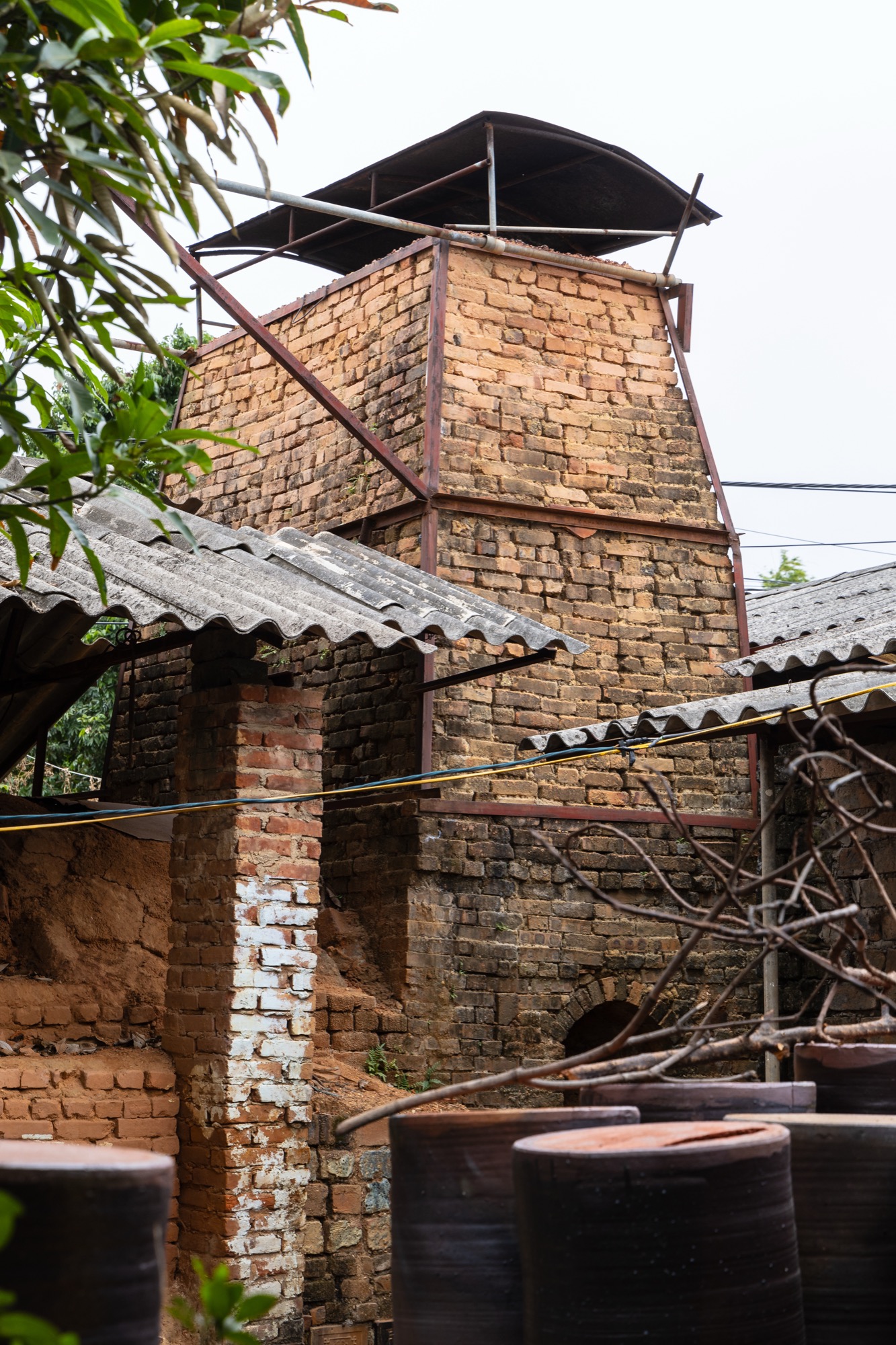
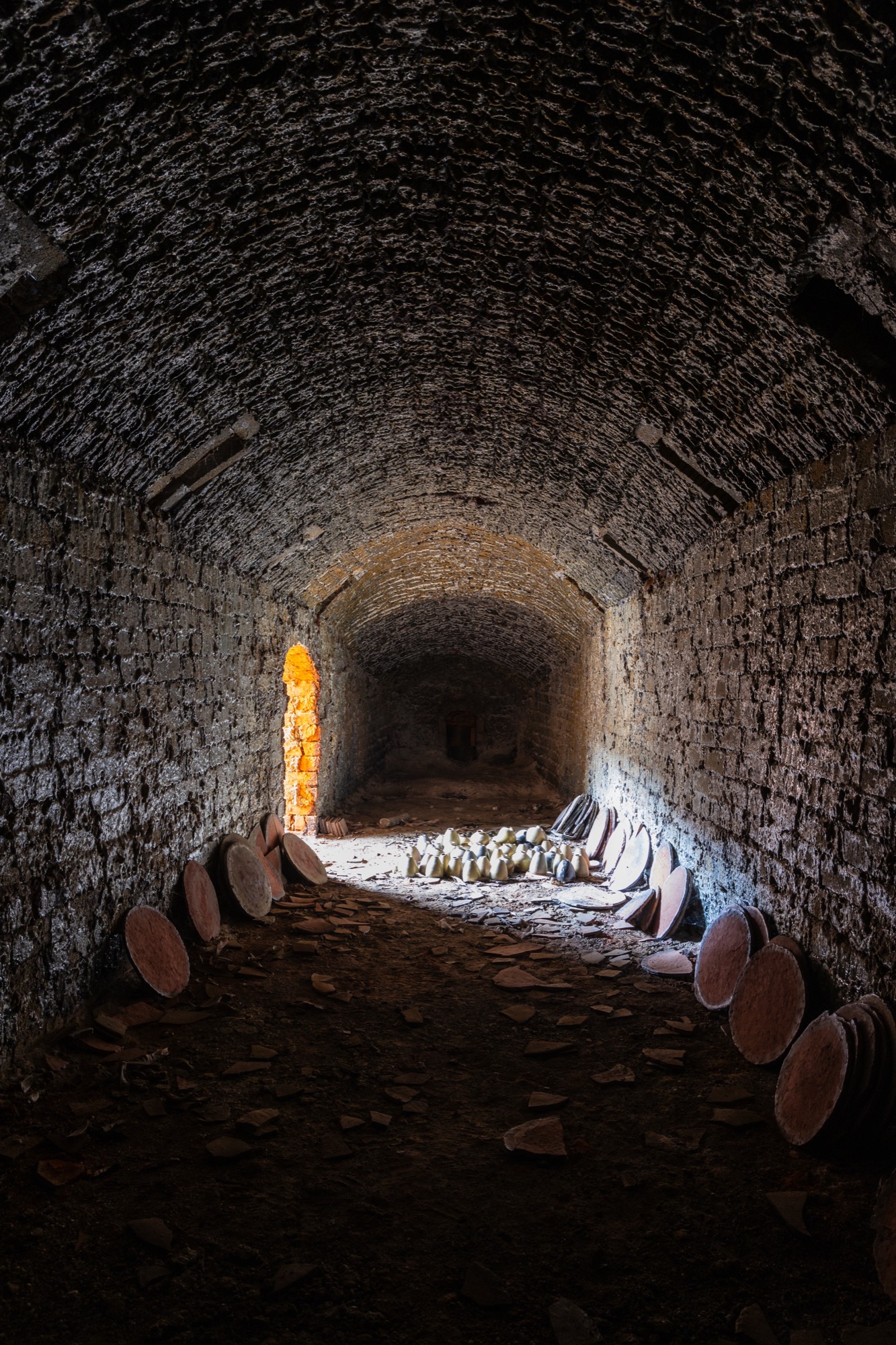
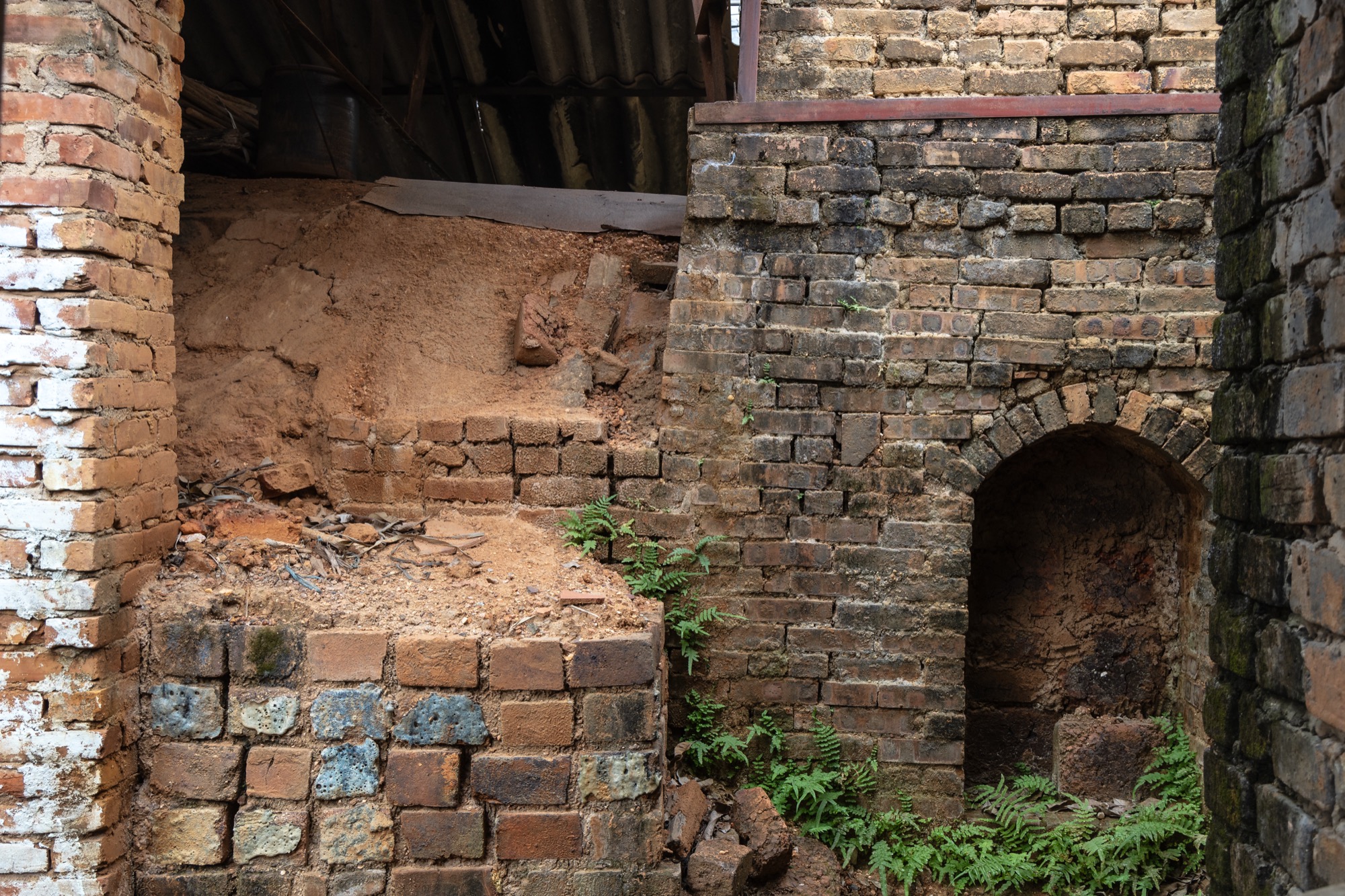
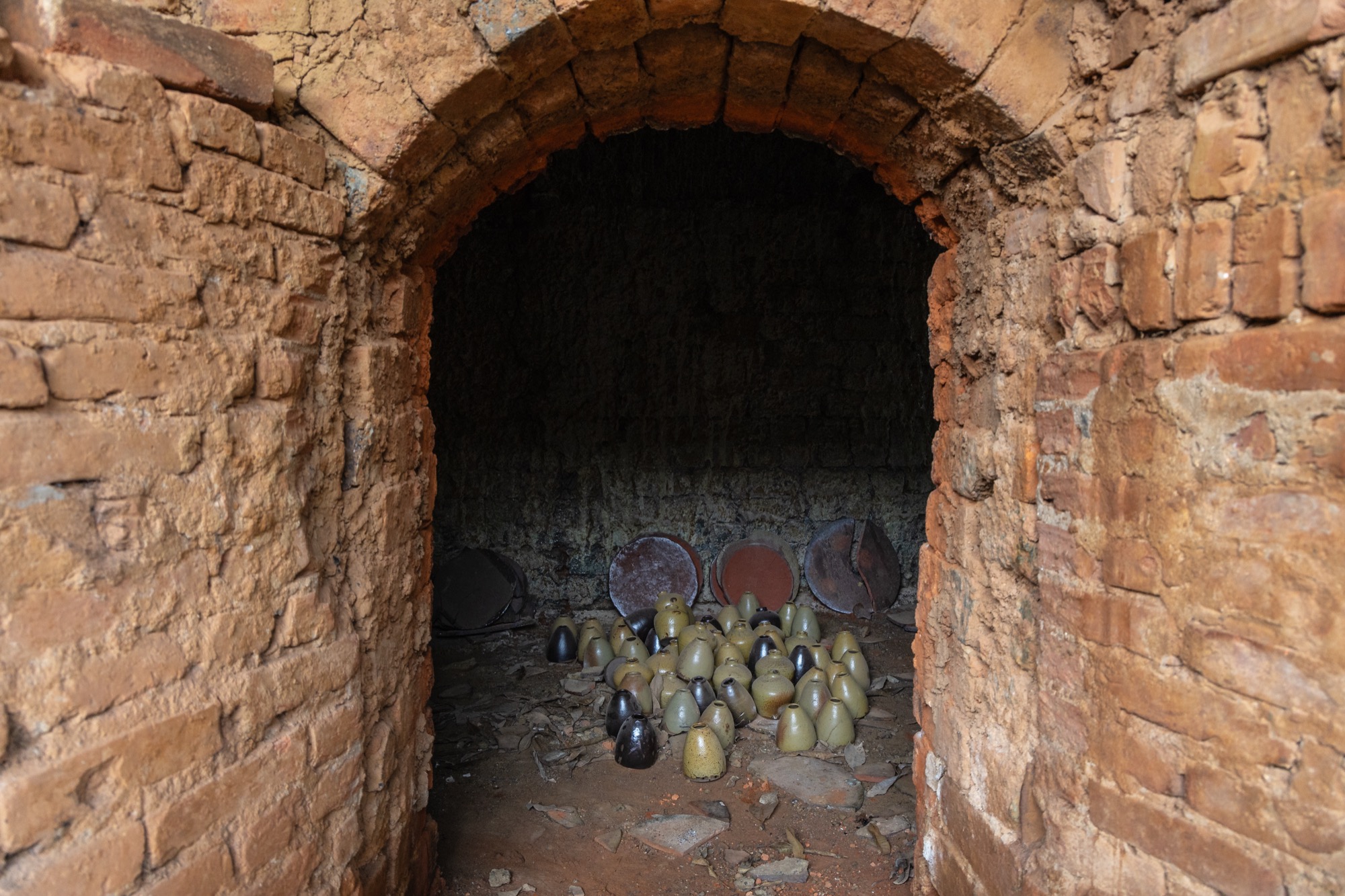
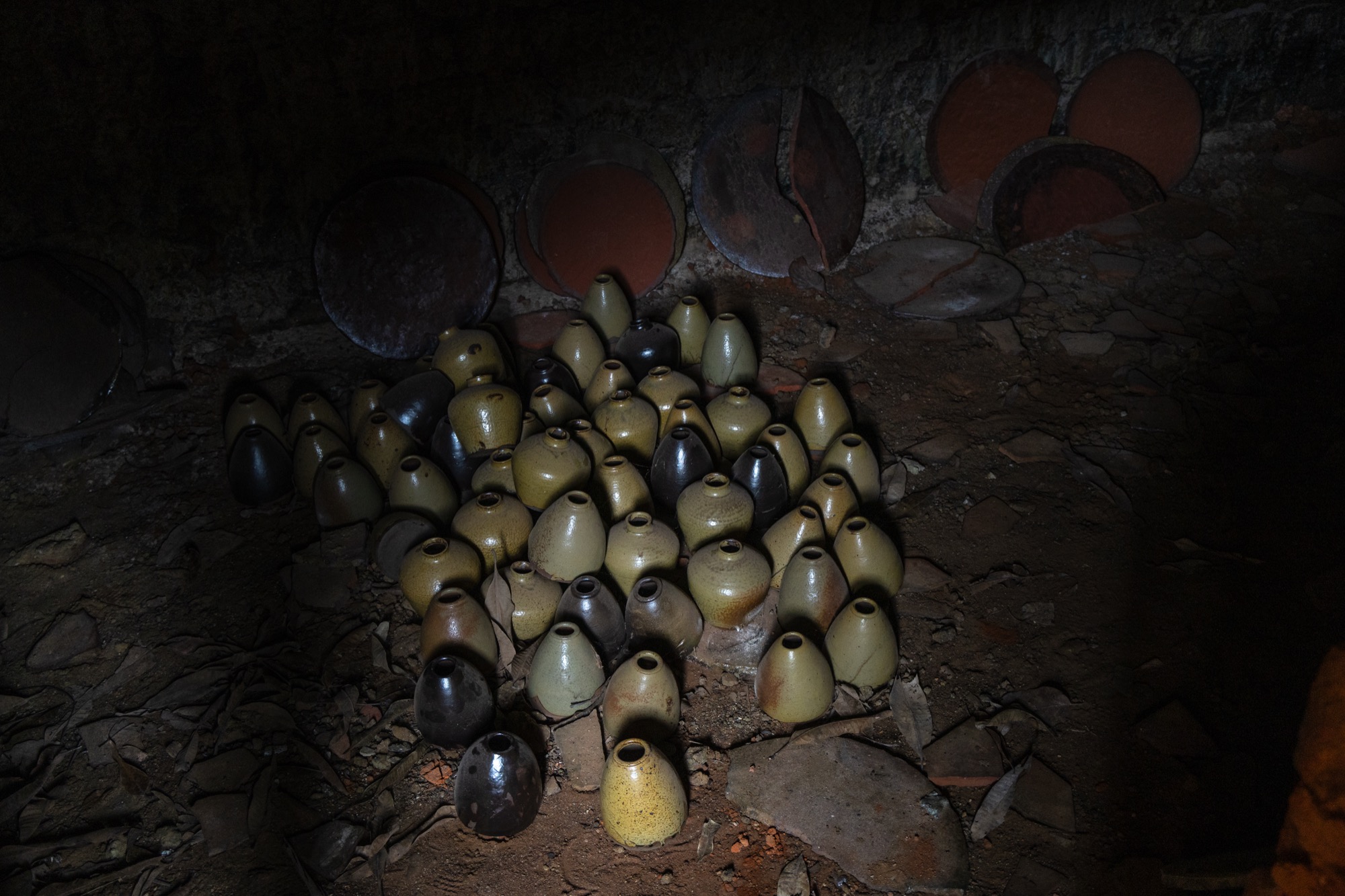
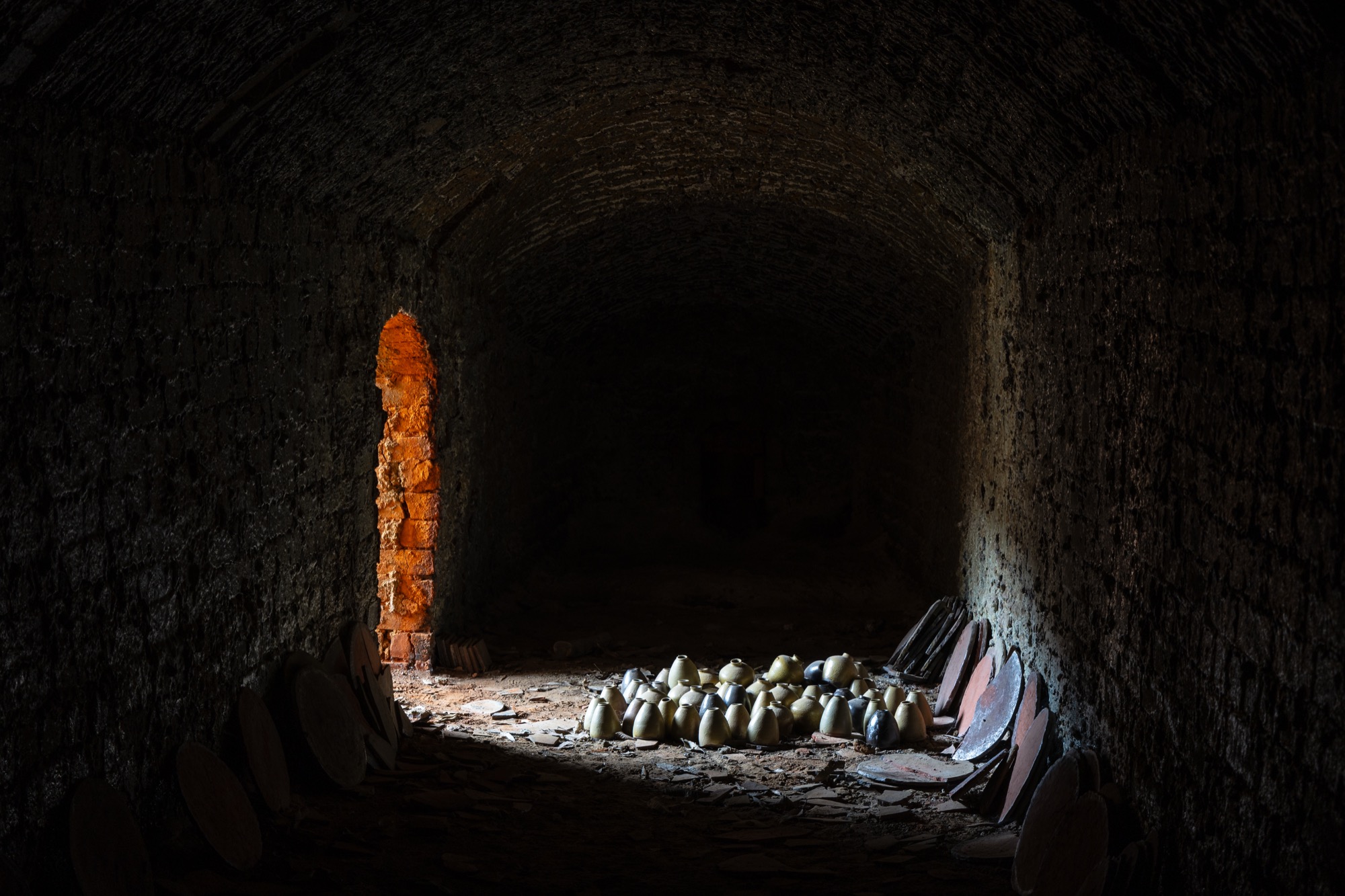
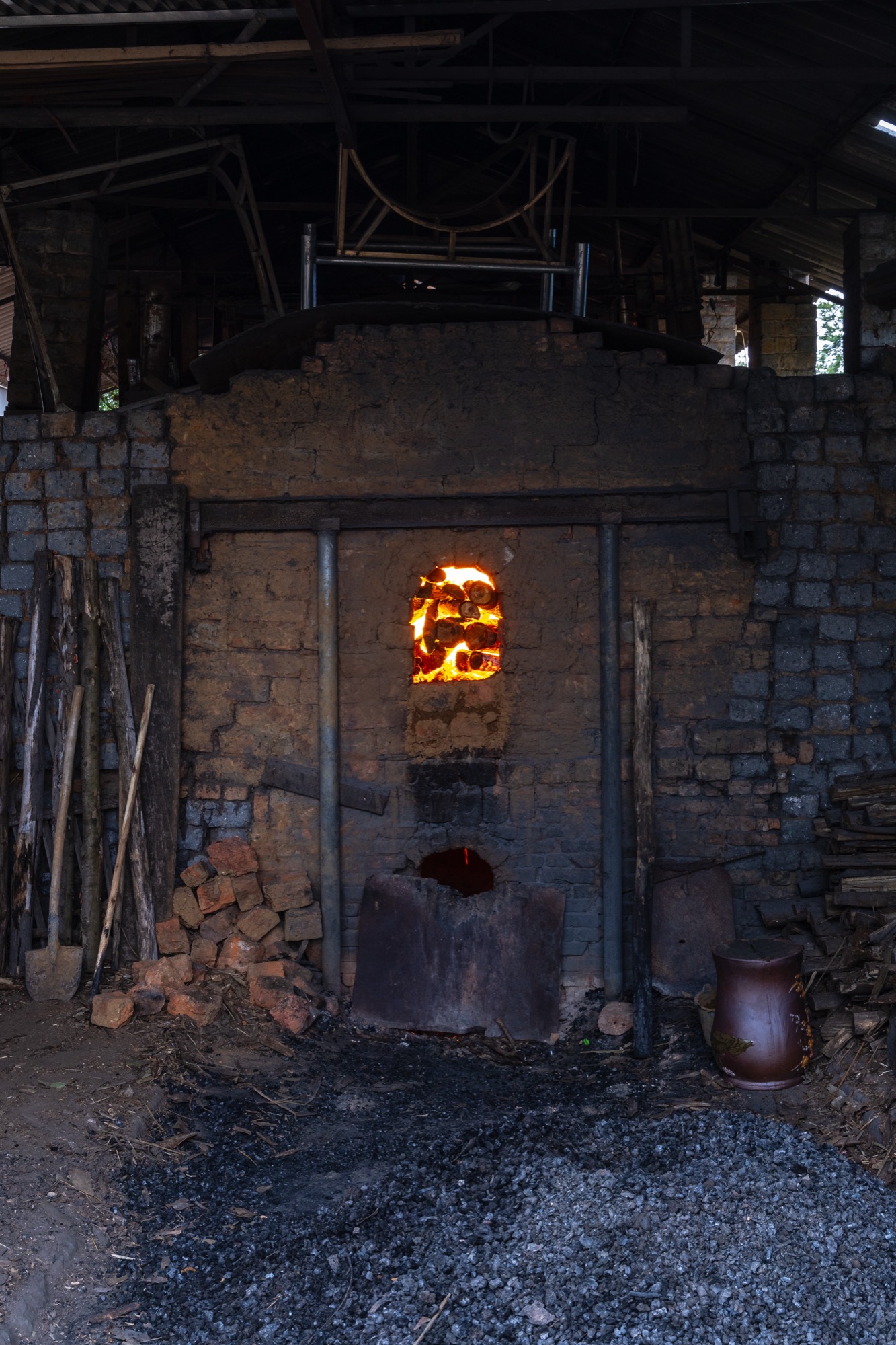
For more than seven centuries, the potters of Phu Lang have remained faithful to the kilns (lồ) built from brick and sheathed in layers of earth. Fed with firewood, the flames impart a rugged, tactile quality to the ceramics, giving them a presence that is at once robust, rustic, and approachable. Each firing is an endurance ritual, lasting three days and three nights, with temperatures soaring to 1,200°C. Families typically assign four members to the task of tending the kiln, rotating shifts every three hours to keep the fire alive.
Like many of Vietnam’s historic pottery villages stretching from North to South, Phu Lang’s artisans produce ceramics primarily for religious rites, domestic use, and decoration. Their wares rarely linger in the village; once complete, they make their way to markets across Northern Vietnam and even further south to the North-Central provinces, carrying with them the distinct imprint of Kinh Bac’s enduring craft tradition.
More photos about Pham Van Thang’s workshop at his house