
Text by DƯƠNG HÀ
Images courtesy of the artist
There are people who enter the arts through grand declarations. They speak of ideals, of journeys toward self-discovery, of transformative moments that altered the course of their lives. Yet there are also those who arrive at art in an entirely different way: without trying to create a remarkable story for themselves, simply continuing to do what they enjoy, staying close to the things that make them feel at ease… until one day, that practice quietly becomes inseparable from who they are.
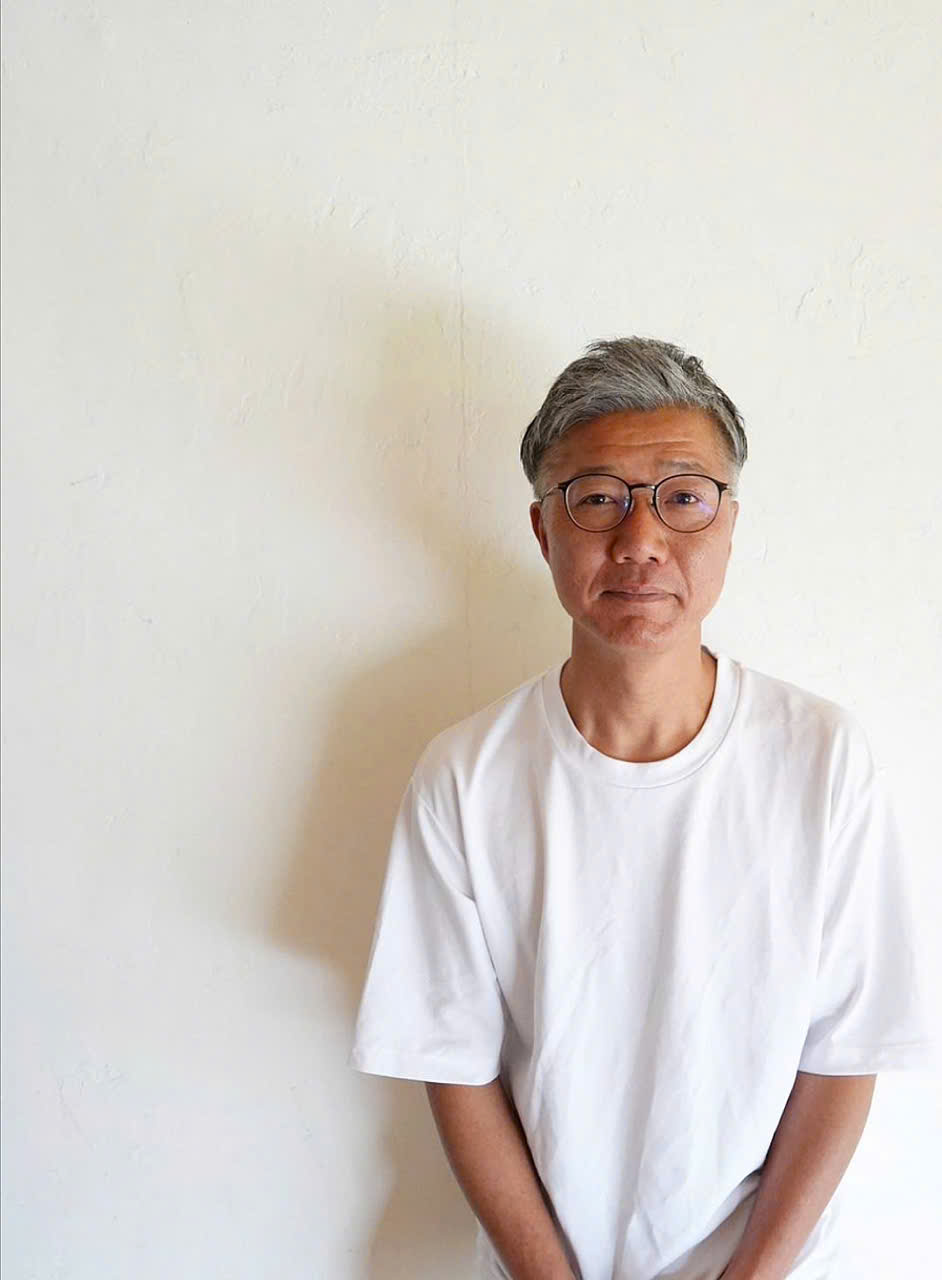
Artisan Saito Kenta belongs to the latter kind.
THE MAN WHO NEVER TRIED TO BECOME AN ARTIST
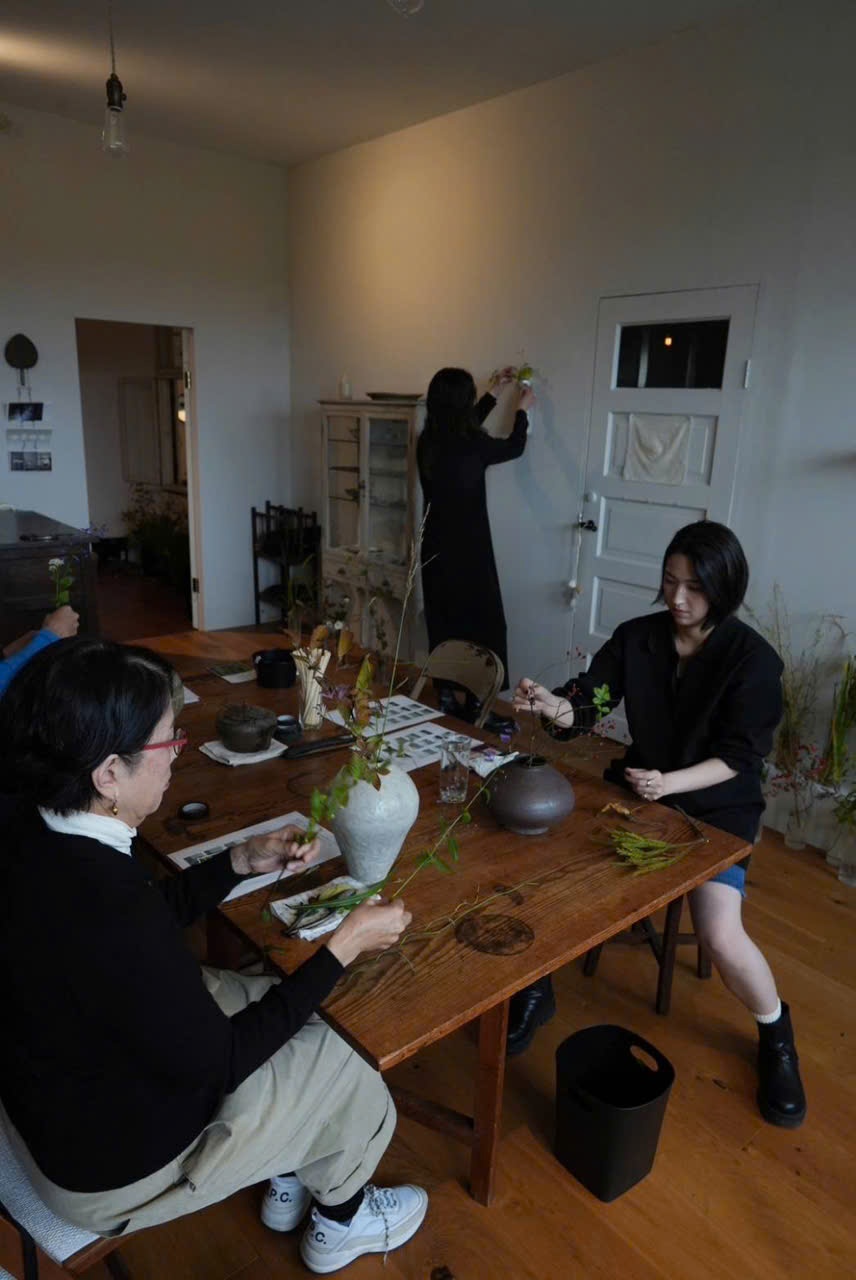
During a conversation before his upcoming trip to Vietnam, where he will lead an ikebana workshop at Yohaku, Saito spoke extensively about plants, about the empty spaces within a flower arrangement, and about the act of cutting away branches and leaves. Yet the more I listened, the more I felt that he did not truly see himself as an “artist” or even an “artisan” in the conventional sense. At the very least, he never described himself through that language.
When asked about the philosophies or ideas that shaped him, he smiled and almost brushed the question aside. “There’s no particular philosophy,” he replied.
For an interview about art, the answer sounded surprisingly plain. Yet perhaps that very simplicity is what defines him most clearly.
AN ORDINARY SCENERY OF NATURE
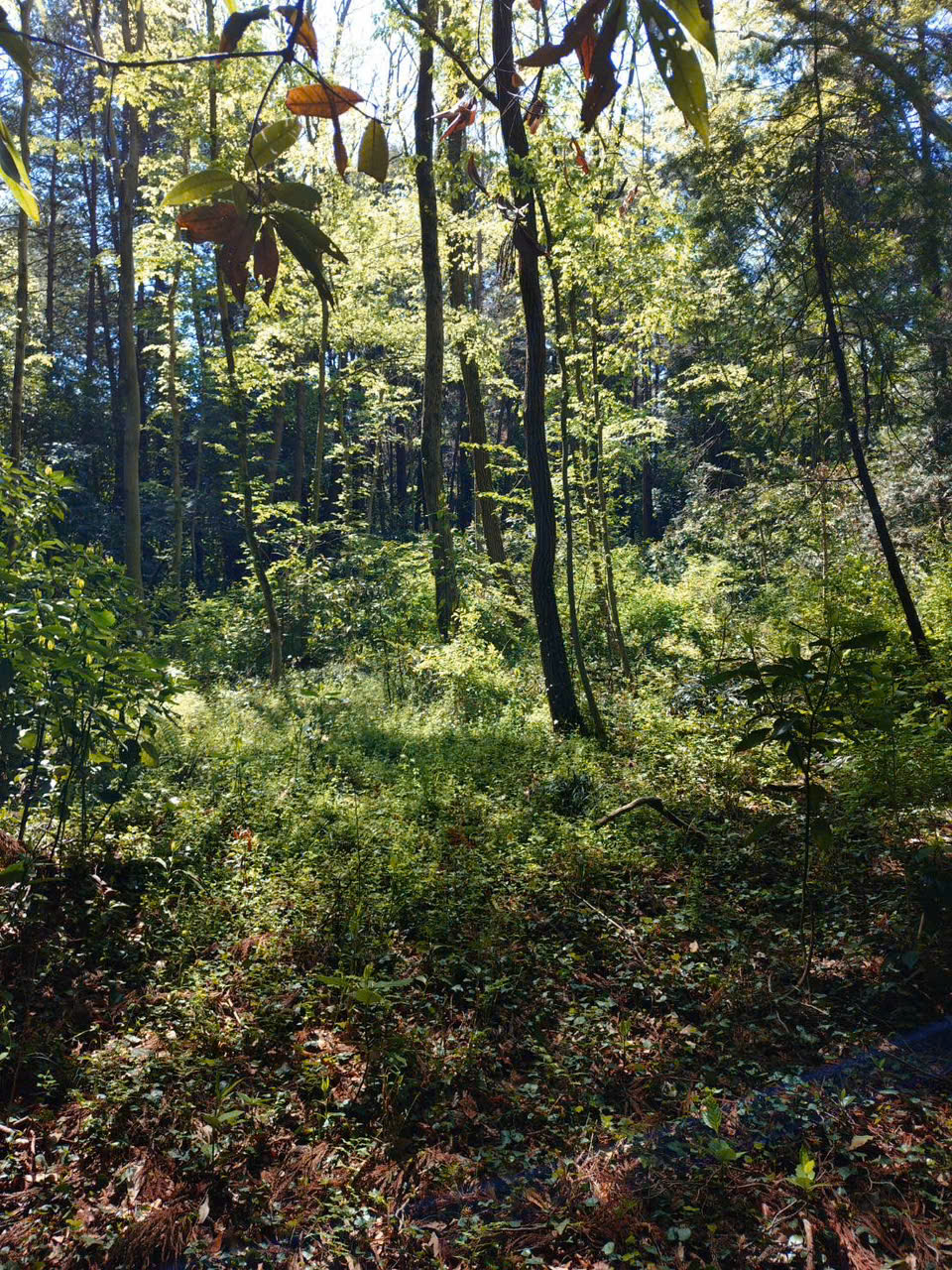
Saito currently lives in the city of Koga, in Ibaraki Prefecture, where he was also raised. When speaking about his hometown, he does not evoke cultural symbols or nostalgic memories. Instead, he describes it in the simplest terms: a place surrounded by nature, with hills stretching behind the house, somewhere genuinely quiet.
The way he speaks makes nature there feel less like a spectacle to admire and more like air or light, something ordinary and ever-present since childhood. That environment quietly shaped his direct and instinctive relationship with the natural world.
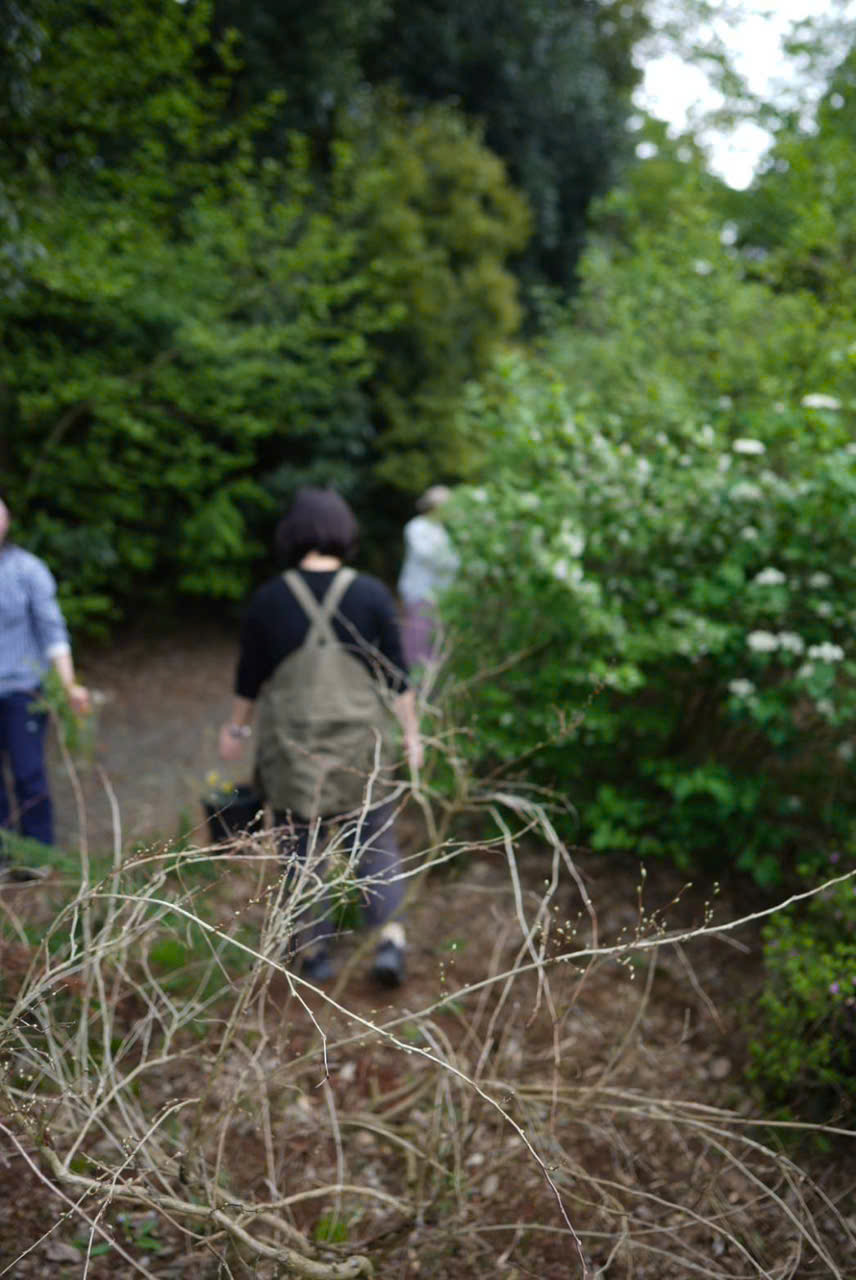
There was a period when Saito traveled across many regions of Japan, taking on various forms of agricultural work. He remembers those years less as a “journey of experience” and more as a time spent living closely with nature. Each landscape revealed a different atmosphere, and the farther he traveled, the more he realized how diverse Japan’s natural environments truly were.
What is striking, however, is that he never recounts those travels as a search for himself.
When I asked whether he had been looking for something that might define his future, he almost laughed. “Not at all. Nothing was clear back then. I was simply young and curious. I liked moving from place to place.” There was no feeling that travel would somehow reveal the answers to life, nor any belief that destiny awaited in a distant location. It was simply a matter of moving toward what interested him. Perhaps precisely because he was not seeking anything monumental, those experiences settled within him in the most natural way possible.
FROM GROWING FLOWERS TO ARRANGING THEM
Saito arrived at ikebana in much the same way.
His original work centered on cultivating plants and producing seedlings. Later, as he began thinking about becoming independent, he asked himself whether there might be another path connected to plants beyond what he had already been doing. Among many possibilities, ikebana was simply the one he felt drawn to incorporate into his work.
That was all.
There was no sudden revelation, no dramatic sense of discovering a calling. Perhaps because he entered ikebana without romanticizing it, Saito has remained with the practice for such a long time.
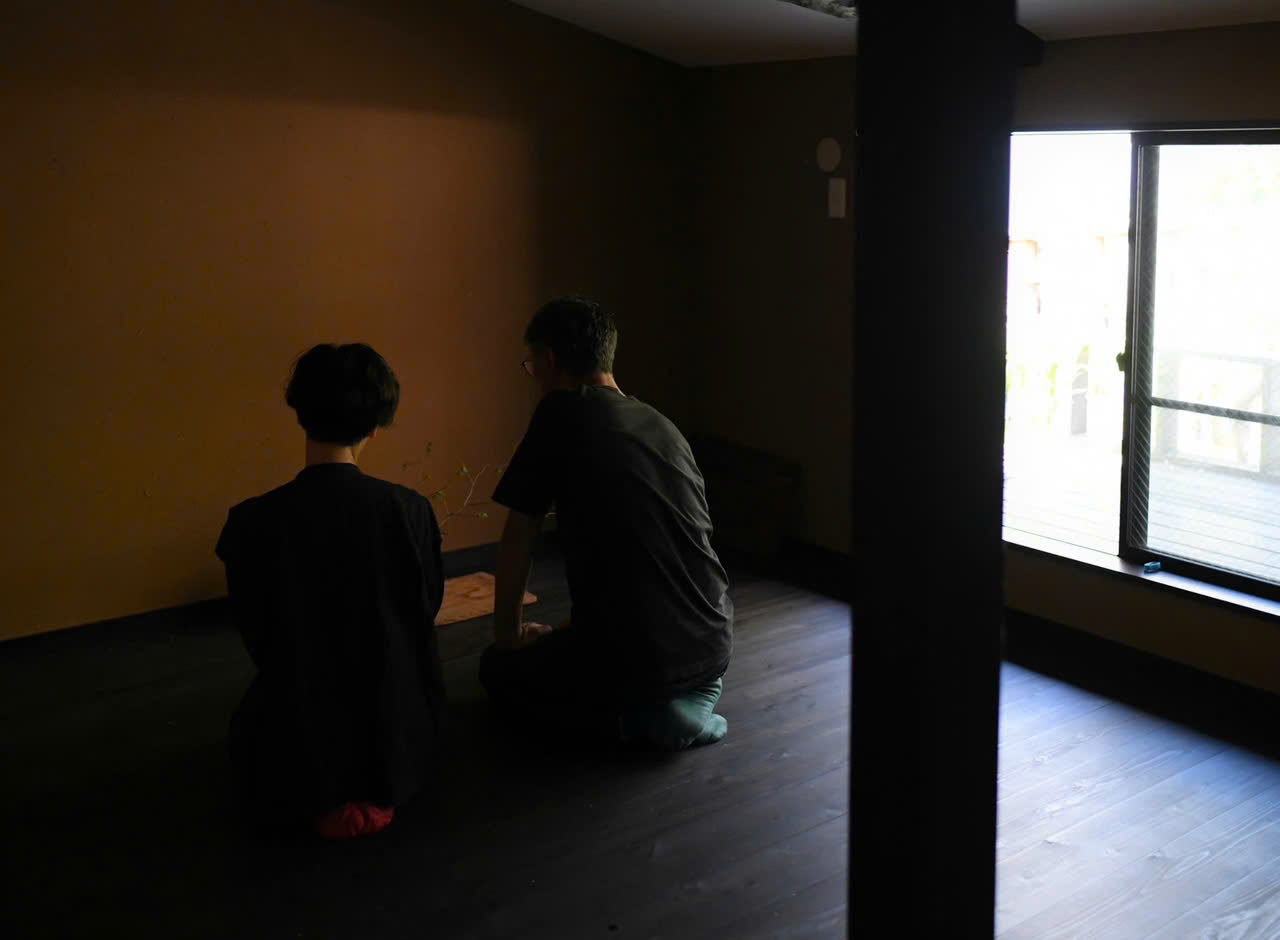
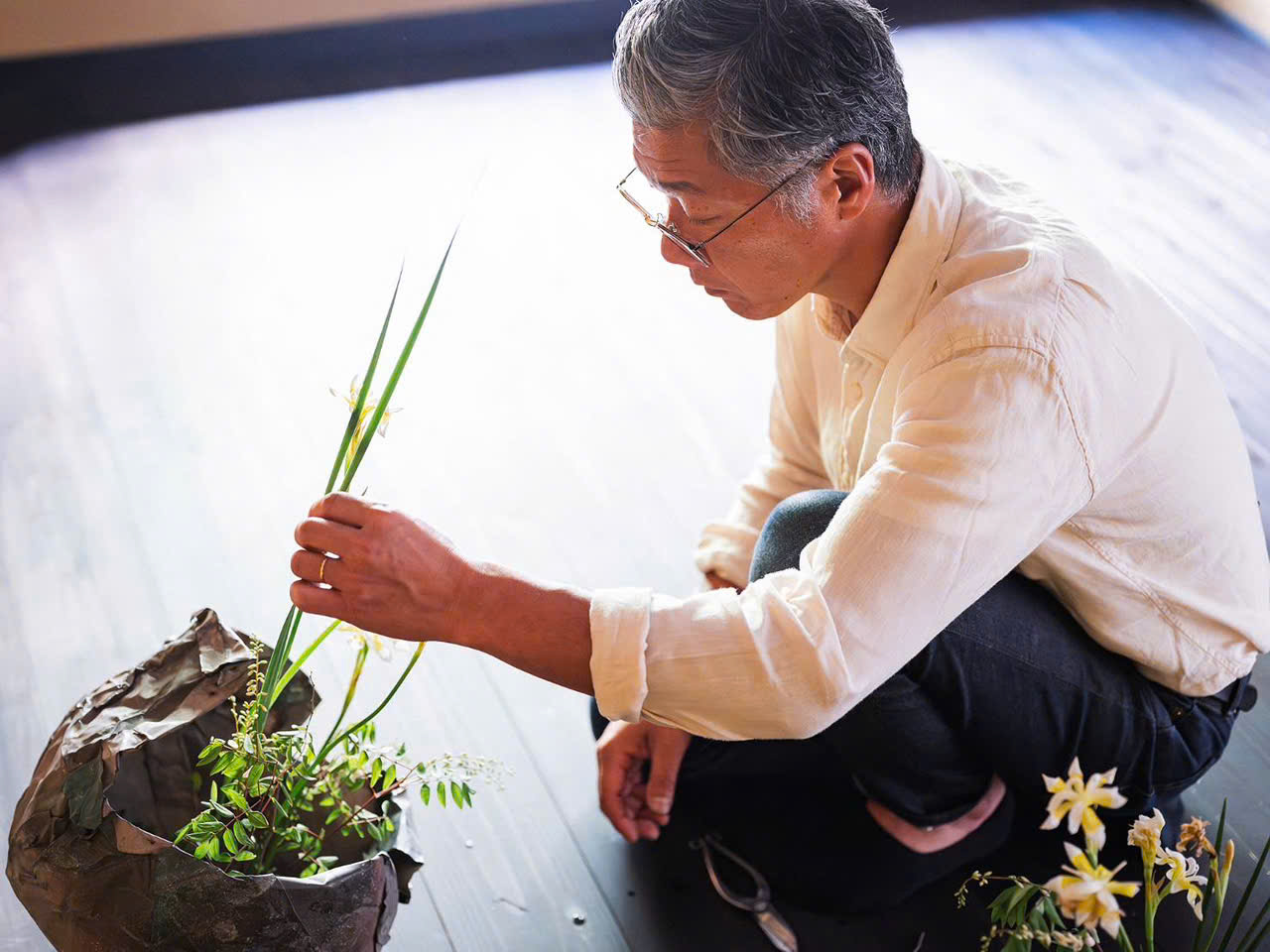
When speaking about pursuing something one loves, he never uses words like “passion” or “dream.” Instead, he talks about enduring difficult periods while continuing to practice and devote himself to ikebana. Listening to him describe his work, one senses that ikebana, for him, is not a means of expressing emotion, asserting identity, or projecting thought. It resembles, more than anything else, a process of careful observation and adjustment.
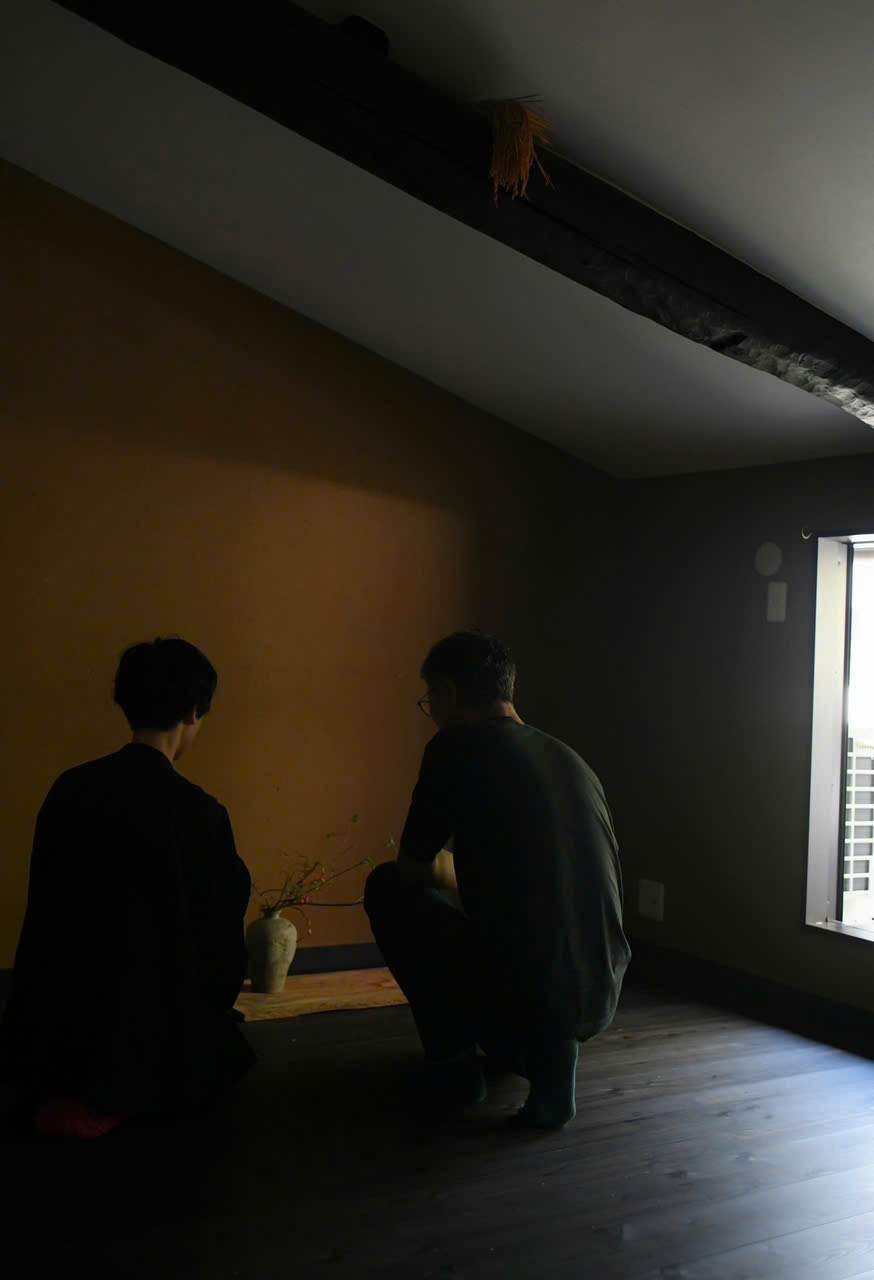
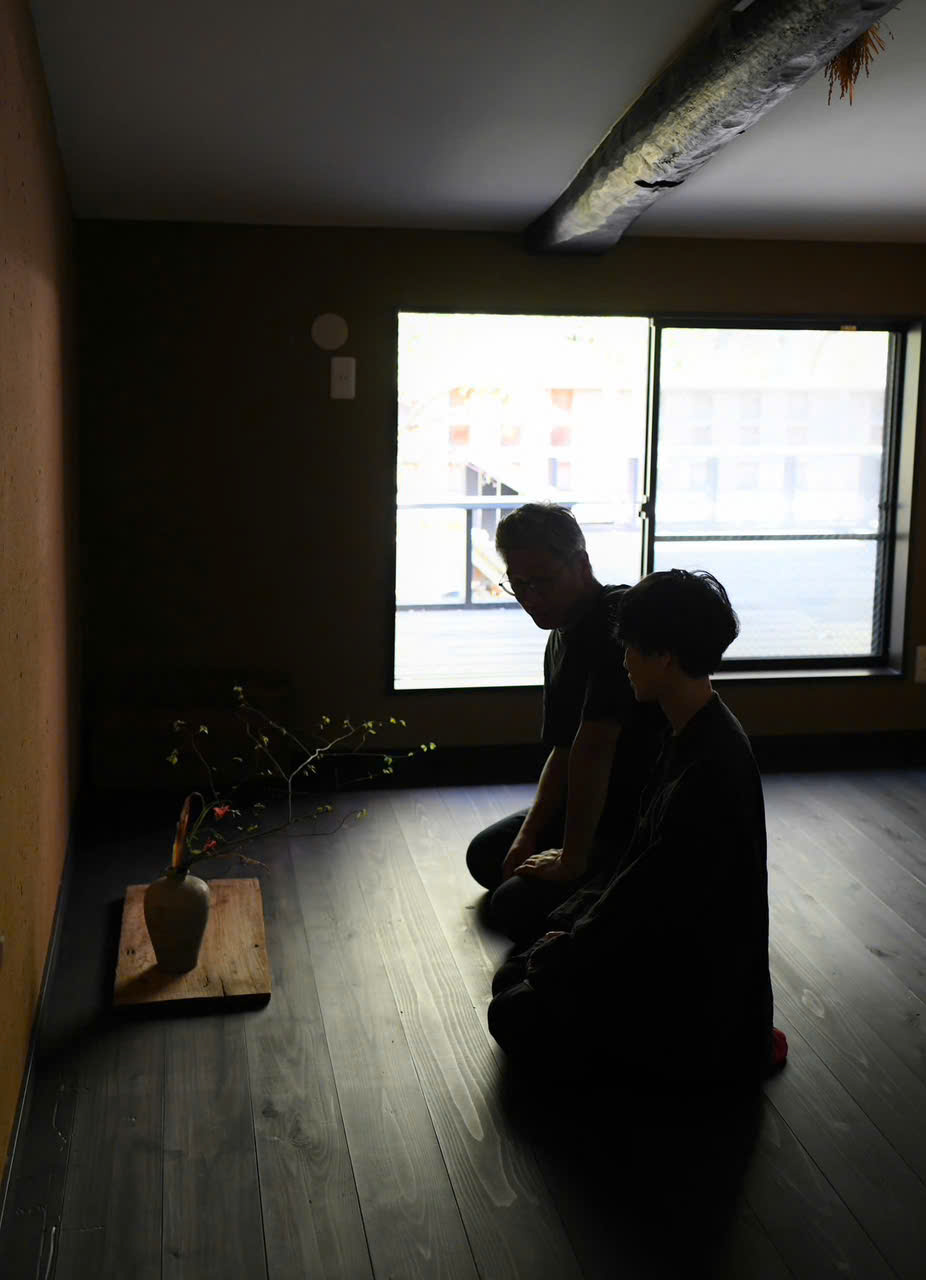
Within Japanese flower arrangement, there is always a relationship between the plant and the vessel. According to Saito, every branch must “fit” its container. To complete an arrangement, one must first observe closely what lies before them and consider how each element can exist together in the most appropriate way. If the vase is chosen first, one must think carefully about what kind of plant belongs there. If the flowers come first, then the question becomes where and how they should be placed so that their natural beauty can emerge most clearly. Everything is a process of adjustment and adaptation. He speaks about flowers without ornament or theatricality, yet the more one listens, the more a profound concentration becomes apparent beneath his words.
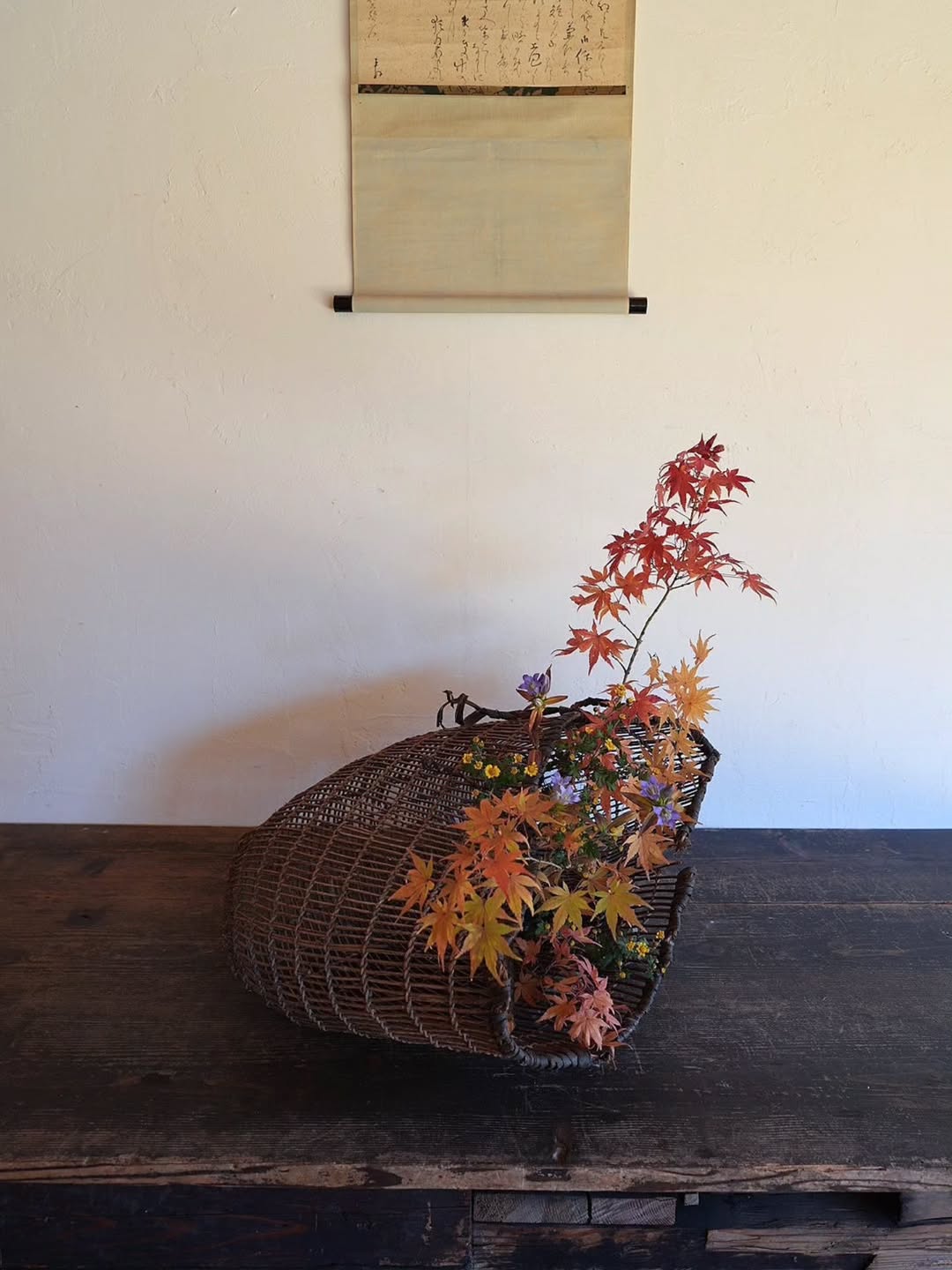
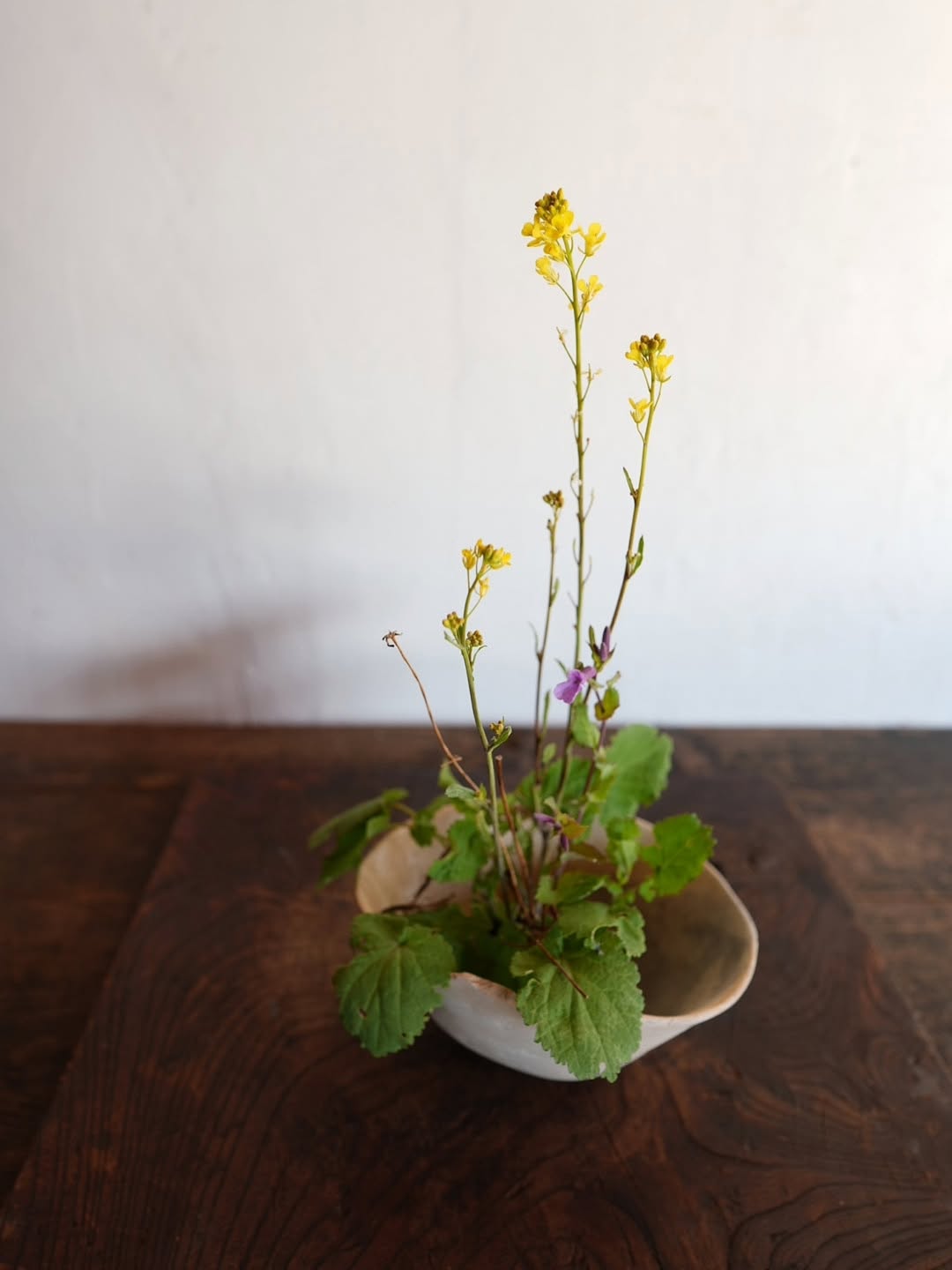
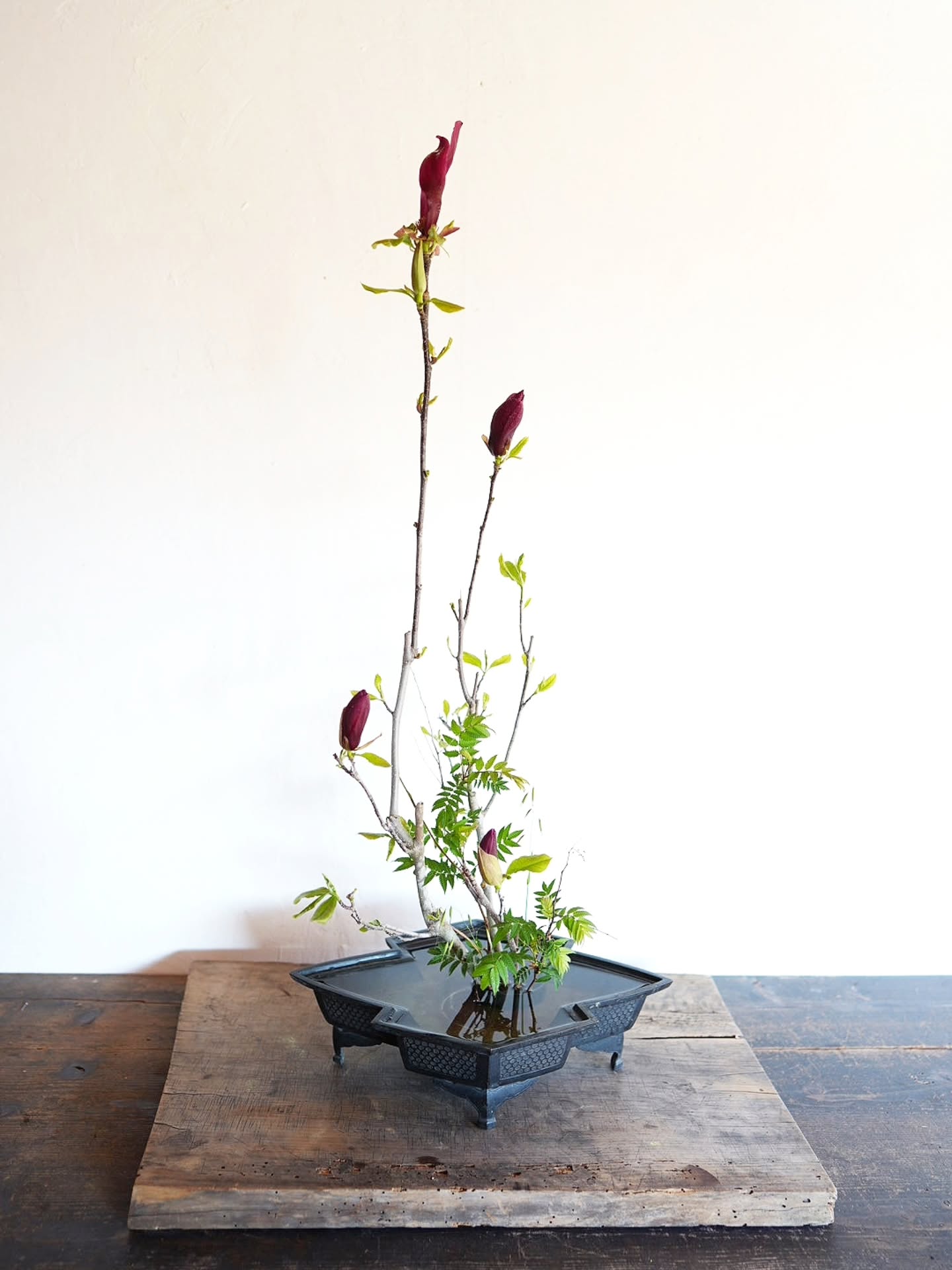
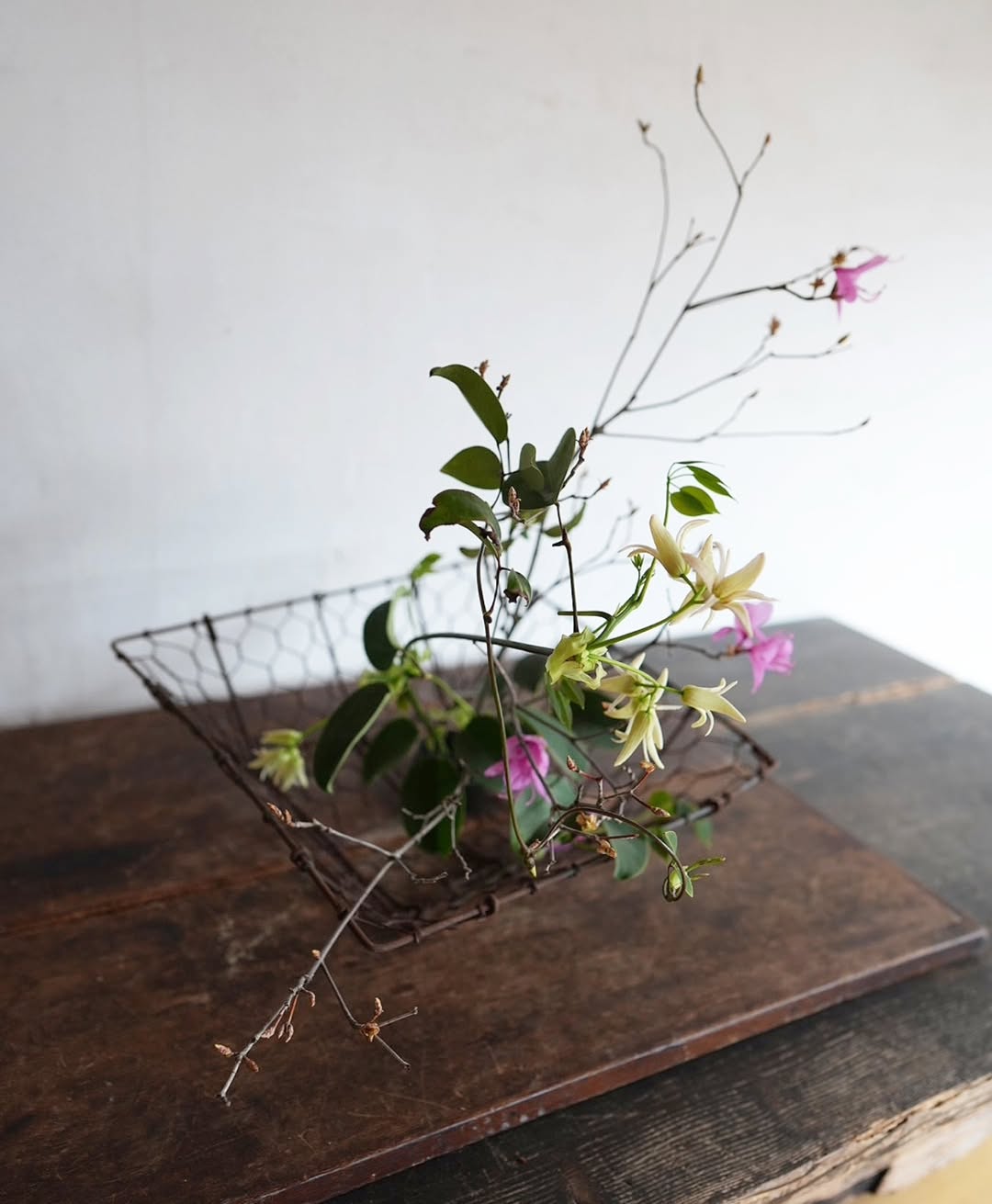
Saito speaks especially fondly of nageirebana, the naturalistic style of Japanese flower arrangement. He does not belong strictly to any formal school of ikebana; instead, he uses nageirebana as a foundation from which to develop in multiple directions. What interests him is not rigid adherence to a predefined system of rules, but rather the ability to respond flexibly to each plant, each vessel, and each space.
THE SPACE BETWEEN
One subject lingered throughout our conversation: the act of “cutting away.” Many beginners in ikebana are afraid of cutting too much. They want to preserve as many branches and leaves as possible, fearing that once something is removed, there will not be enough left.
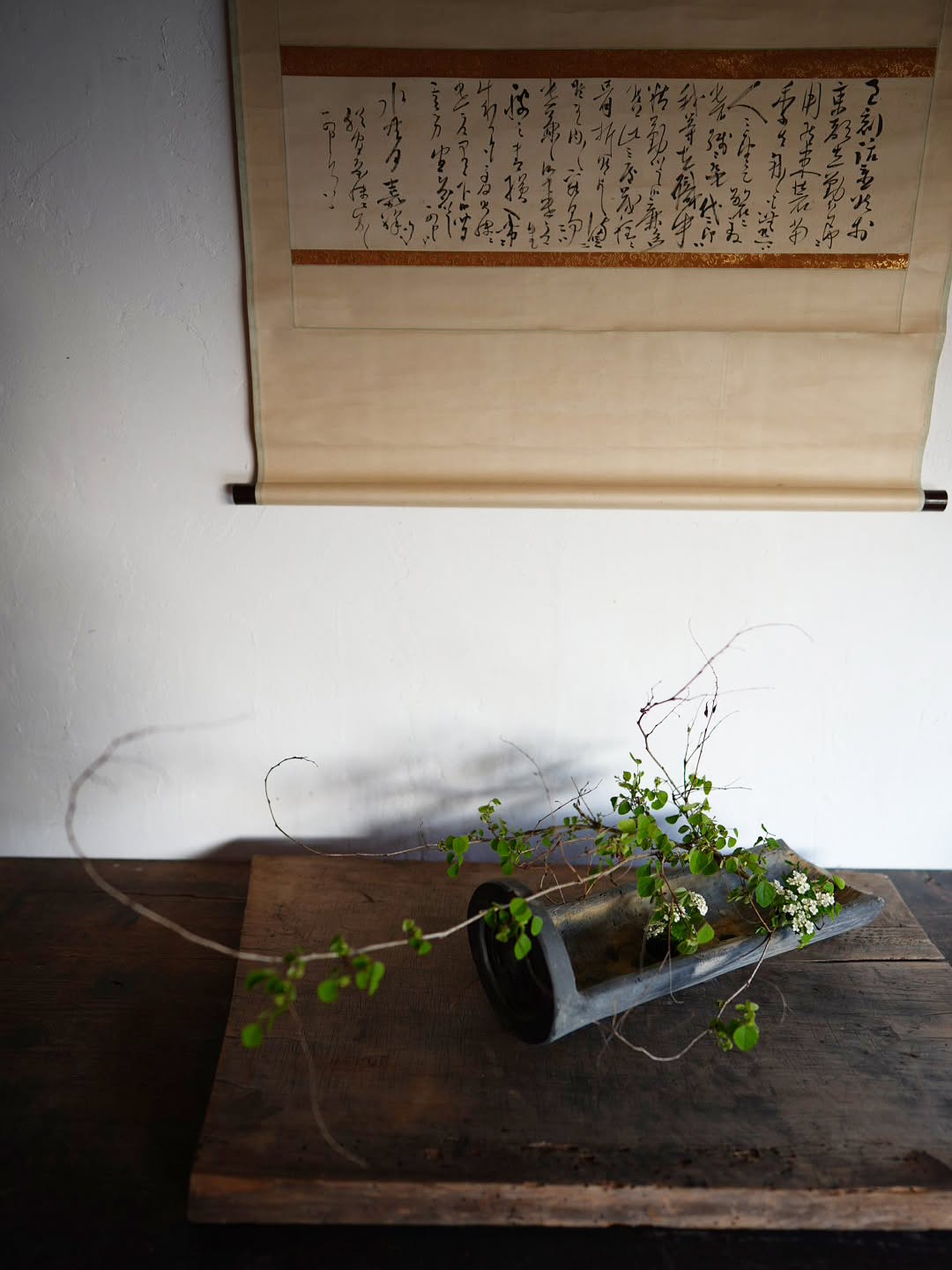
For Saito, however, what matters most in ikebana often lies in the emptiness created after something has been cut away.
He refers to the Japanese aesthetic concept of ma – the interval or spatial pause that exists between objects. In his view, placing many beautiful elements into a vase does not automatically create a beautiful arrangement. What matters is the space between the plants, because it is this invisible interval that generates depth, rhythm, and subtle relationships between lines and forms.
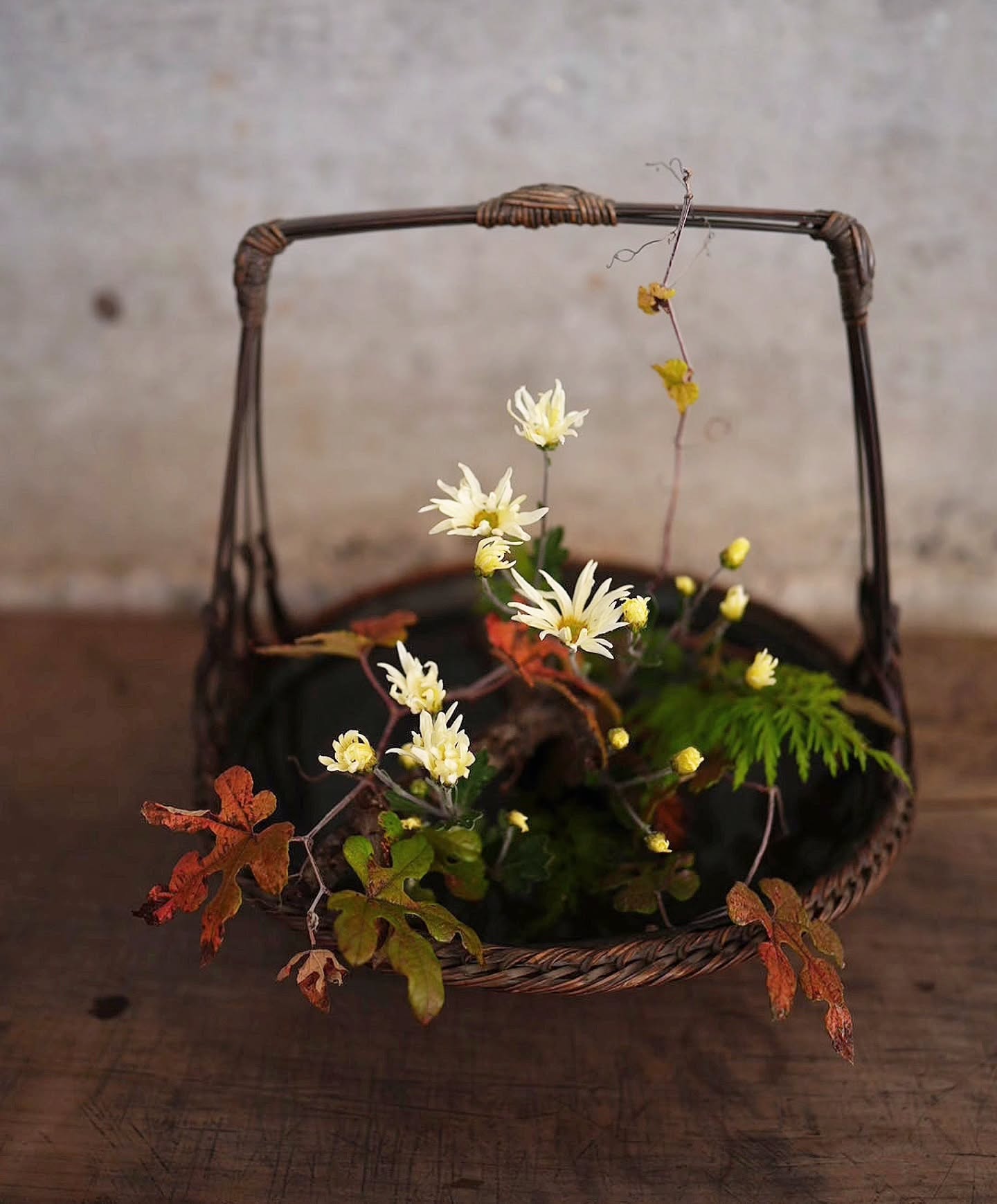
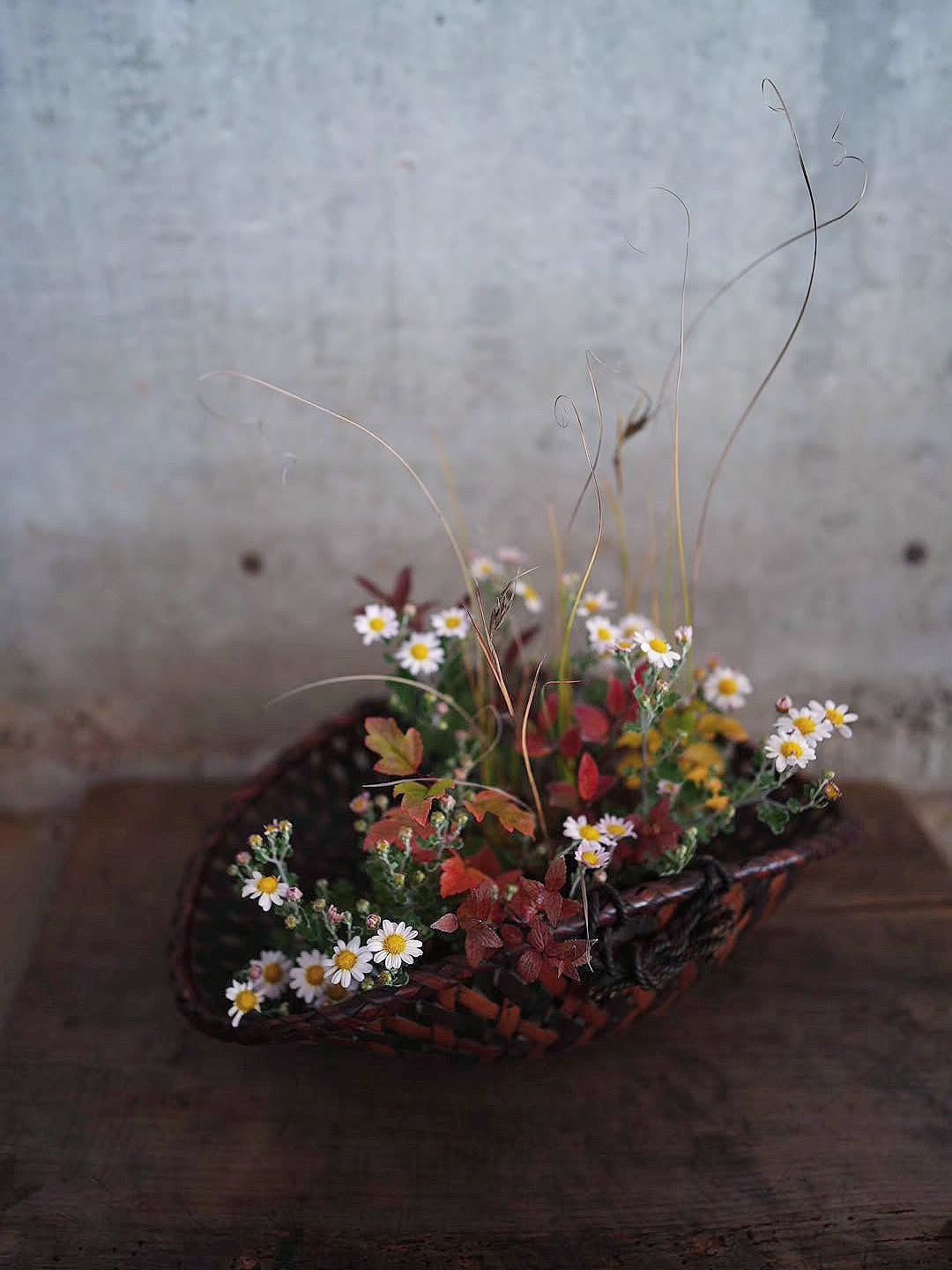
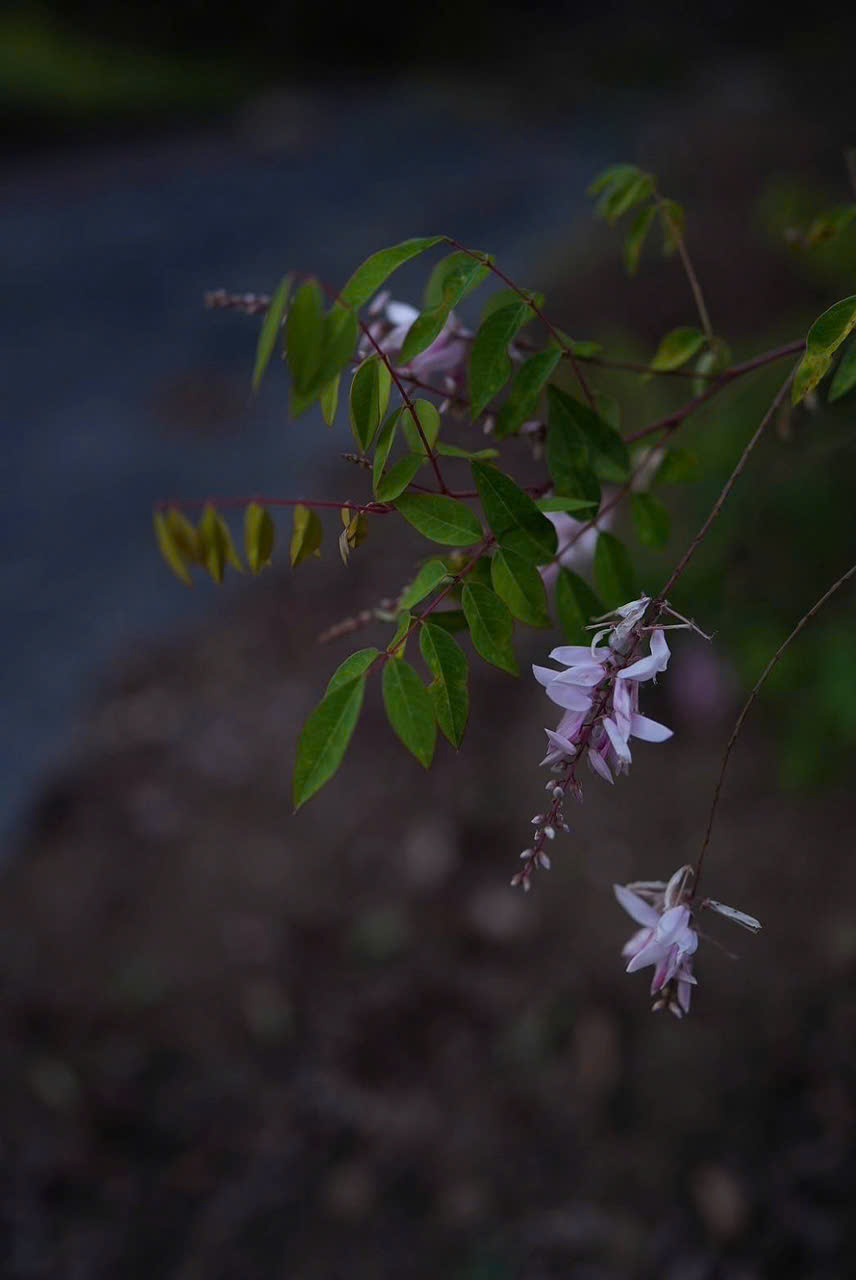
Saito cultivates many of the plants he uses in his own ikebana practice. According to him, the greatest difference between homegrown flowers and those purchased from a florist lies in witnessing their entire lifecycle. Flowers sold commercially are usually cut at their peak moment of beauty. But when growing them himself, he sees everything: the sowing of seeds, the first sprouts, the gradual growth, the emergence of buds, the bloom, and eventually the fading away. Because he has witnessed that full process, he says he can always sense the “passage of time” within the plants when arranging them.
NOT IMPOSING JAPANESE AESTHETIC ON VIETNAM
When speaking about his upcoming event in Vietnam, Saito explained that the most meaningful aspect of pursuing ikebana is not the finished work or any form of recognition, but the opportunity to meet people through flowers.
Through ikebana, he has traveled to many places and spoken with people whose languages and living environments are entirely different from his own.
Saito has no desire to “impose Japanese aesthetic on Vietnam” in an imposed or prescriptive way. On the contrary, he hopes to see Vietnamese participants working with the grasses, plants, and flowers that already belong to Vietnam’s climate and cultural landscape. Technically, he will still share aspects of traditional Japanese flower arrangement. Yet what matters more to him is practicing in a way that respects the land from which the materials emerge.
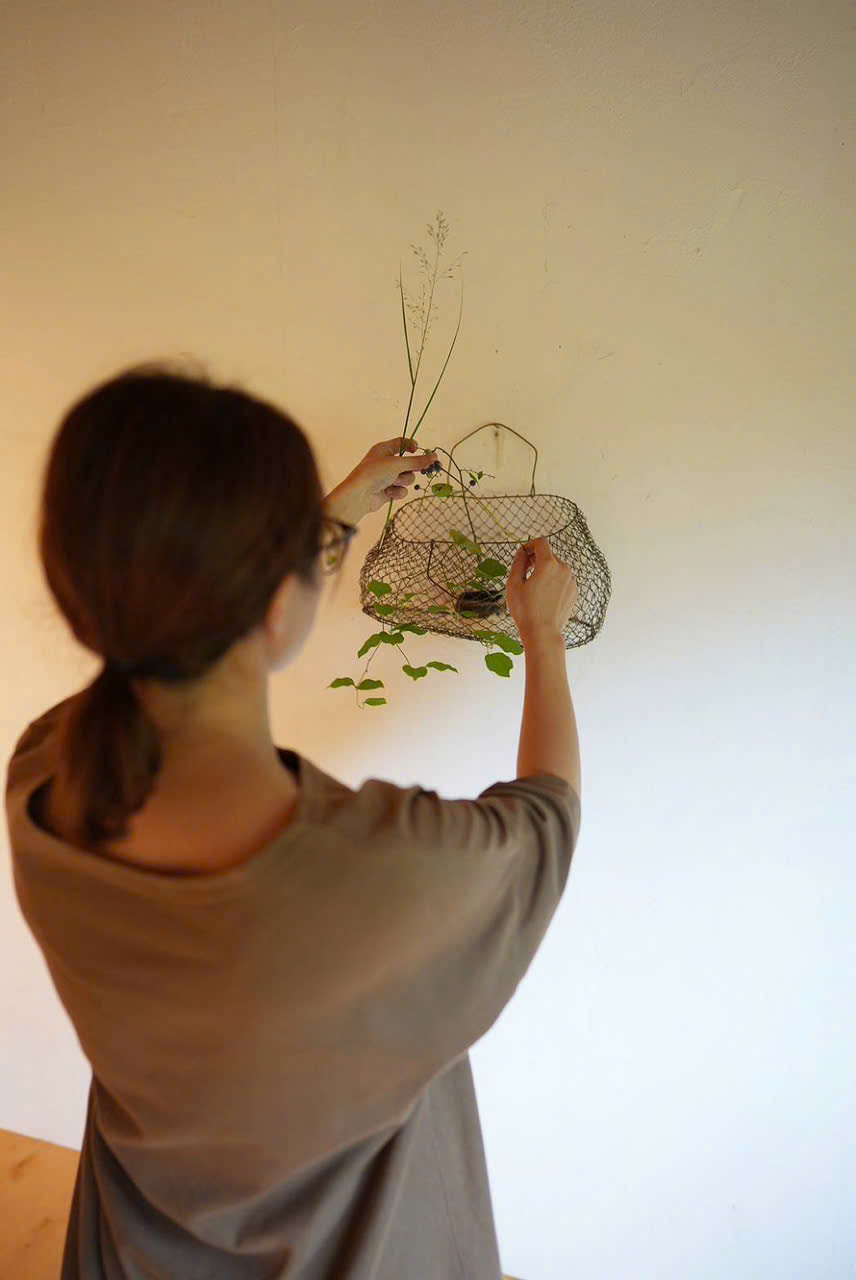
Perhaps this is why he speaks so sensitively about the changing natural landscapes of contemporary society.
“In Japan today,” he says, “mountains are being cut down to build solar energy facilities.” To him, this contains a certain contradiction: people speak about protecting the environment while simultaneously destroying landscapes that have existed for generations.
For that reason, Saito continues to maintain a small plot of land where he grows plants himself. Not as a manifesto about sustainability, but simply because he wishes to remain close to the things he loves.
Nageirebana Workshop with Saito Kenta
Guided by artisan Saito Kenta from Japan
Date: 30–31 May 2026
Location: Yohaku (Alley 22, Lane 4, Phuong Mai Street, Hanoi, Vietnam)