
Photo: Seungrok Nam.
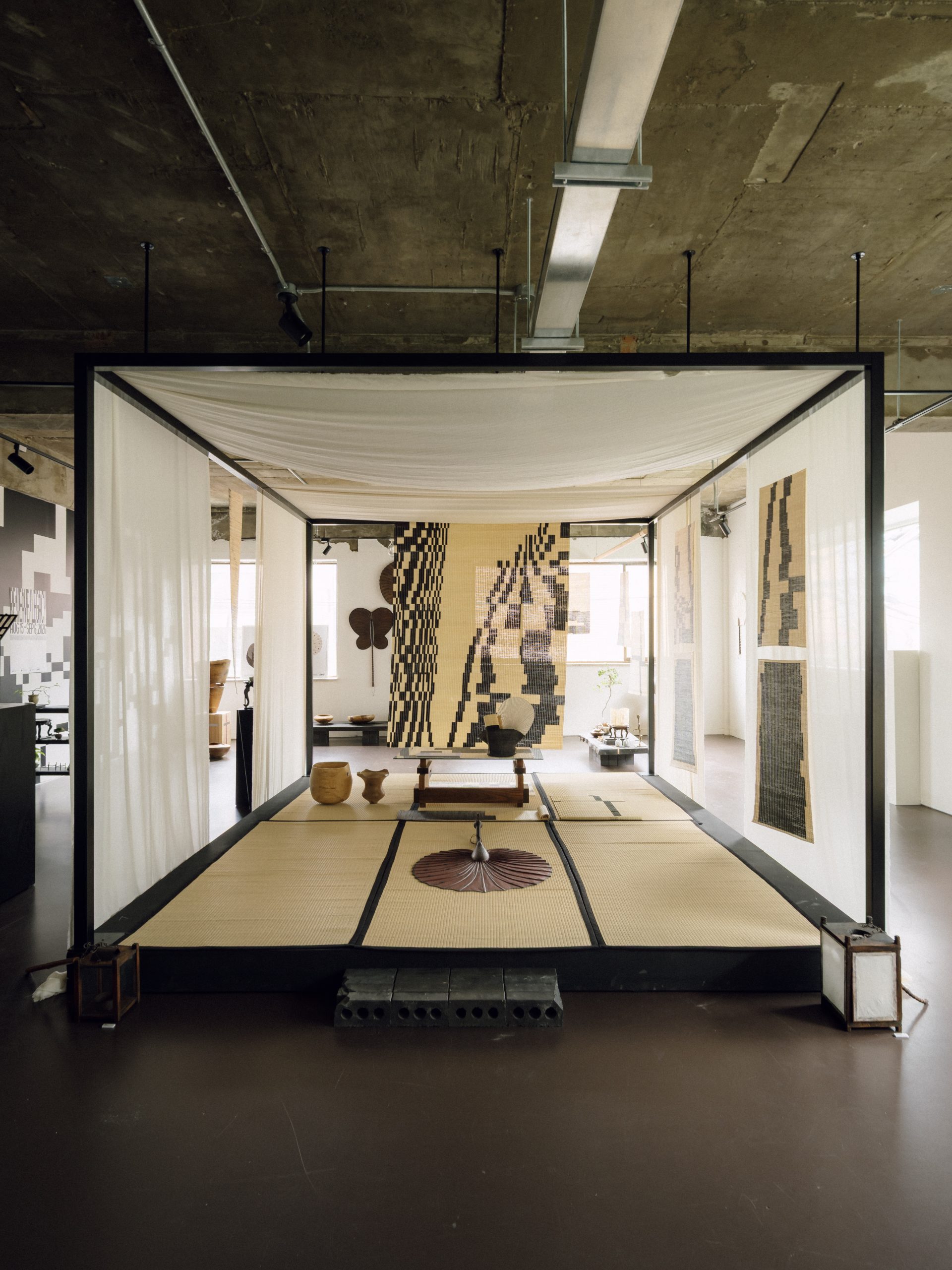
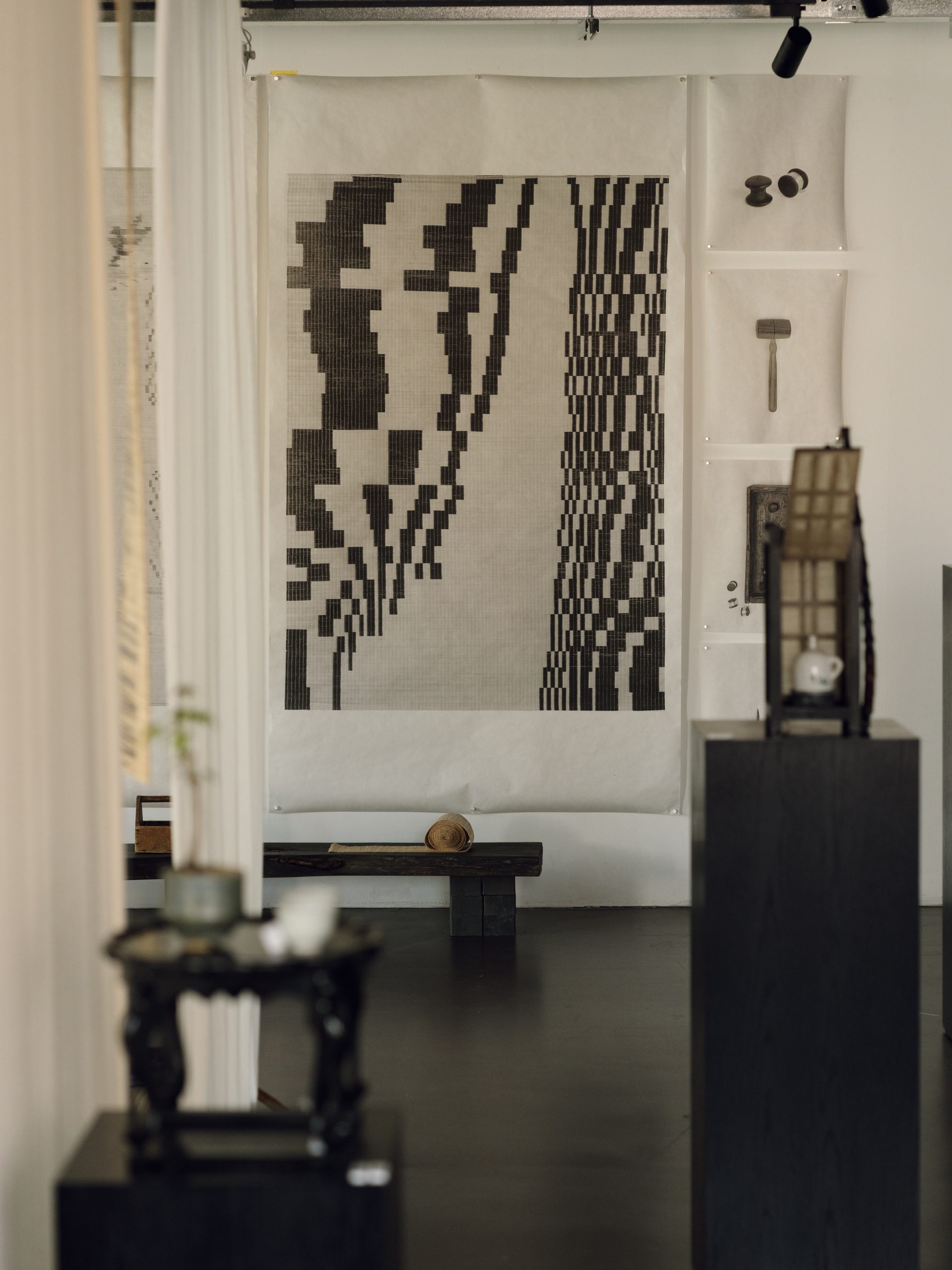
At its Yongsan flagship in Seoul, LOFA SEOUL brings a traditional Korean woven mat out of the museum context and back into the rhythms of everyday life. Titled RE:WEAVE / LEGACY, the exhibition centres on hwamunseok, a meticulously handwoven sedge mat historically offered to royal courts, and asks how its material logic can remain active within contemporary culture.
Rather than treating hwamunseok as an isolated artefact, LOFA SEOUL begins with the Korean idea of jari: a place to sit, stay and gather. The mat becomes less an object to observe than a spatial ground on which other objects, bodies and traces of time can accumulate.
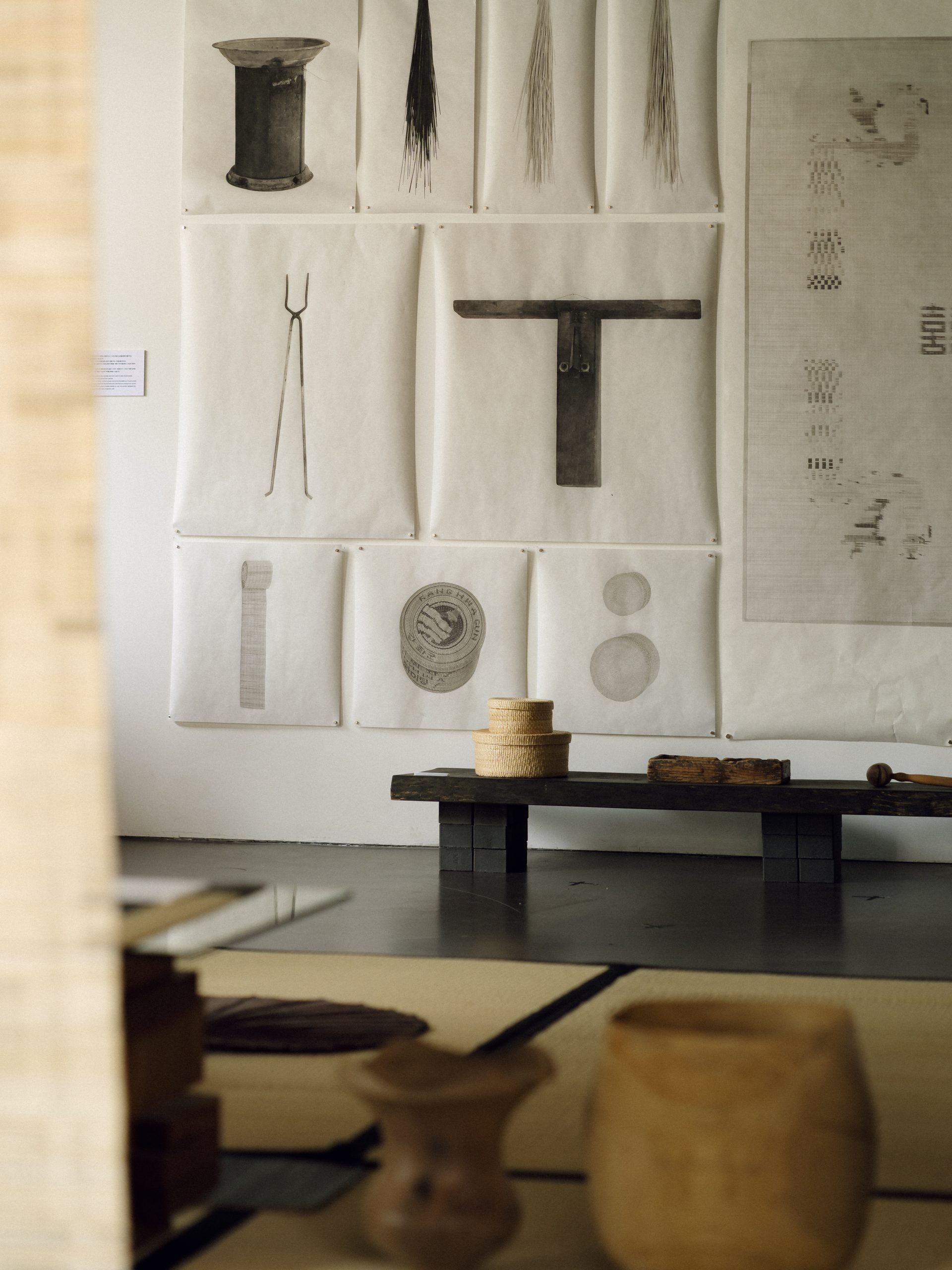
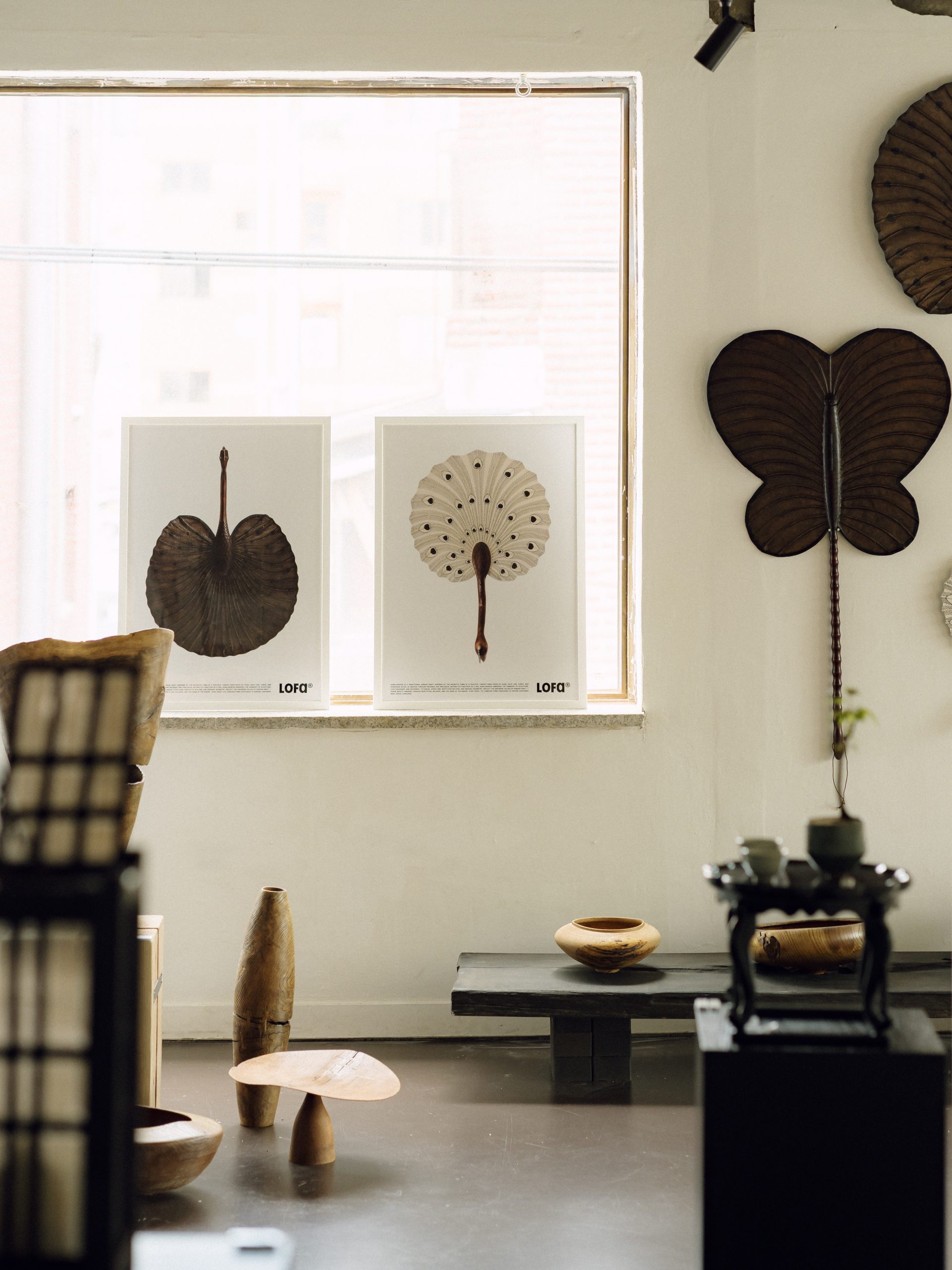
The exhibition reads the crossing strands and gridded geometry of hwamunseok as a graphic language that can move between heritage craft and present-day design. Historical objects sourced from Seoul’s Dapsimni Antique Market are placed alongside the mats, allowing differences in age, surface and use to form a layered domestic landscape rather than a chronological display.
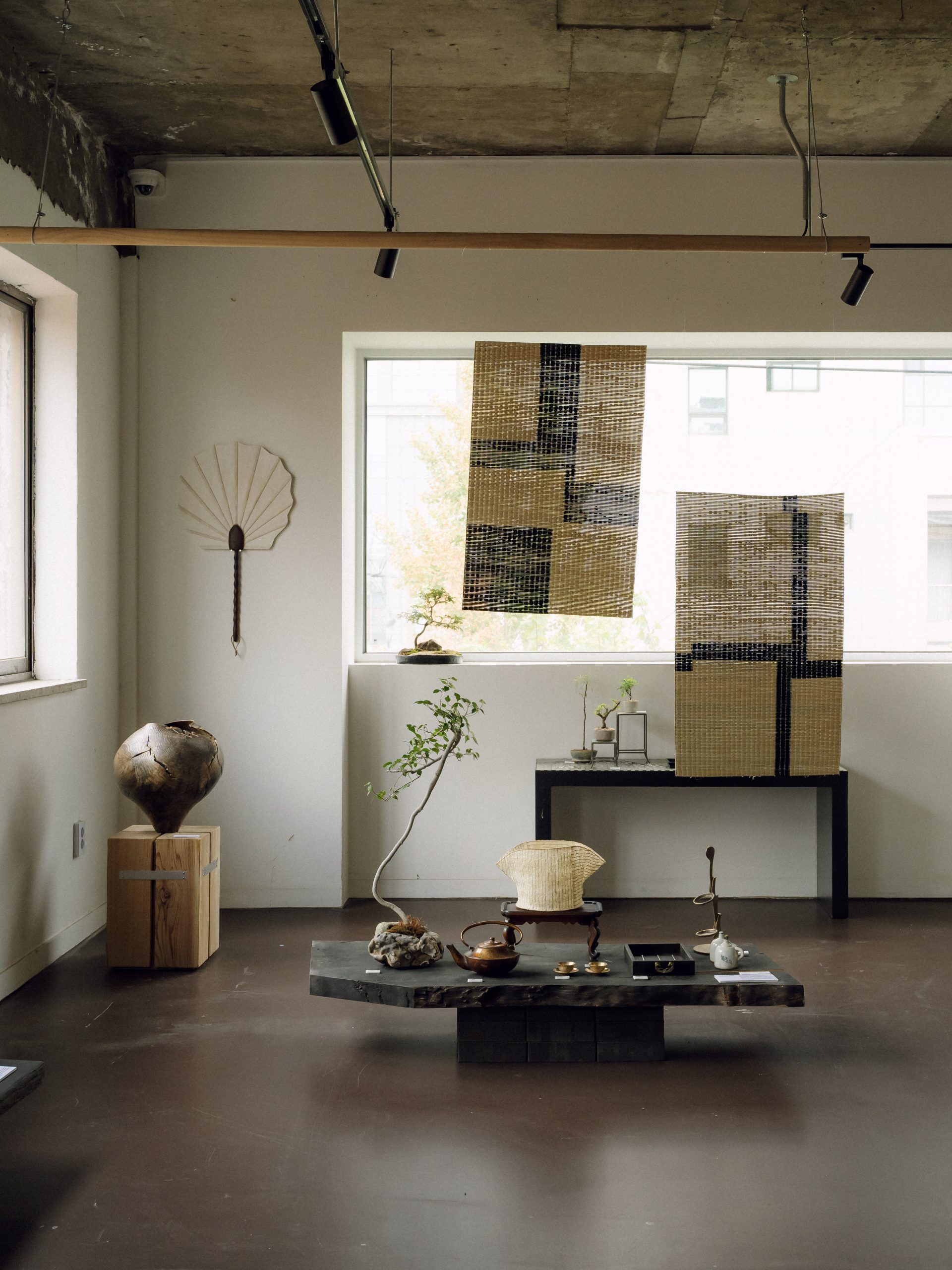
Photo: Seungrok Nam.
Among these objects is gongjakseon, the peacock fan made by Lee Kwang-gu, while the JARI hwamunseok design is based on original artwork by Gustavo Munoz. Their juxtaposition extends the exhibition’s argument: continuity does not require traditional craft to remain visually frozen. Instead, its techniques and cultural meanings can act as a framework for new compositions.
On Preview Day, this interpretation expanded beyond the visual. A live ambient performance used synthesizers and samplers to respond to the room’s natural reverberation and environmental frequencies. The repetitive gestures of weaving were echoed by the gradual construction of sound, while illuminated sampler grids recalled the crossing pattern of the mat itself.
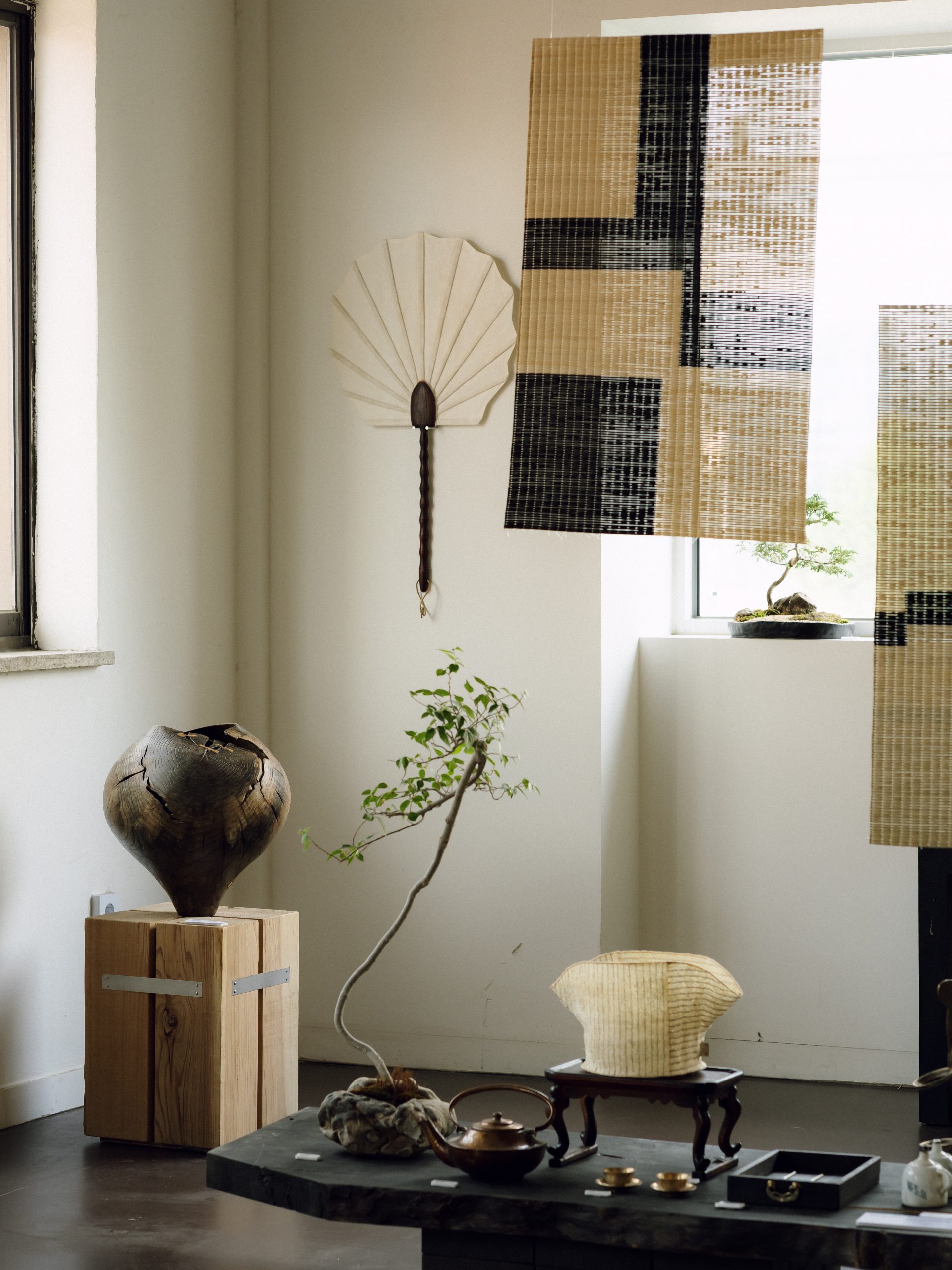
Photo: Seungrok Nam.
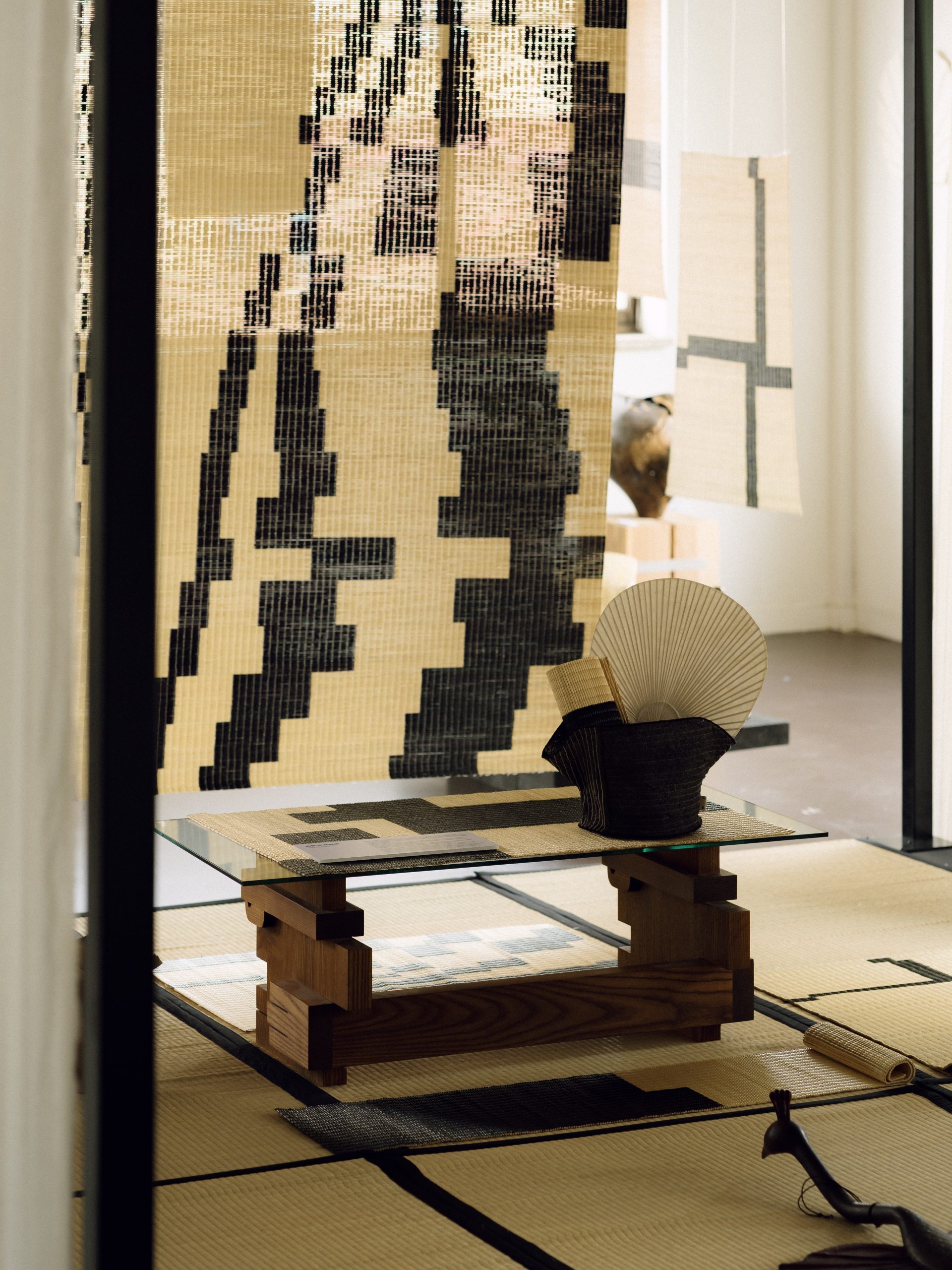
Photo: Seungrok Nam.
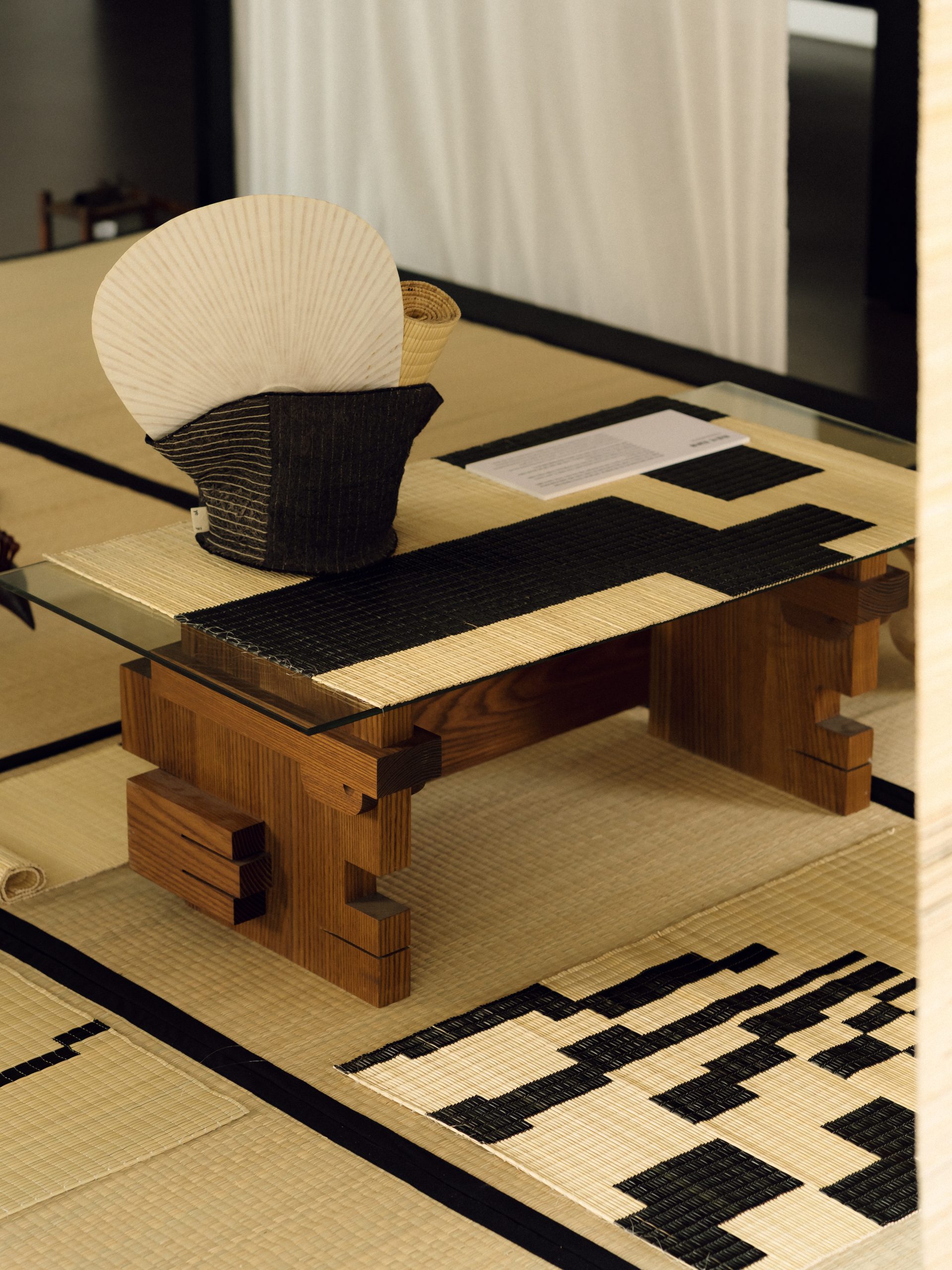
Photo: Seungrok Nam.
Through these overlaps, RE:WEAVE / LEGACY positions tradition as something that can be inhabited rather than simply preserved. The exhibition invokes the Korean aesthetic principle Geom-i-bul-ru, Hwa-i-bul-chi — frugal but not shabby, magnificent but not extravagant — to describe a balance between restraint, material richness and contemporary sensibility.
The exhibition runs from 15 August to 6 September 2026 at LOFA SEOUL’s Yongsan Store, bringing craft, antiques and contemporary visual culture together around the deceptively simple proposition of a place on which to sit and remain.
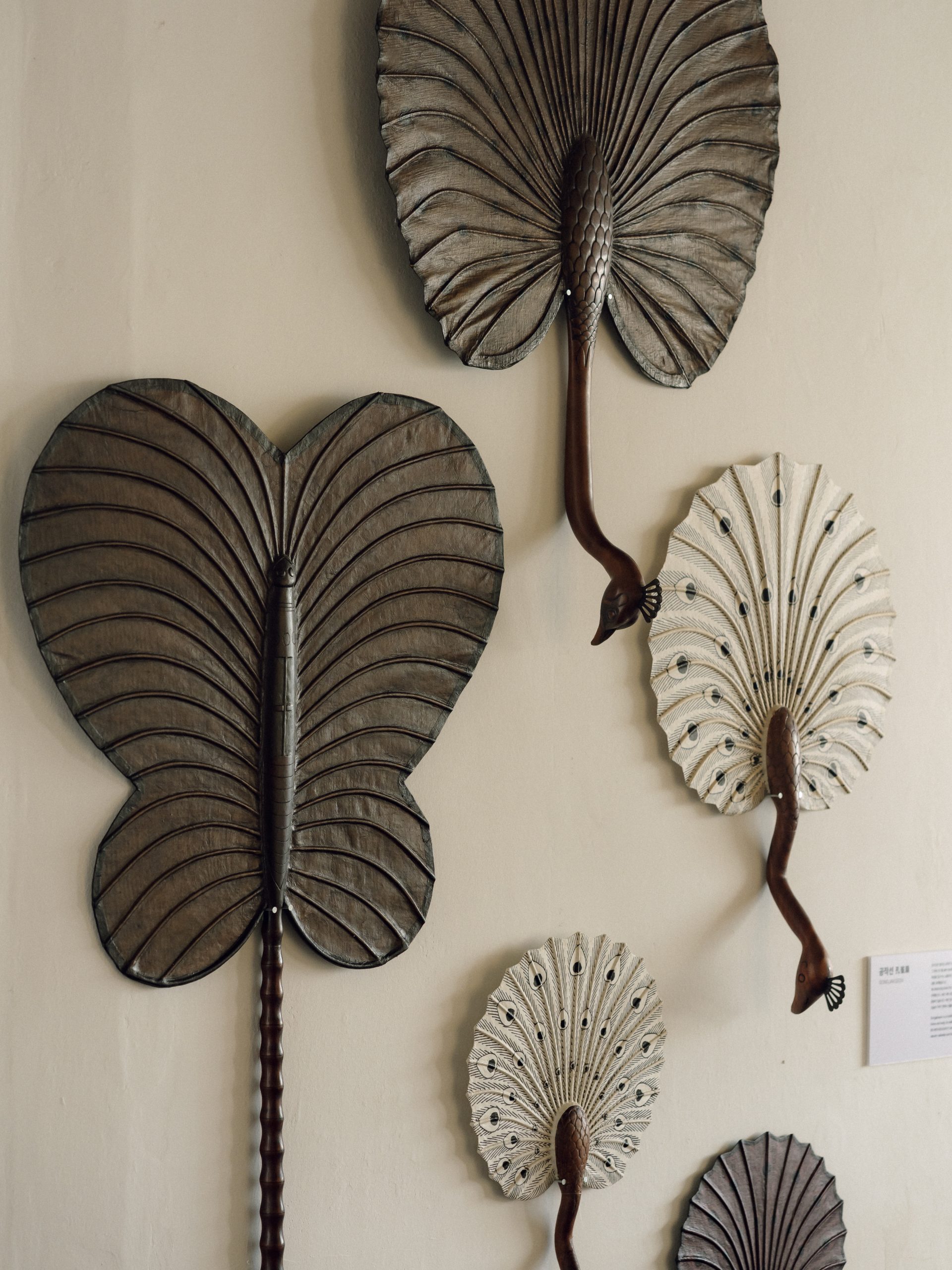
Photo: Seungrok Nam.
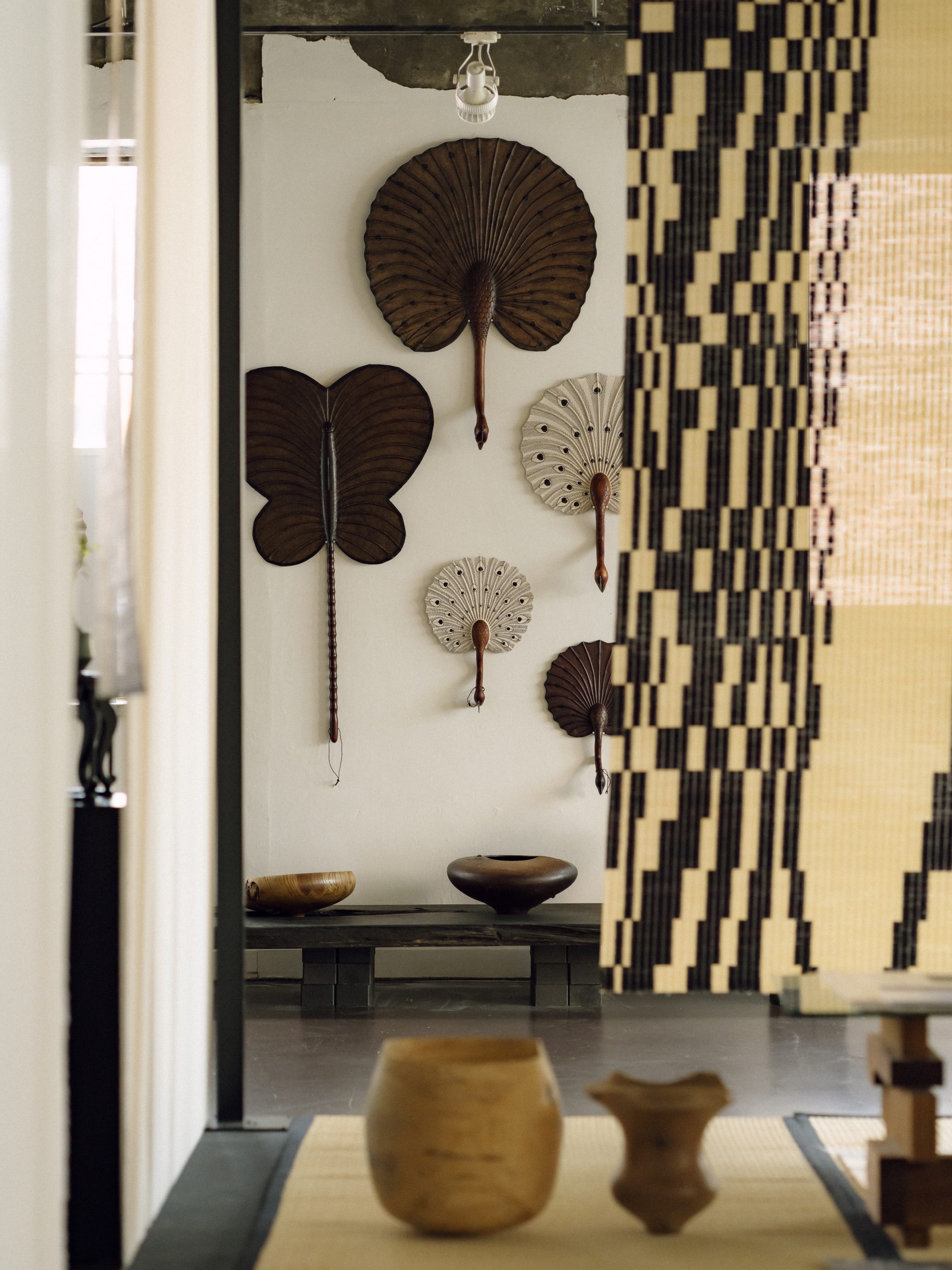
Photo: Seungrok Nam.
RE:WEAVE / LEGACY
Curator and organiser: LOFA SEOUL
Traditional craft – Hwamunseok: Park Yoon-hwan
Traditional craft – Gongjakseon: Lee Kwang-gu
JARI hwamunseok: Design based on the original artwork of Gustavo Munoz (@bustavo)
Exhibition photography: Seungrok Nam (@namseungrok)
Venue: LOFA SEOUL Yongsan Store, Seoul, Republic of Korea
Dates: 15 August – 6 September 2026