
text by ANH NGUYÊN
photo by TRIỆU CHIẾN
The Vietnam National Museum of Fine Arts holds a central place in the country’s cultural and artistic life. With collections spanning diverse media and periods, it serves as a living archive that charts the course of Vietnamese art over thousands of years.
A living archive of Vietnamese art
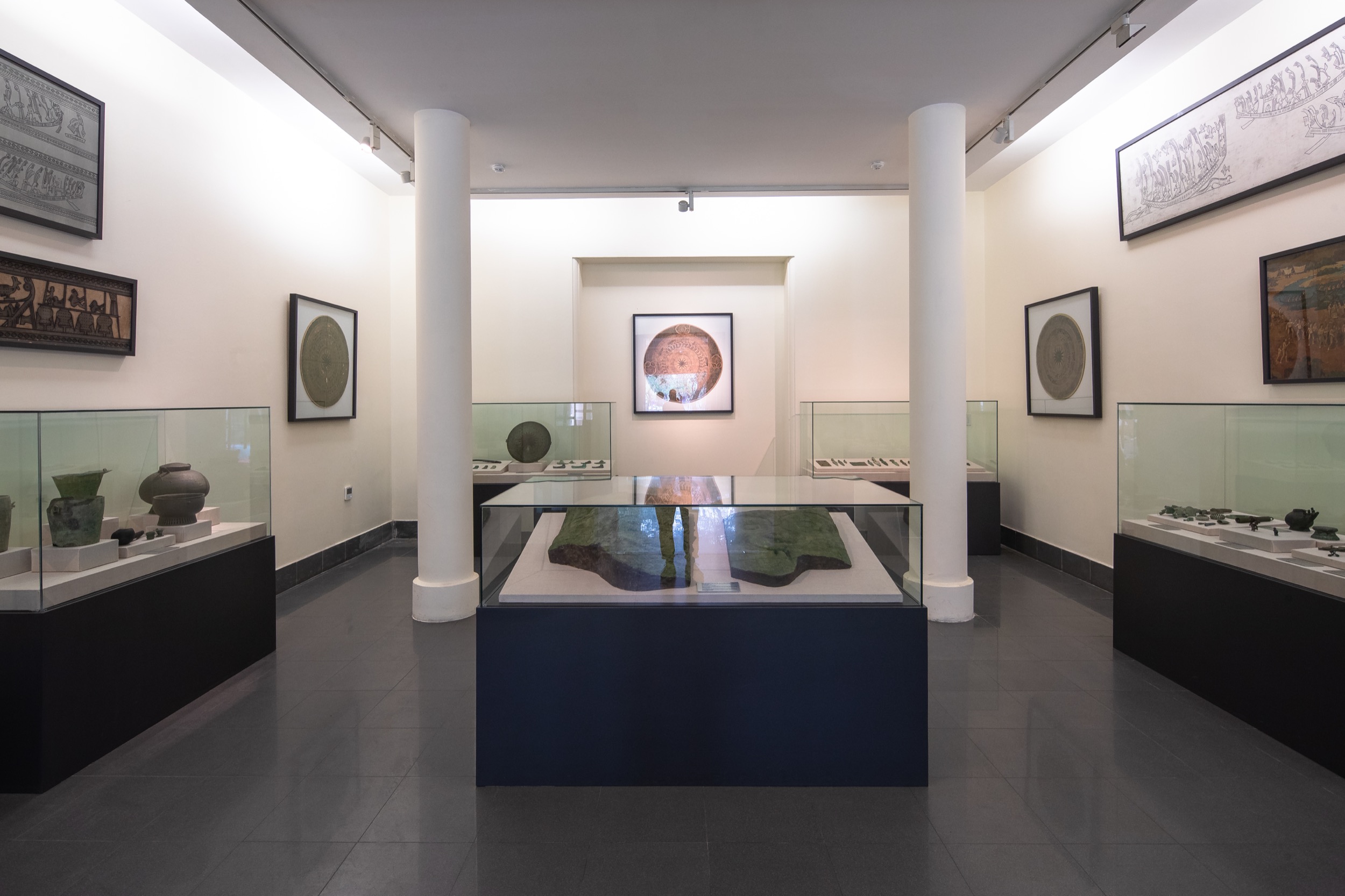
The journey begins with prehistoric tools and carvings: stone axes, small figurines, cave engravings, and primitive pottery. From the Bronze Age, the celebrated Đông Sơn drums, bronze jars, weapons, and musical instruments showcase remarkable craftsmanship. By the 11th century, under centralized dynasties, Vietnamese art flourished with Buddhist sculpture, temple guardians, and intricate dragon and floral stone carvings that affirmed a strong sense of national identity.
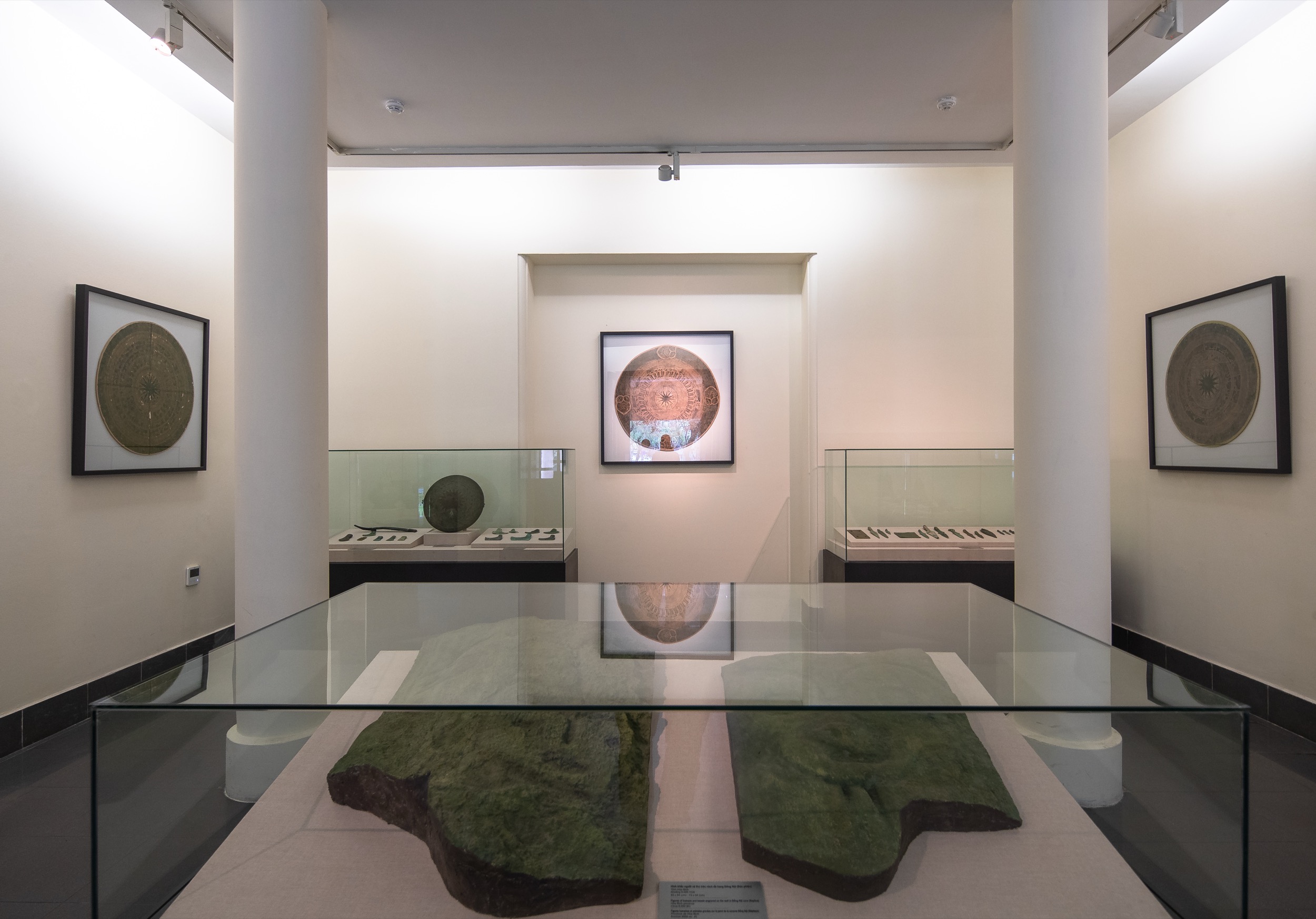
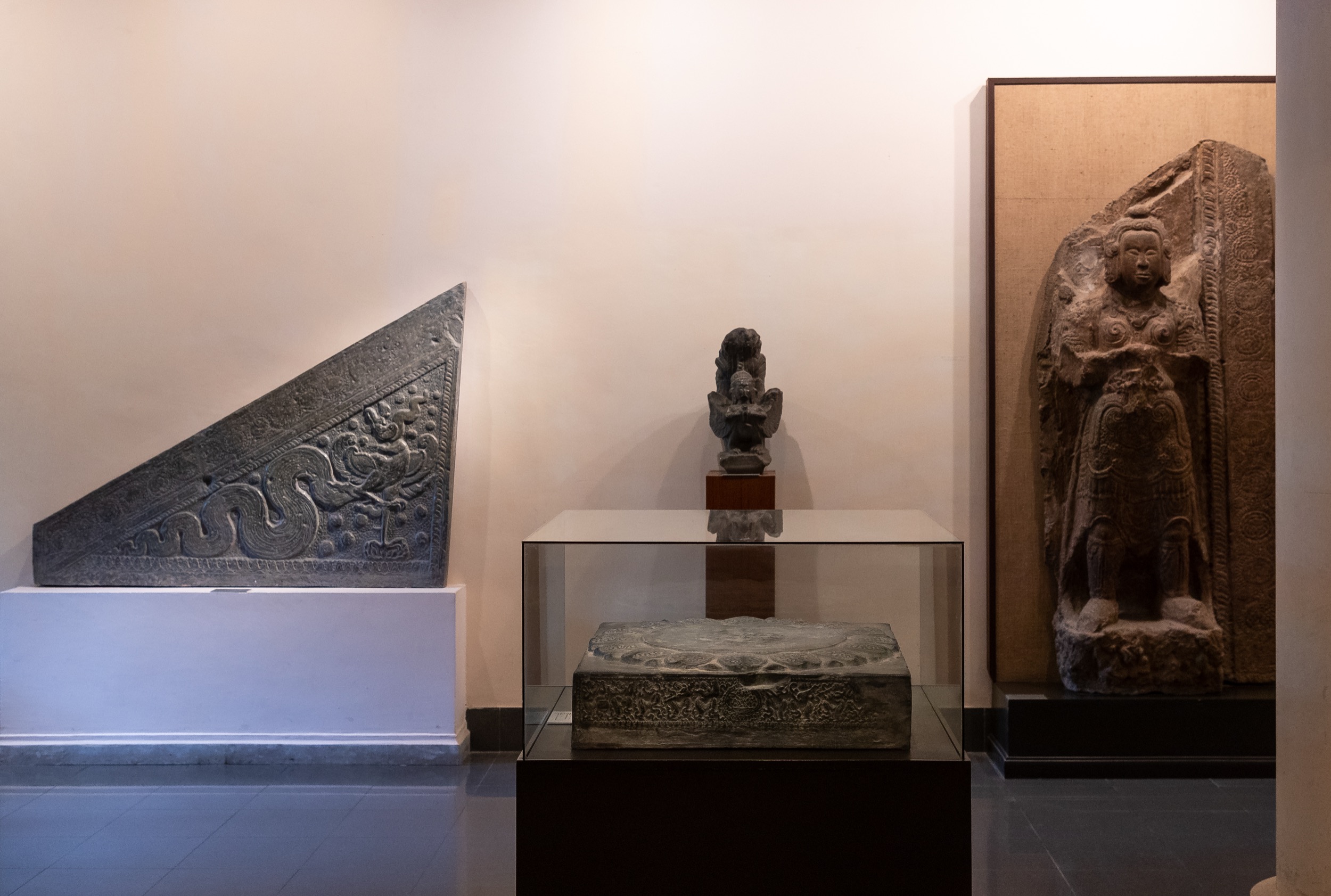
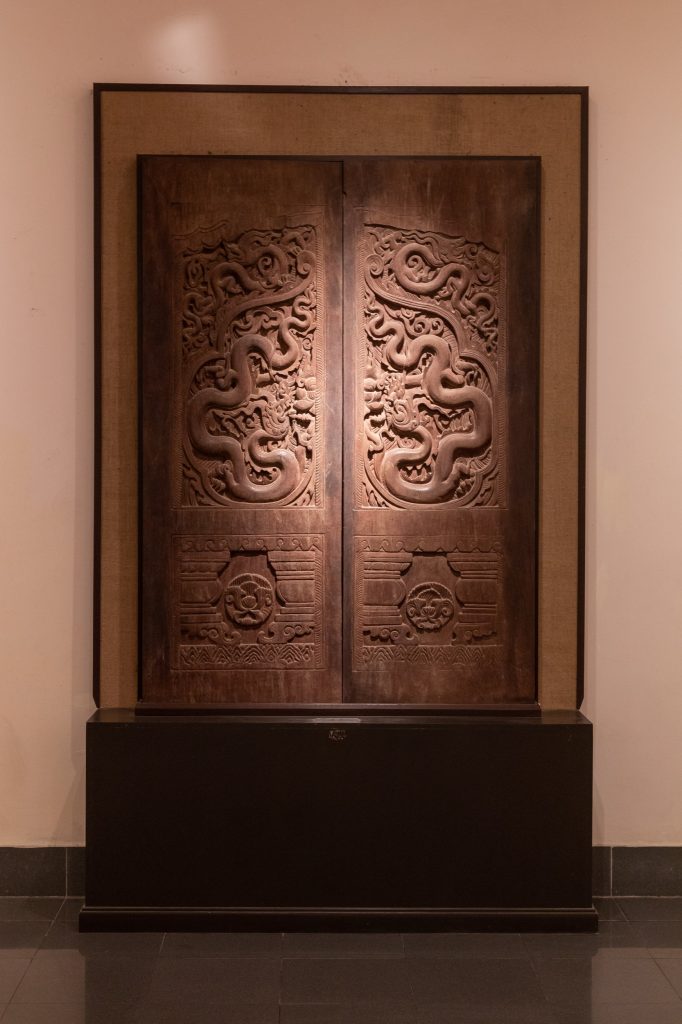
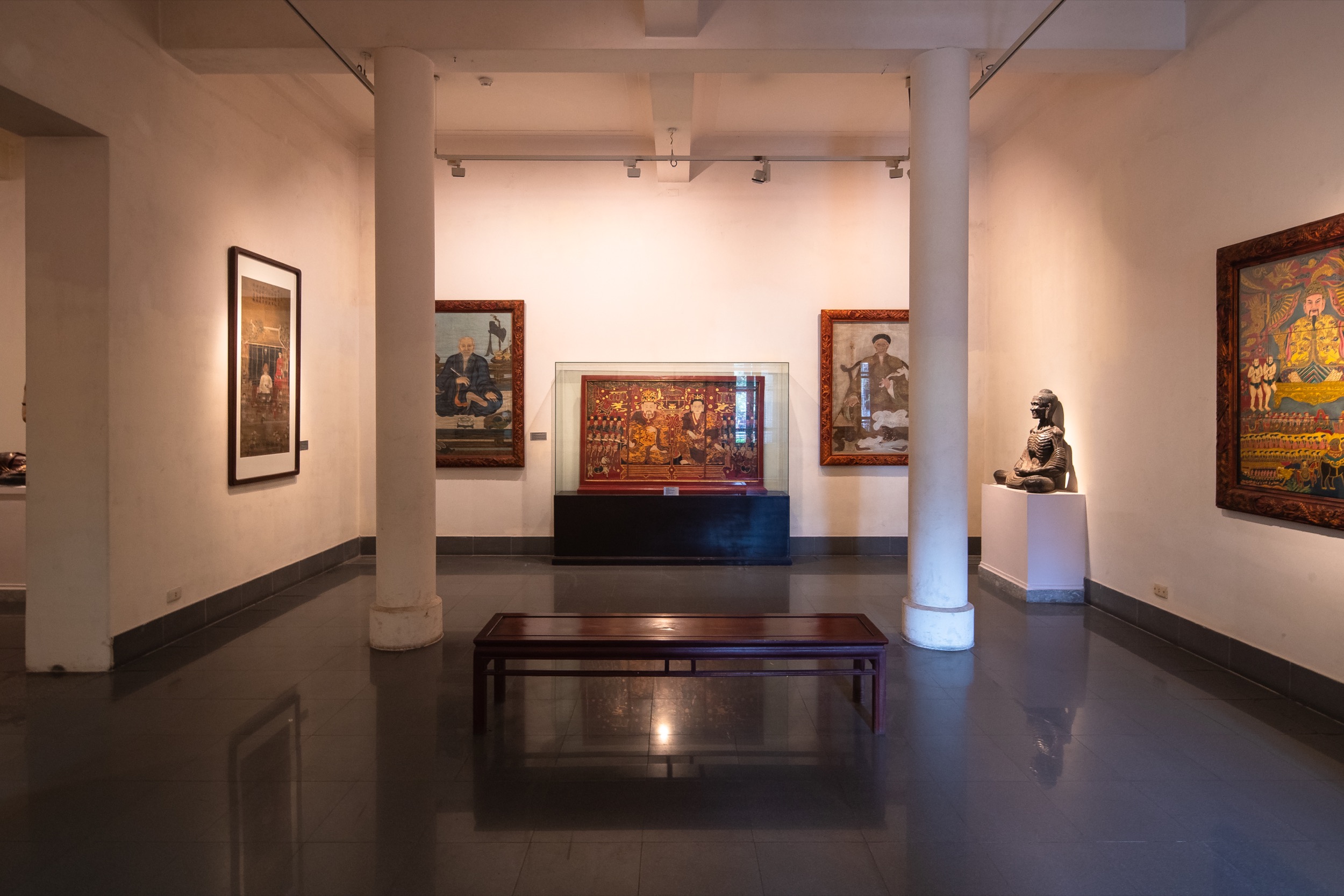
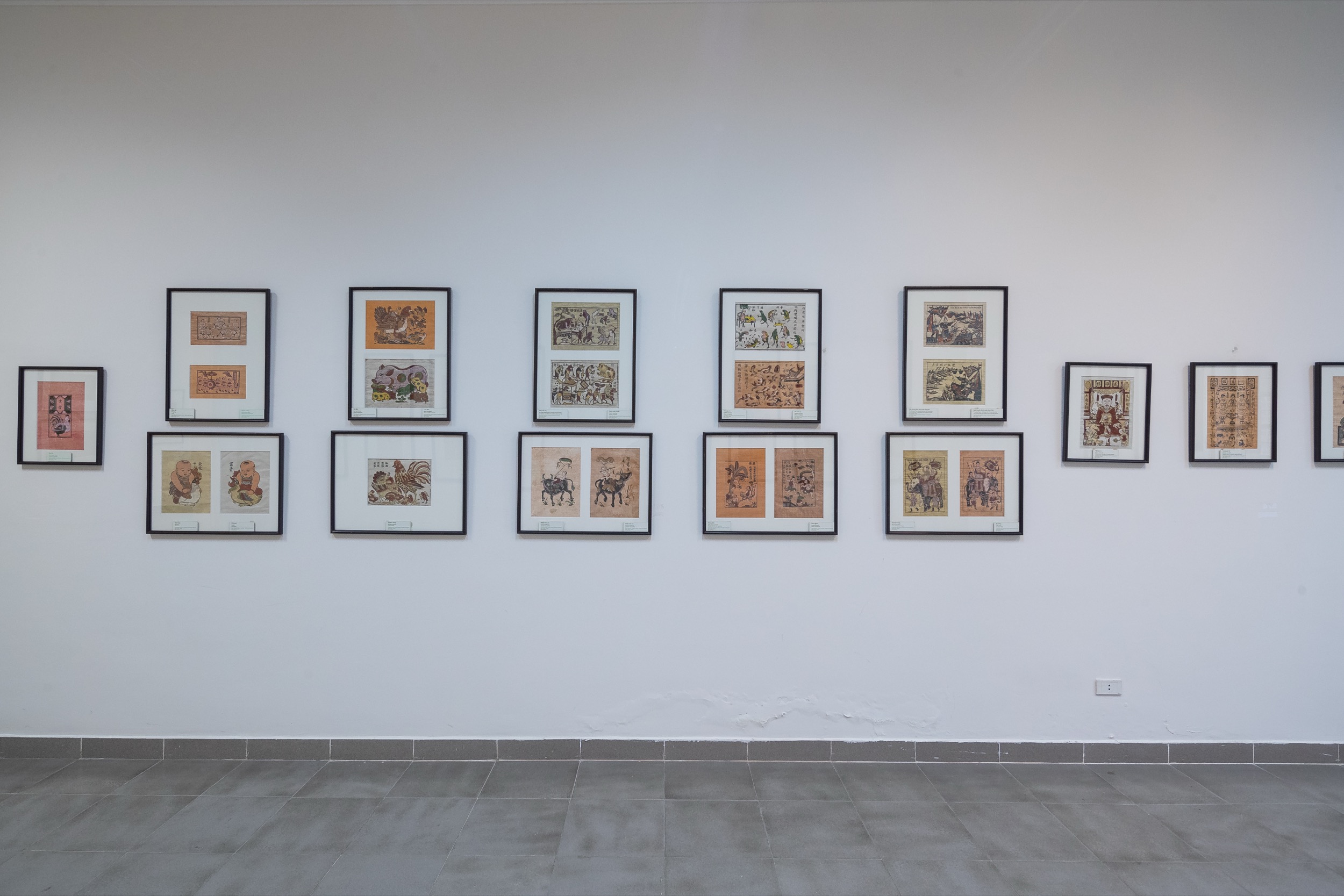
From the 16th to 19th centuries, despite political upheaval, village temples and pagodas became centers of artistic creation. Wood carvings from communal houses and Buddhist statues reveal a vibrant folk tradition. Alongside these, early silk and paper paintings, as well as Đông Hồ and Hàng Trống folk prints, capture everyday rituals and beliefs. The 19th and early 20th centuries brought new influences, particularly through architecture and decorative arts in Huế, while still rooted in local traditions.
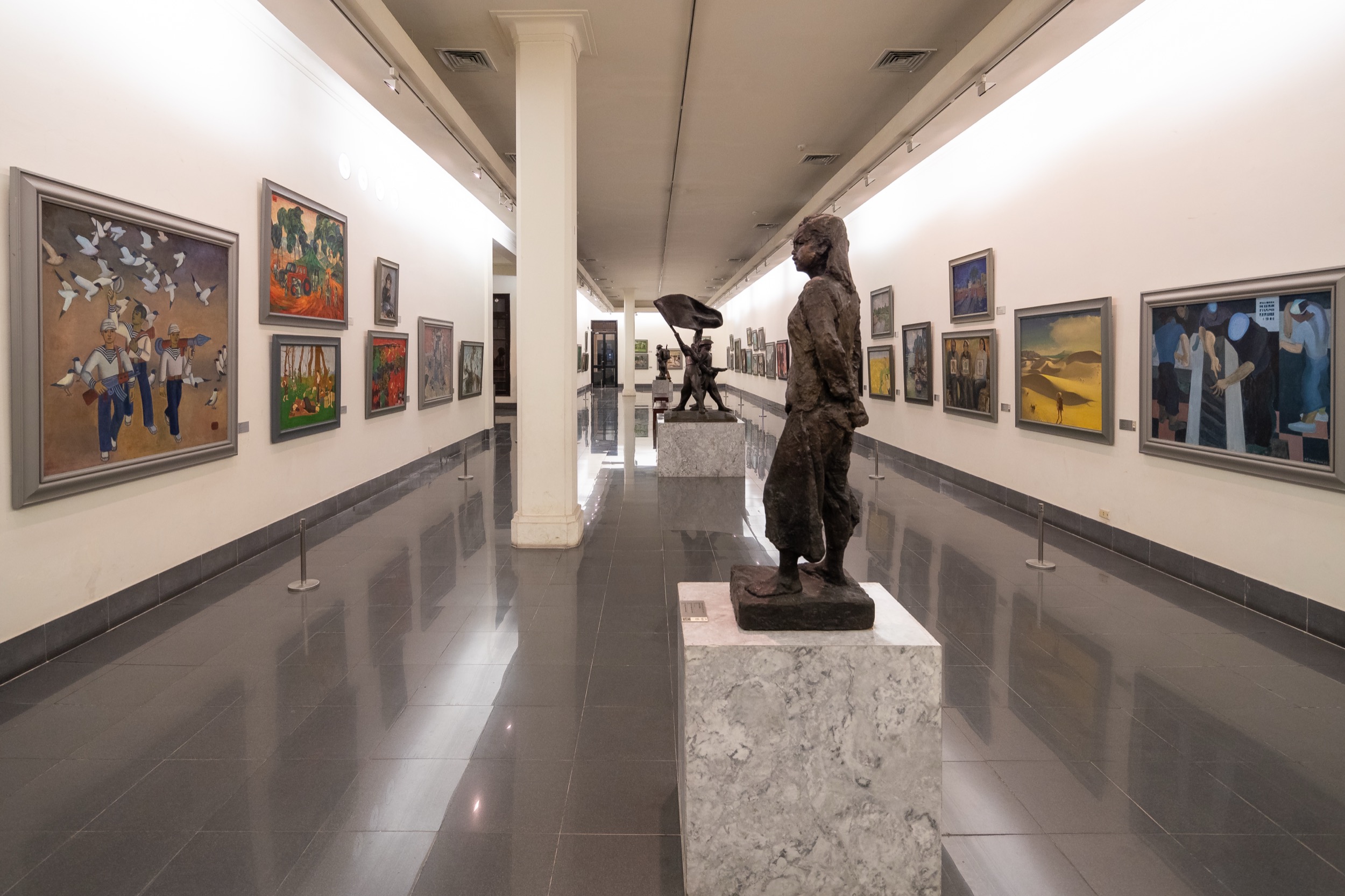
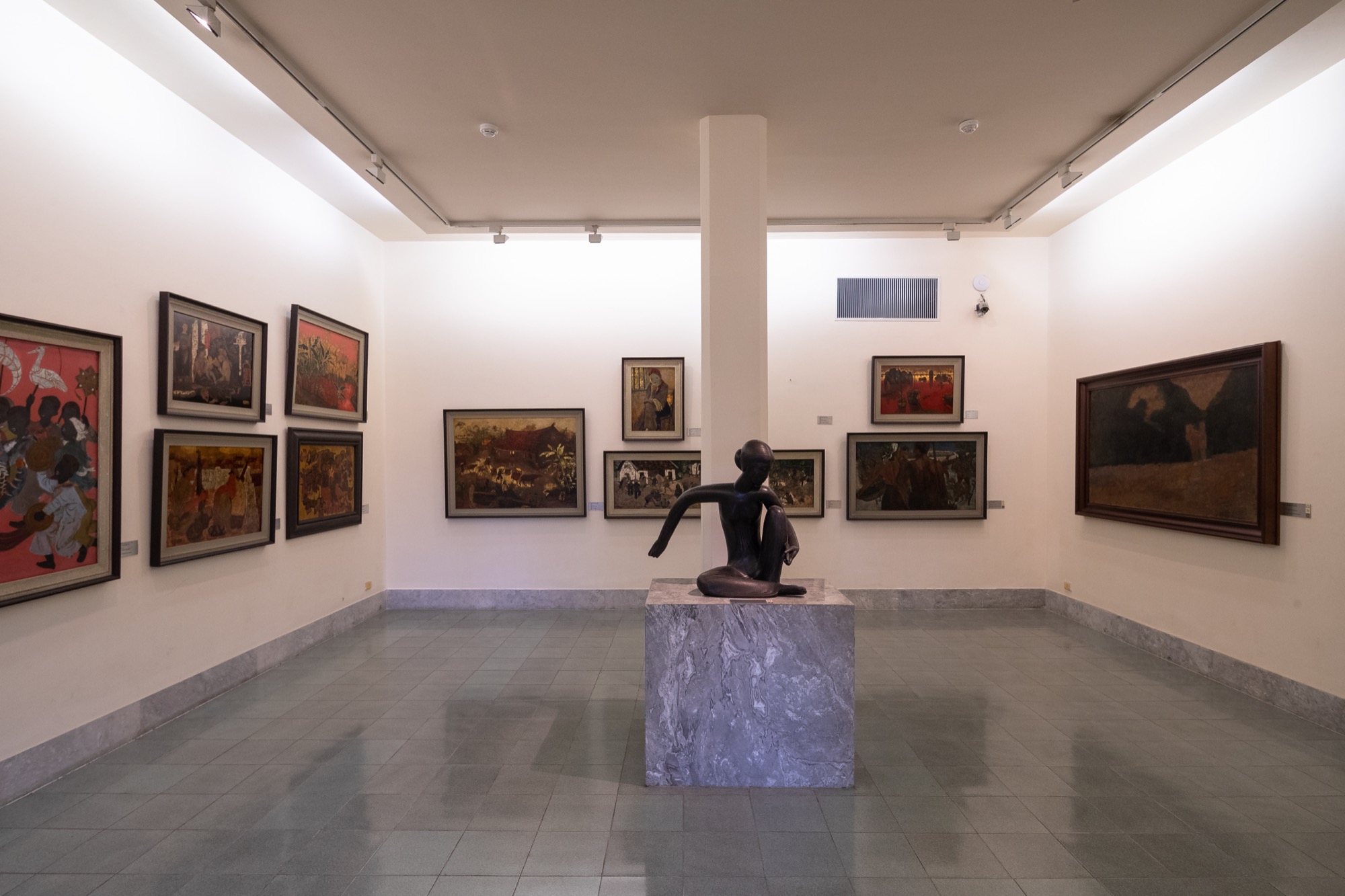
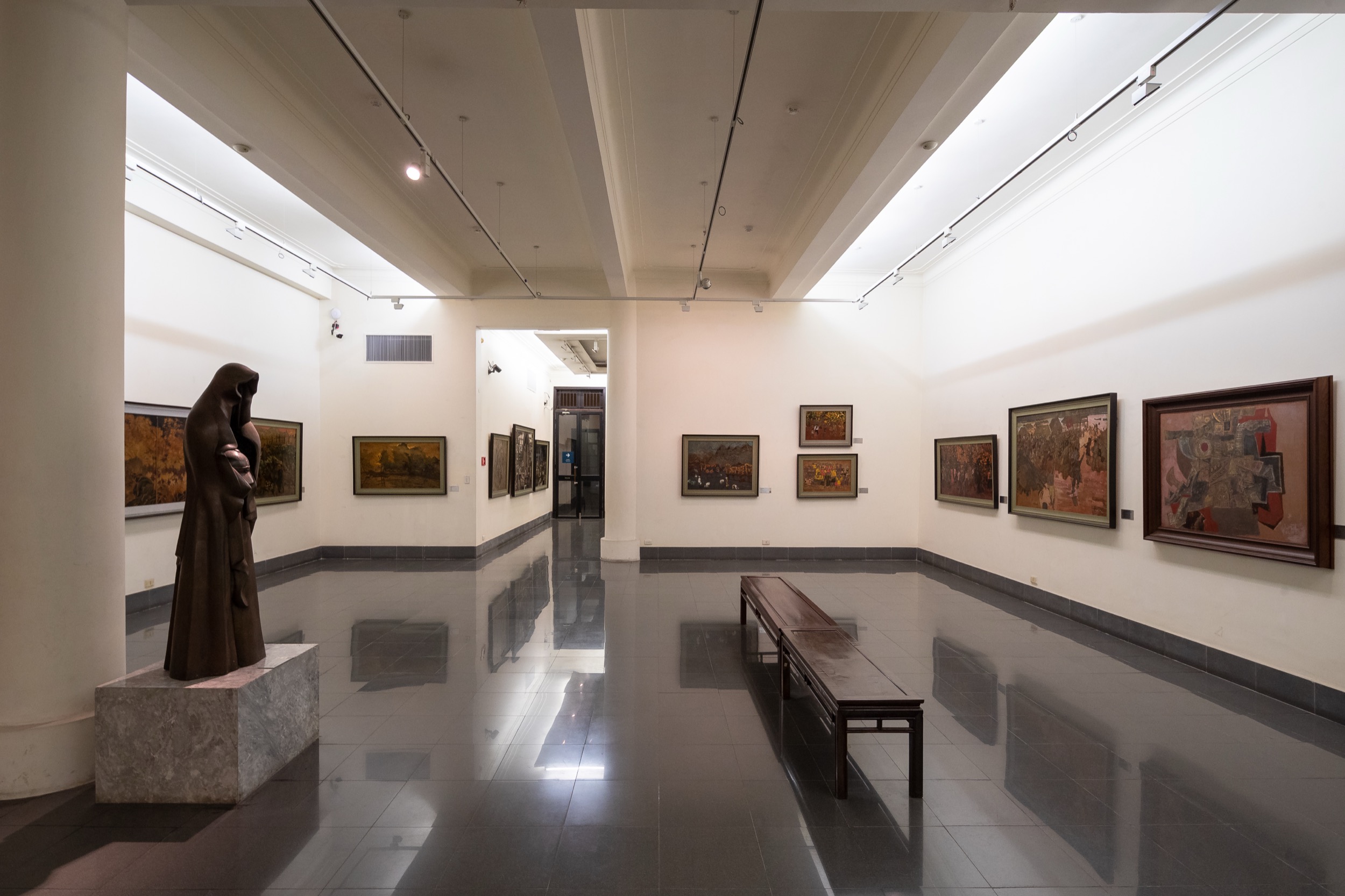
In the early 20th century, Vietnamese art entered a new chapter with the founding of the École des Beaux-Arts de l’Indochine in 1925. Works by its graduates, preserved in the museum, laid the foundation for modern Vietnamese art. After the August Revolution of 1945, many artists joined the resistance, leaving behind drawings, lithographs, and propaganda art that remain key visual records of the nation’s struggles. Through the war years and beyond, artists combined historical themes with depictions of contemporary life, producing works that continue to shape the museum’s growing collection.
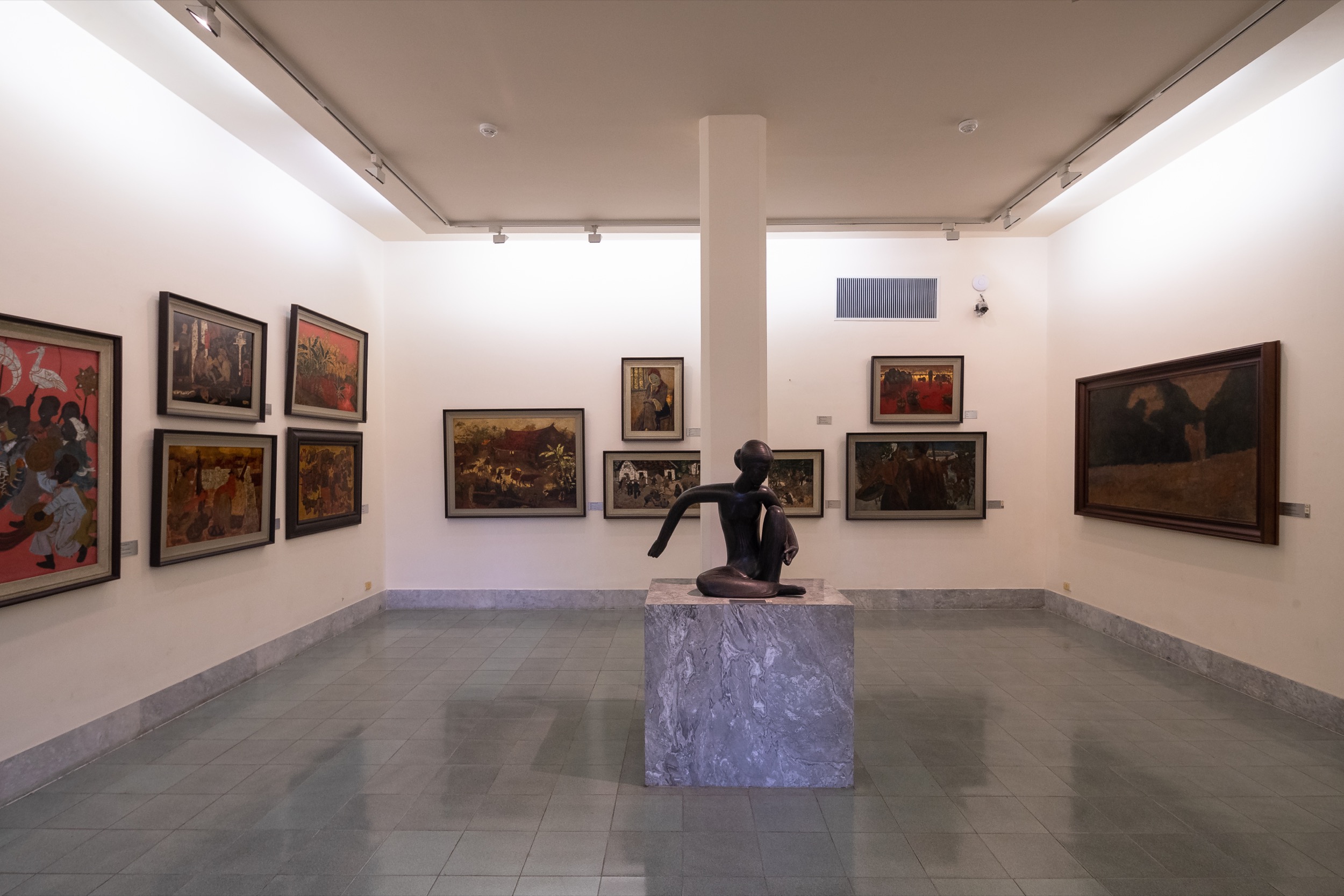
The building and its transformation
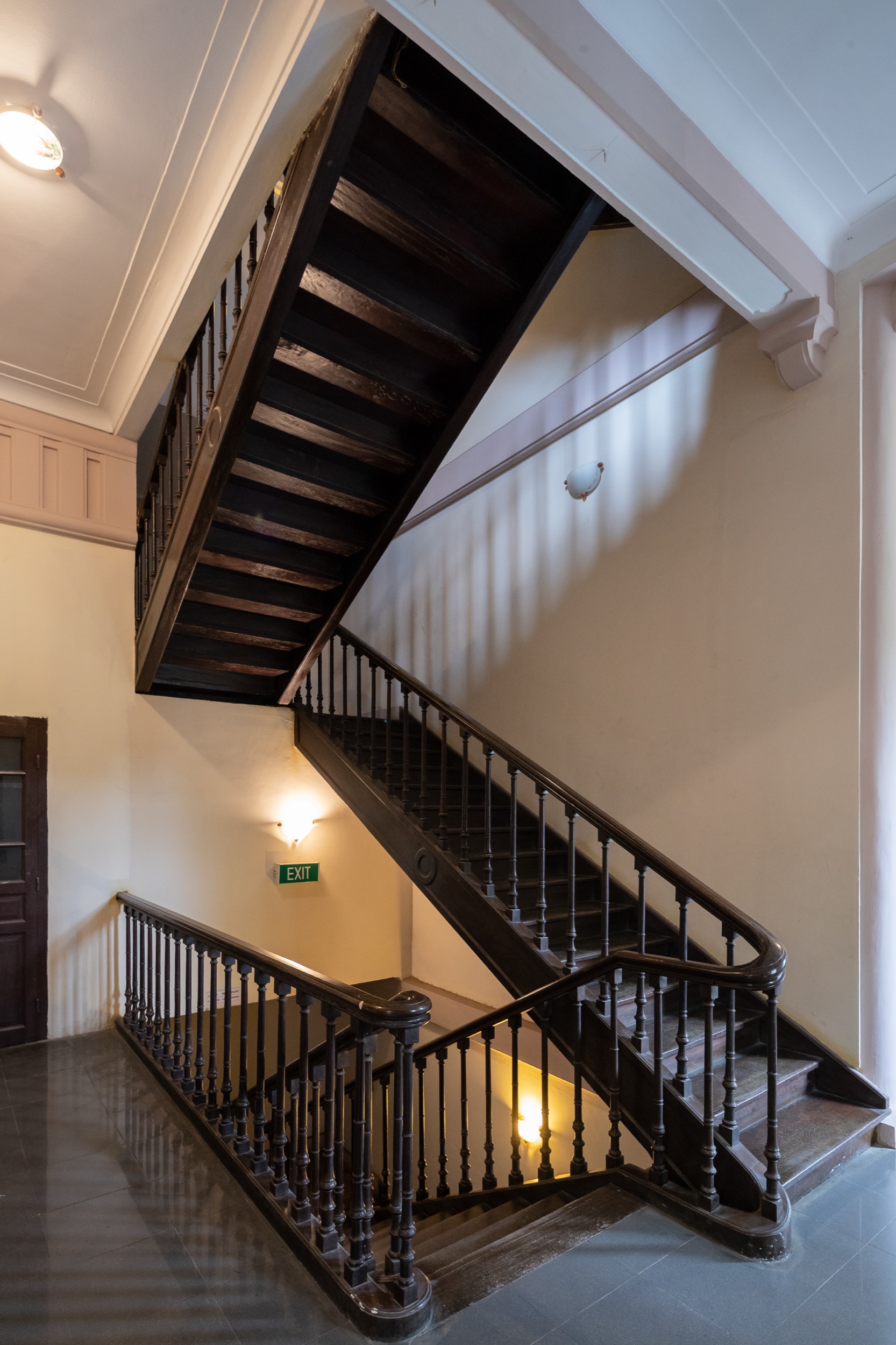
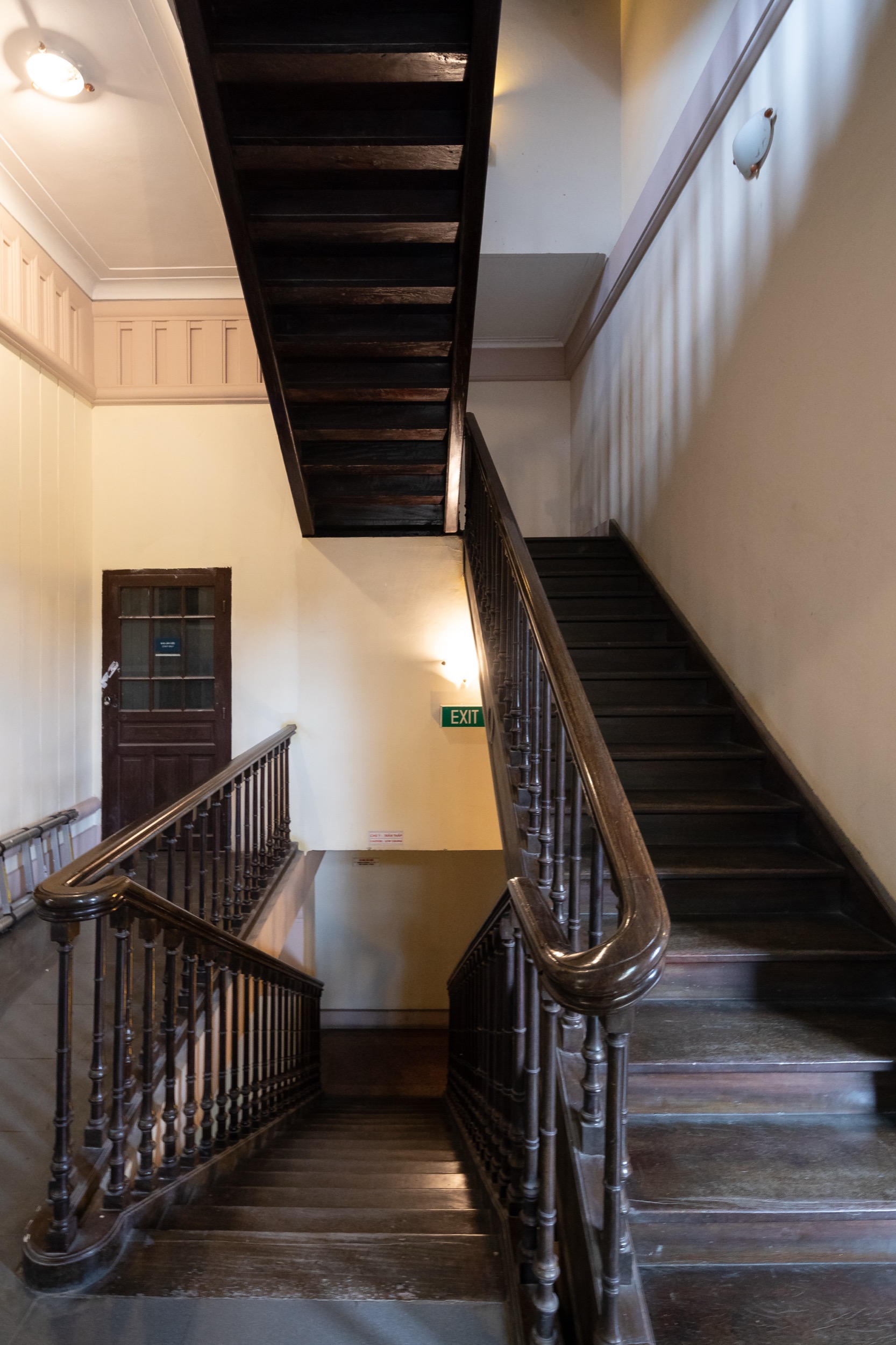
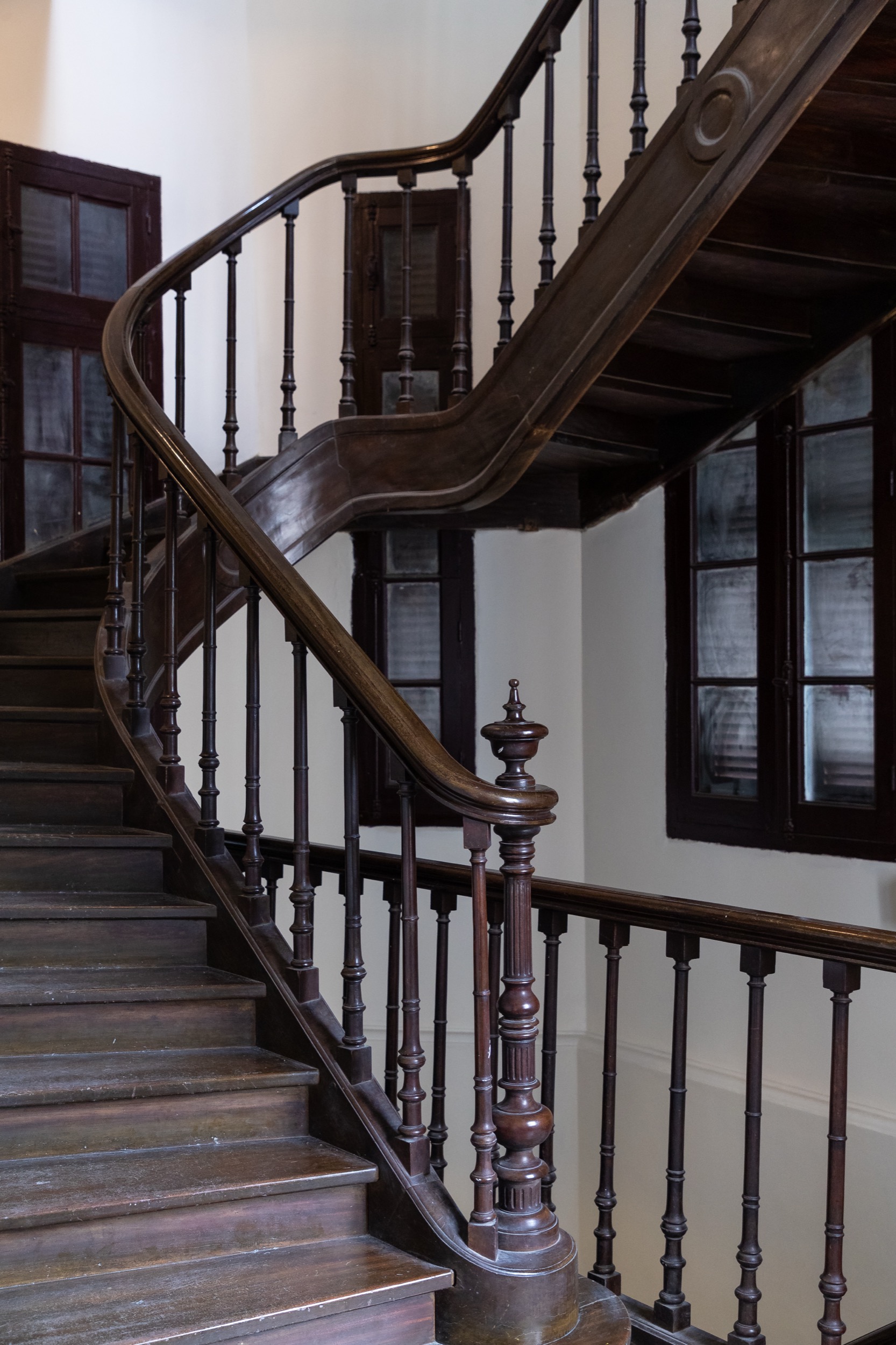
The museum’s main building has a layered history of its own. Originally built before 1945 as a three-story residence with a semicircular garden, it served as a dormitory for daughters of French officials under the Catholic Jeanne d’Arc institution. After the Revolution, the building was repurposed several times until, in 1962, it was assigned to the Ministry of Culture for conversion into a national museum.
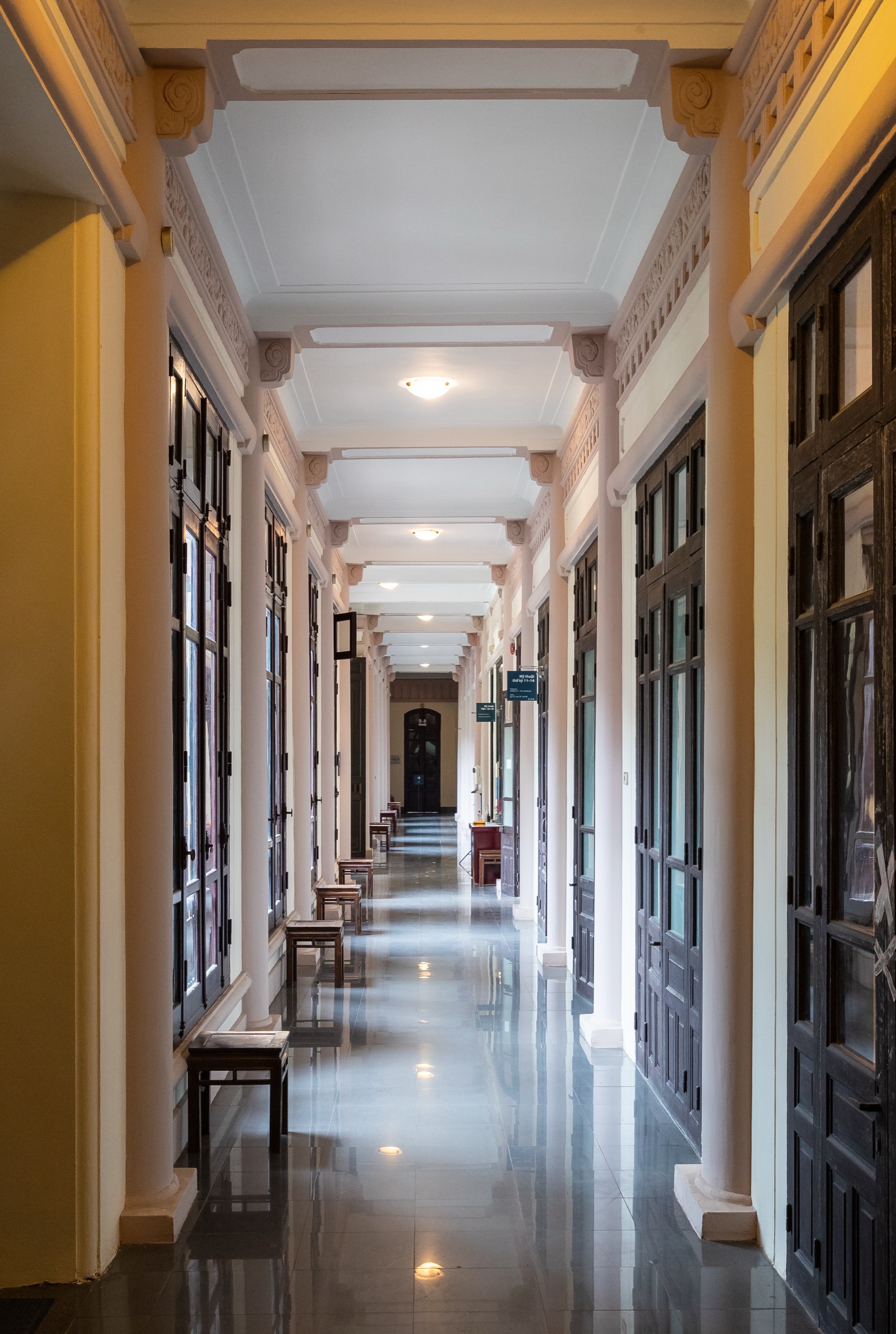
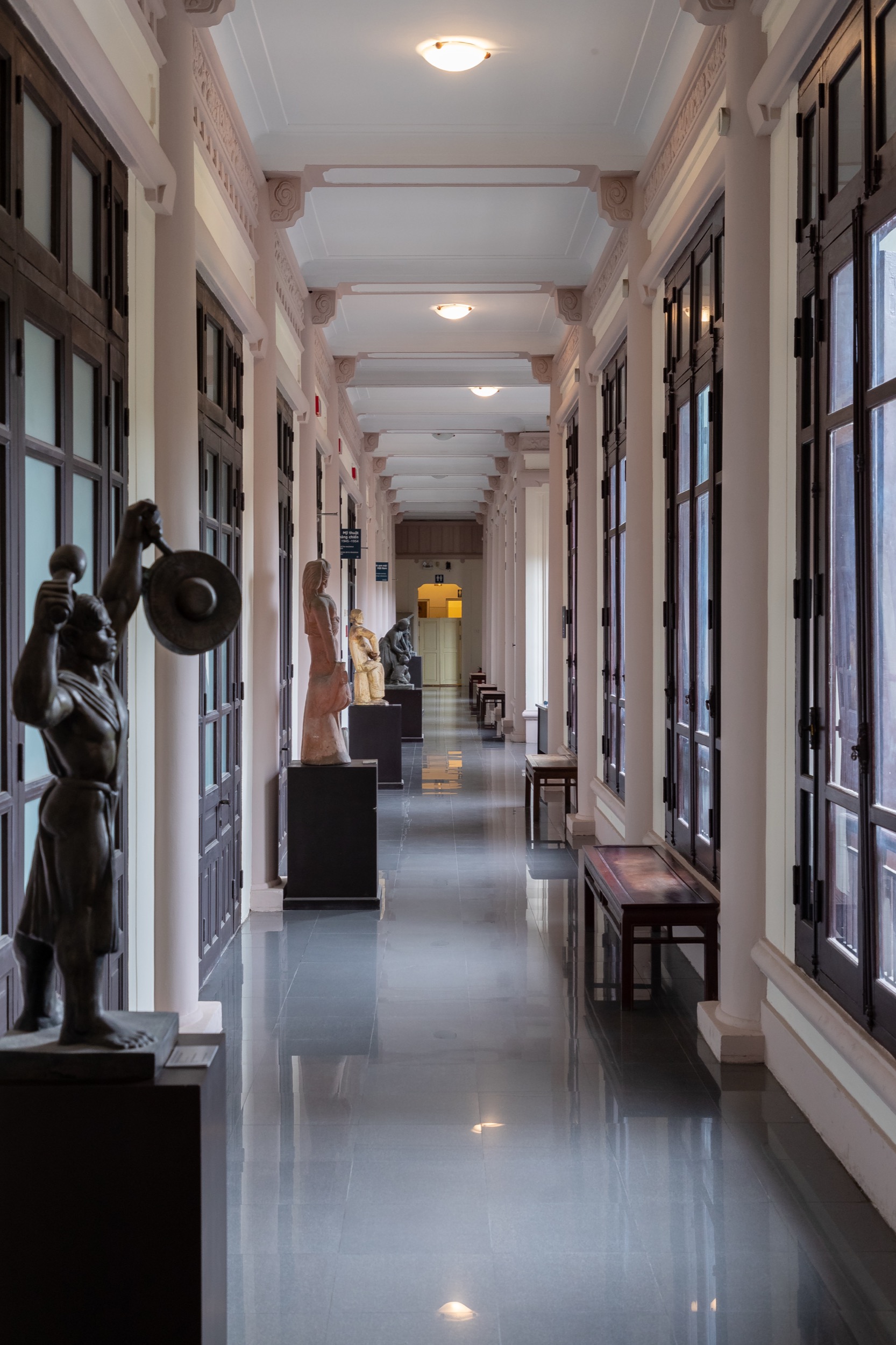
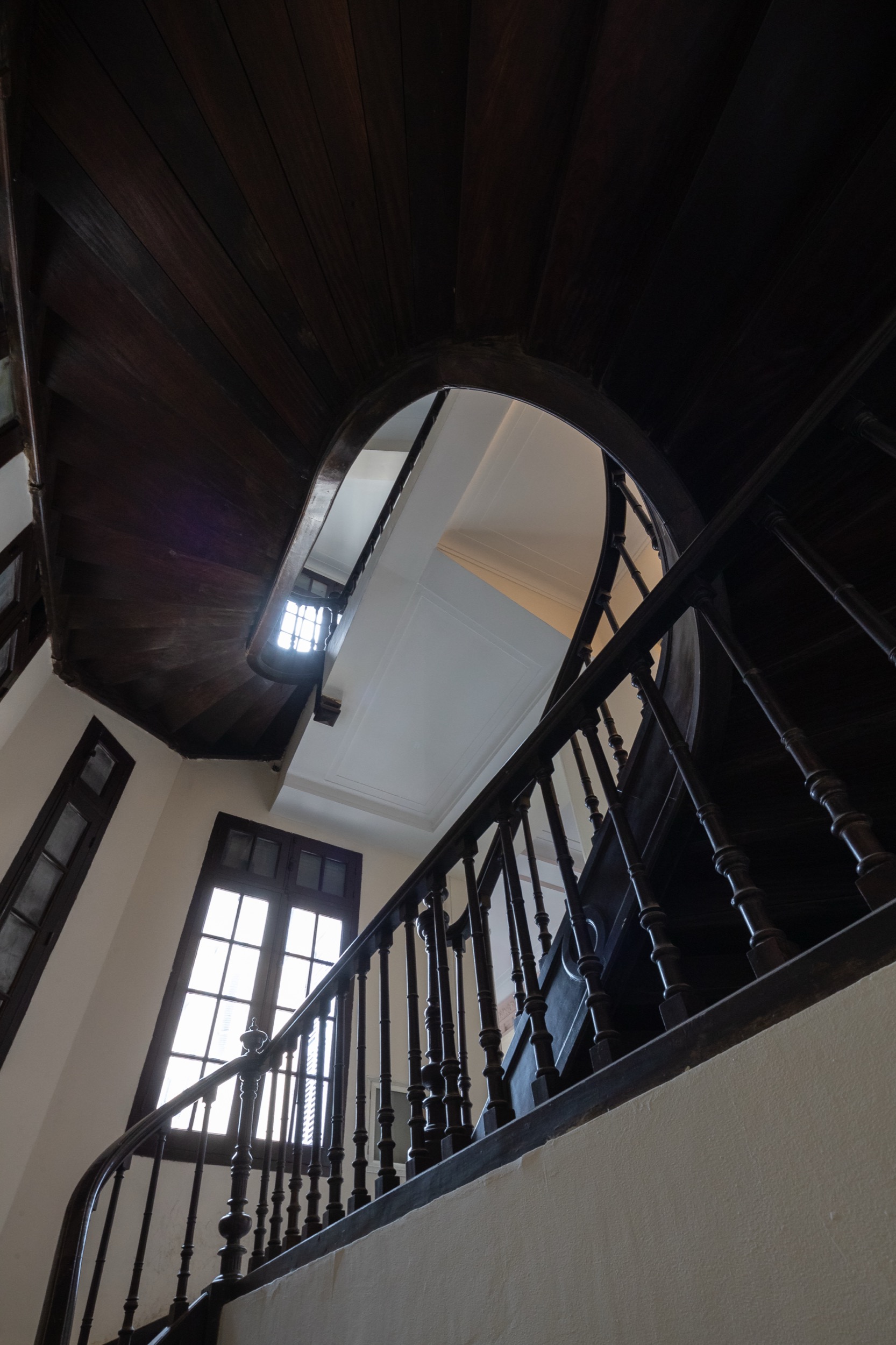
The task fell to the newly established Institute of Fine Arts and Applied Arts, which set out to adapt the Western-style residence into a space reflecting Vietnamese identity. Under the leadership of painter Nguyễn Đỗ Cung, and with the dedication of a young team, the museum opened its doors on June 26, 1966.
Collections and expansion
From the outset, the displays were organized into major sections: ethnic minority arts, prehistoric and Bronze Age artifacts, feudal-period art, folk and craft traditions, and modern and contemporary works. The layout blends chronology with material-based groupings, offering visitors both historical context and aesthetic diversity.
By 1971, the institution was officially recognized as the National Museum of Fine Arts. Its activities expanded beyond permanent displays, with traveling exhibitions bringing Vietnamese art to communities across the country. After 1972, the museum’s facilities grew with a new three-story wing, enhanced security and conservation systems, and the establishment of a professional restoration workshop capable of handling a wide range of materials, from wood and stone to silk, paper, and lacquer.
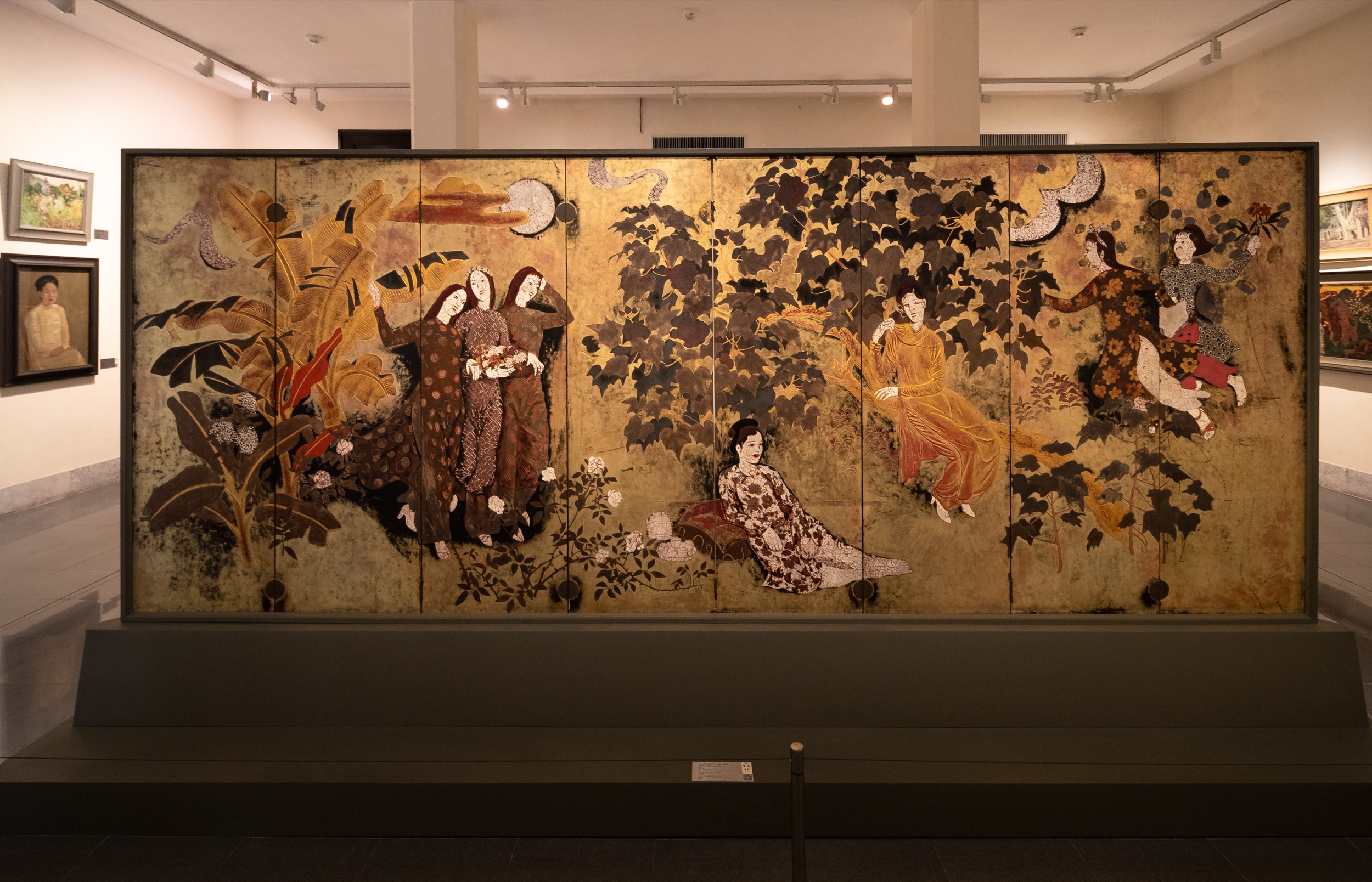
Today, the museum hosts regular special exhibitions in its 300-square-meter gallery space, while the landscaped gardens outside its main building form part of the visitor experience.
Though young compared to the long history of Vietnamese art, the museum has become a landmark of national pride. It has welcomed President Hồ Chí Minh, state leaders, foreign dignitaries, and countless visitors. In 1983, the government approved the expansion of its displays to include world art, strengthening its role as both a guardian of national heritage and a bridge to global artistic exchange.
For audiences at home and abroad, the Vietnam National Museum of Fine Arts offers more than a collection of objects. It is a place where the country’s layered past and creative present come together, a living testament to how art continues to shape, and be shaped by, the history of Vietnam.