
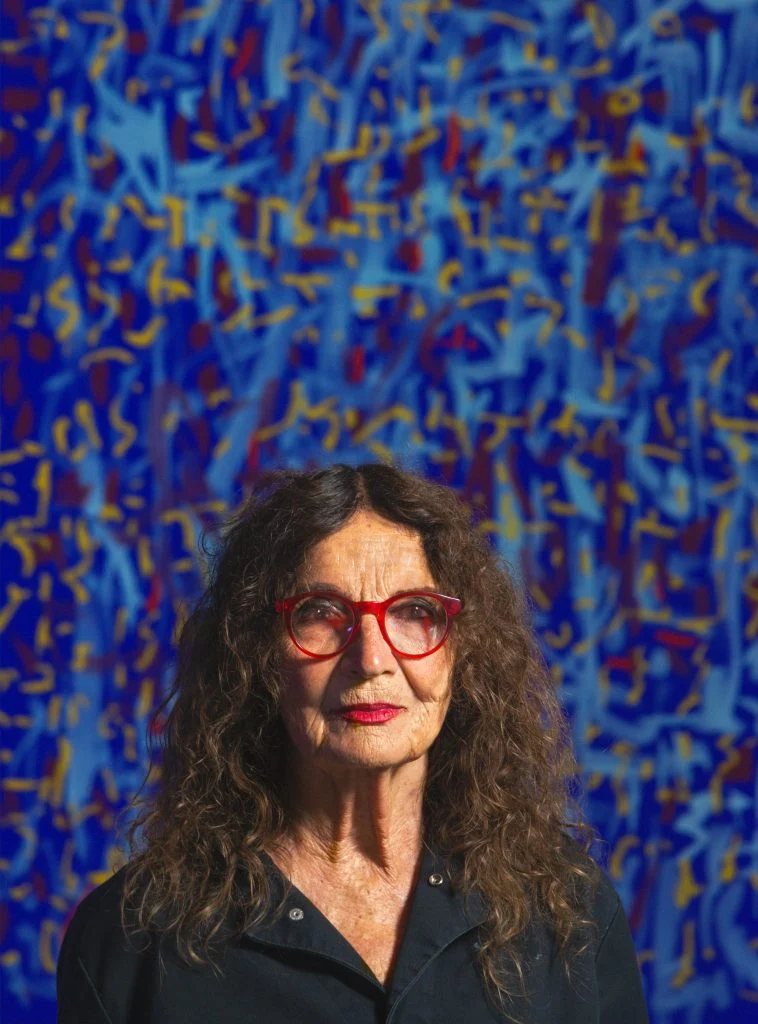
author SARAH GOTTESMAN
editor TÀN NHANG
source ARTSY
Leaving behind the studio, the gallery, and the museum, the Land Art artists of the 1960s and 1970s turned the surface of the Earth itself into their canvas. Art was no longer confined to the frame of a painting or the solidity of stone. It could take the form of soil, sand, wind, or light. It could disappear entirely, or leave a permanent trace across a landscape. And at times, it could exist beyond the systems of buying, selling, and ownership.
Using nature as a material for artistic expression was hardly new to many cultures outside the Western tradition, as the vast Nazca Lines etched into the Peruvian desert make clear. Within the history of Western art, however, Land Art represented a profound shift. Yet as the definition of art expanded, the image of the artist often became strangely narrow. Land Art came to be associated with the archetype of the rugged Western man: solitary, physically tough, operating bulldozers, guns, or cranes in an apparent conquest of the land. The reality was far more complex. Many women also entered these territories and played an important role in shaping the movement itself.
Money, as ever, was another question. Large-scale outdoor works demanded enormous resources, and one of the most significant sources of support was a woman: the influential art dealer Virginia Dwan. She helped make possible Robert Smithson’s Spiral Jetty (1970), Walter De Maria’s Lightning Field (1977), and Charles Ross’s Star Axis (1971–76), yet relatively few women artists received her backing.
In recent years, major exhibitions and new scholarship, including projects at SculptureCenter in New York and the Brooklyn Museum, have helped bring greater attention to the women artists who were long pushed to the margins of Land Art’s history. Their work, however, did more than fill a historical omission. It opened up alternative ways of thinking about art itself, and about how we understand, inhabit, and relate to the Earth.
AGNES DENES
Agnes Denes has recalled losing the ability to speak during her childhood, after moving from Budapest to Sweden and later to the United States, all before the age of sixteen. “Creativity had to find a way out, to move beyond the confines of the image,” she once reflected.
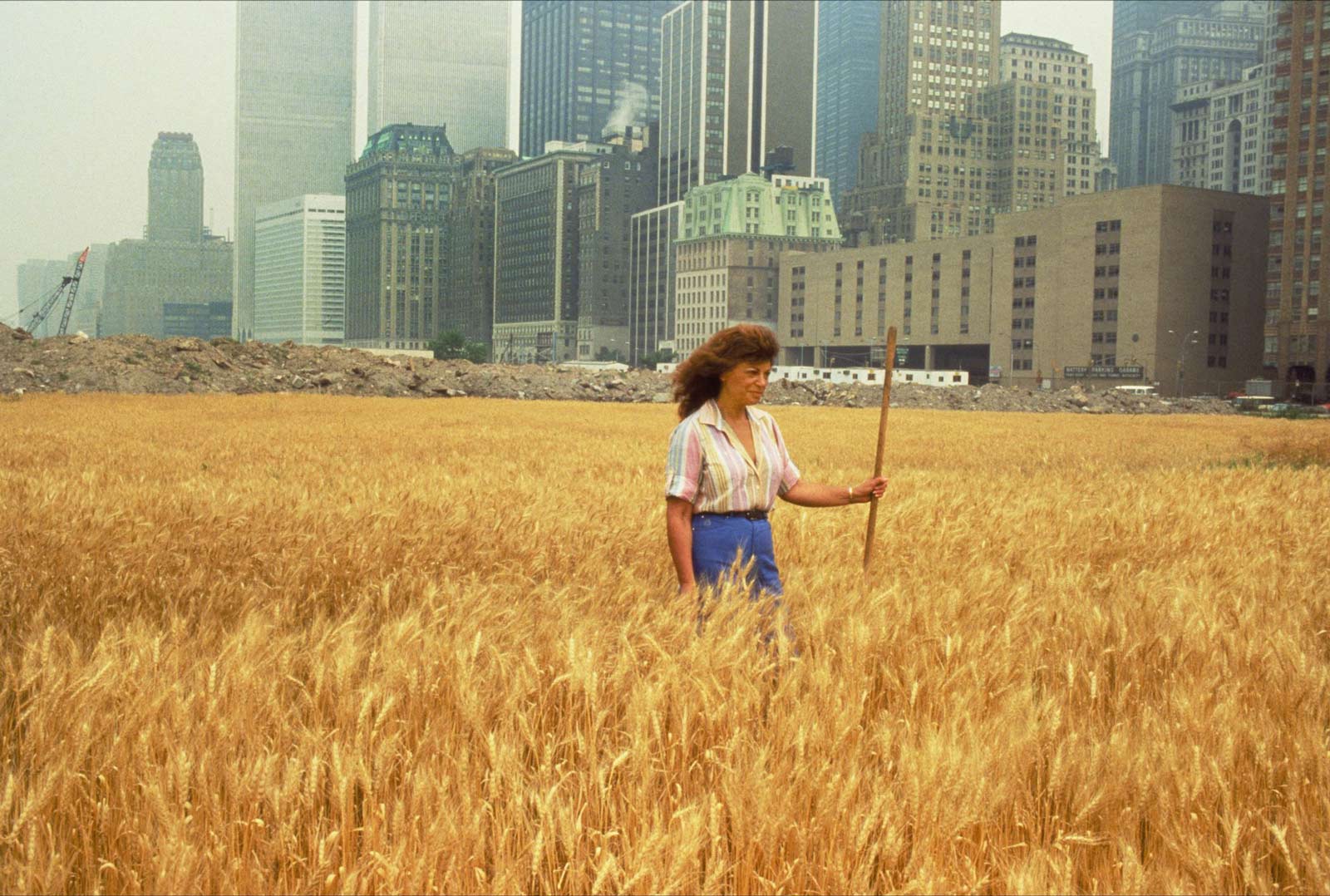
Beginning with painting, Denes soon turned toward new forms of artistic practice in the 1960s, developing public projects with an ecological focus. Over more than five decades, her work has moved across a wide range of concerns, from mathematics and philosophy to the environment. Her dealer, Leslie Tonkonow, has observed: “It is precisely this diversity that makes her work difficult to encompass as a whole. I think that is also one reason Denes has not become more widely known.”
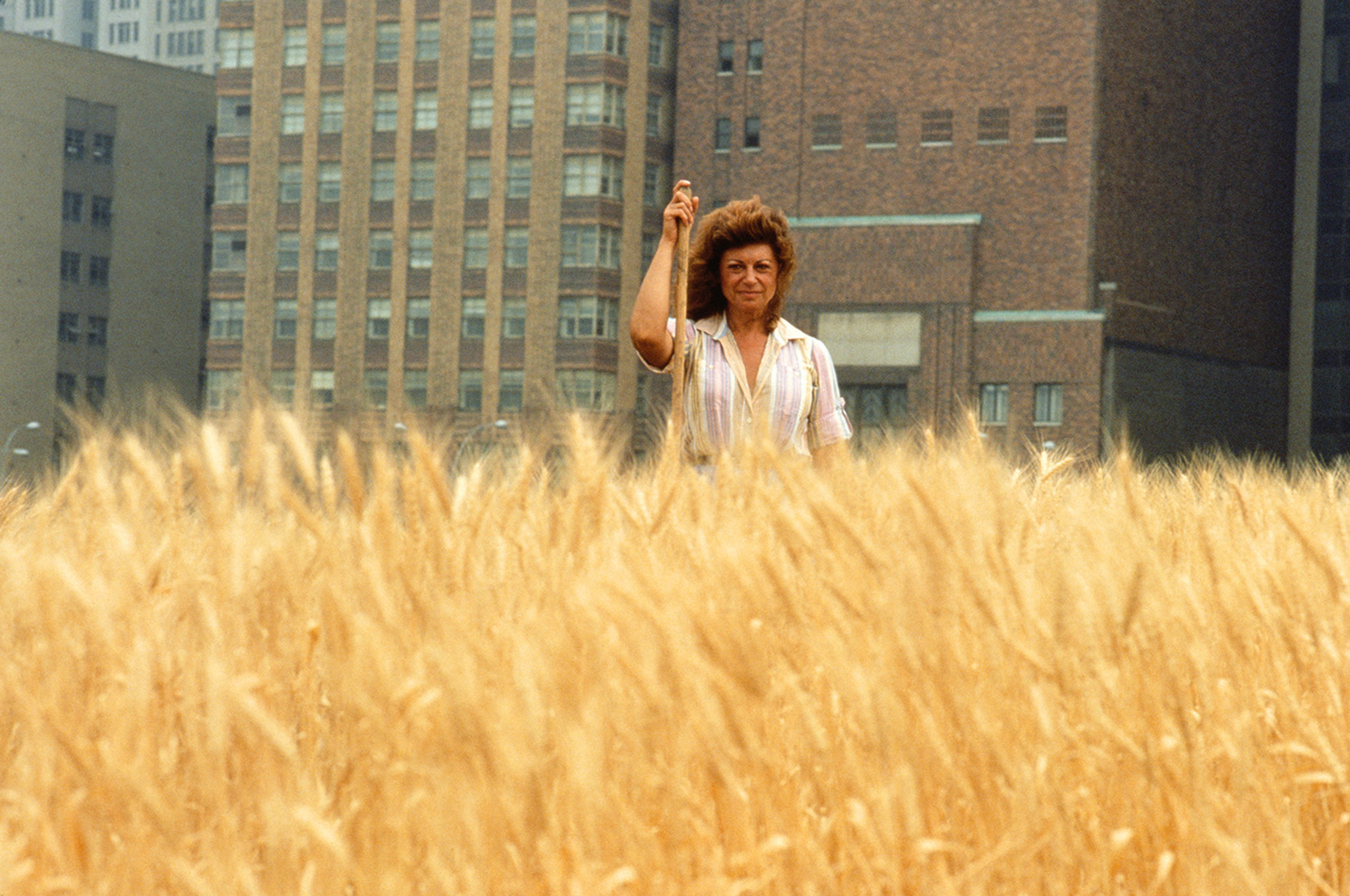
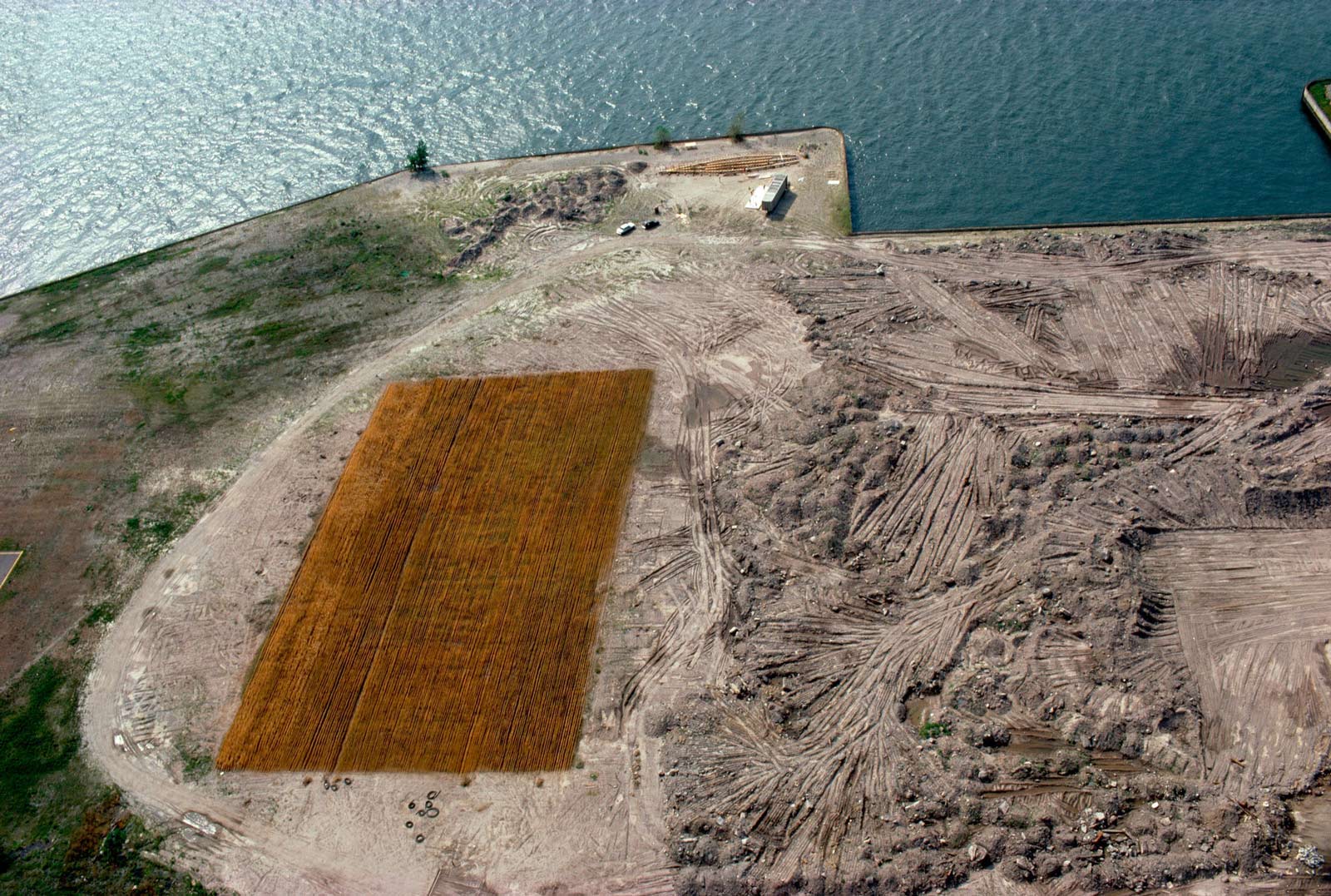
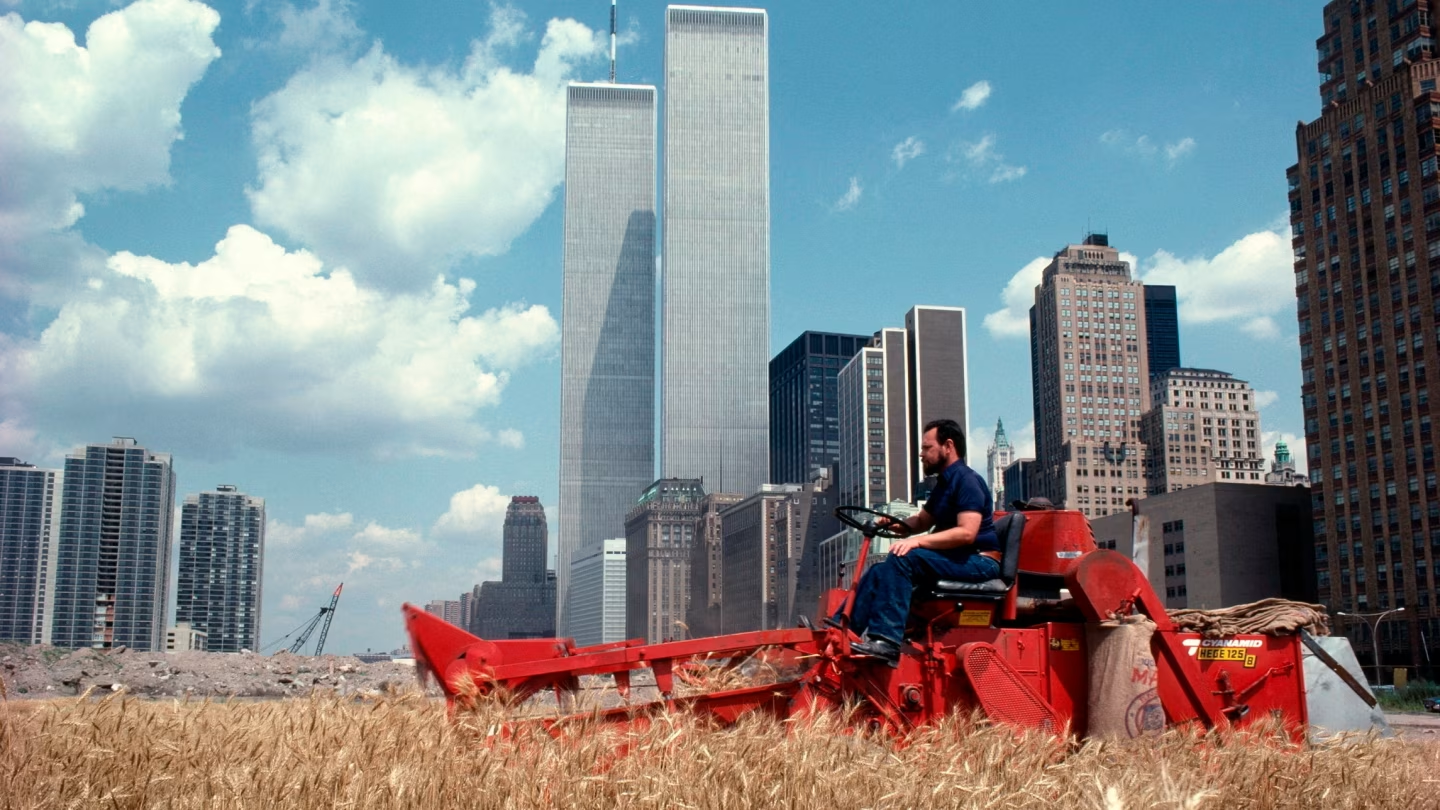
Denes is best known for Wheatfield – A Confrontation (1982), in which she transformed a vacant site in Lower Manhattan into two acres of shimmering golden wheat. With support from the Public Art Fund, she cleared the land, spread more than 200 truckloads of soil over the site, installed an irrigation system, and sowed the field. Four months later, she harvested more than a thousand pounds of wheat, which was sent to 28 cities as part of the exhibition The International Art Show for the End of World Hunger.
“I wanted it to make people rethink their priorities,” Denes said. More recently, at documenta 14 in 2017, she presented a curving pyramid made from planted earth, conceived as an organic monument that would continue to change over time.
NANCY HOLT
Nancy Holt began with photography, poetry, and video, but a decisive turning point came in 1968, when she travelled with her husband, the artist Robert Smithson, to the Las Vegas desert. “We had just stepped off the plane and were confronted by the vastness of the desert,” she later recalled. “I felt the landscape inside and outside me merge into one. The sensation lasted for days and kept me from sleeping.”
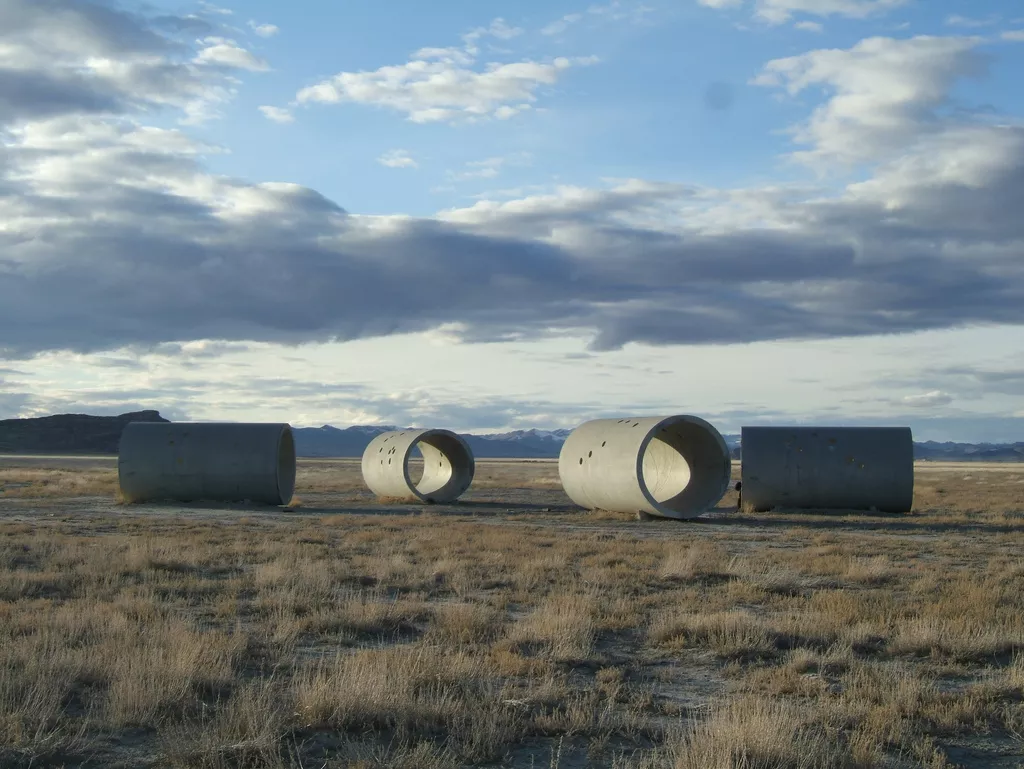
Holt remained in the American West and developed her own approach to Land Art: rather than inscribing the land, she sought to offer viewers a new way of perceiving the landscape. Her landmark work Sun Tunnels (1974–76) consists of four 18-foot-long concrete cylinders arranged in the Great Basin Desert to frame the rising and setting sun during the summer and winter solstices. Openings pierced into the surfaces of the tunnels correspond to the constellations Draco, Perseus, Columba, and Capricorn, allowing shafts of light to pass through their interiors.
Holt spent days living in the desert in her small Volkswagen, observing and documenting the changing light as it moved across these austere concrete forms.
ALICE AYCOCK
Born in Pennsylvania, Alice Aycock began making earthworks in the early 1970s, cutting into the landscape with deep pits, tunnels, and labyrinths. Many of these works required viewers to crawl or squeeze through dark, confined spaces, producing a sense of fear mixed with exhilaration.
“When I was six or seven, I was afraid to fall asleep because I thought I might fall into an endless darkness,” she recalled. “That sense of vulnerability in the world has never left me.”
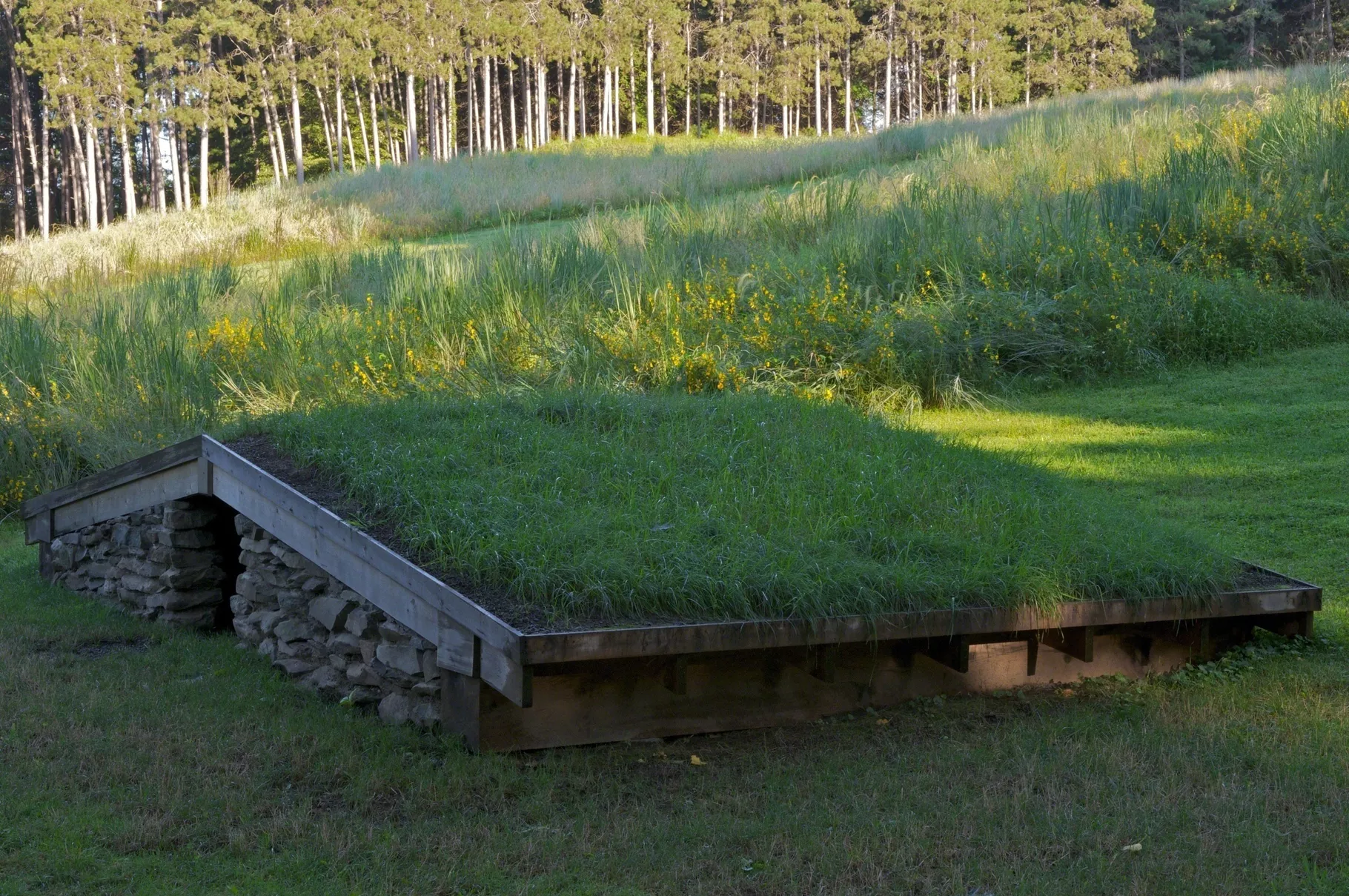
In 1973, working with her mother, Aycock created Low Building with Dirt Roof (For Mary) on the family farm. The work took the form of a structure almost buried beneath a grass-covered earthen roof, merging with the surrounding countryside. For Aycock, it brought together associations with a Greek tomb, a frontier dwelling, and childhood memory. The work could only be fully experienced by lying down within its narrow interior, bringing the body into close physical contact with the ground. In 2010, it was reconstructed at Storm King Art Center in New York.
LITA ALBUQUERQUE
“The earth is a natural canvas; I have always regarded it as a sculptural form in space.”
For her, humanity’s first steps on the Moon in 1969 marked a profound shift in artistic perception, comparable to the discovery of perspective during the Renaissance. From that point on, she began creating projects that could only be fully understood from above, including large-scale pigment drawings spread across the Mojave Desert, Washington, D.C., and the Giza Plateau.
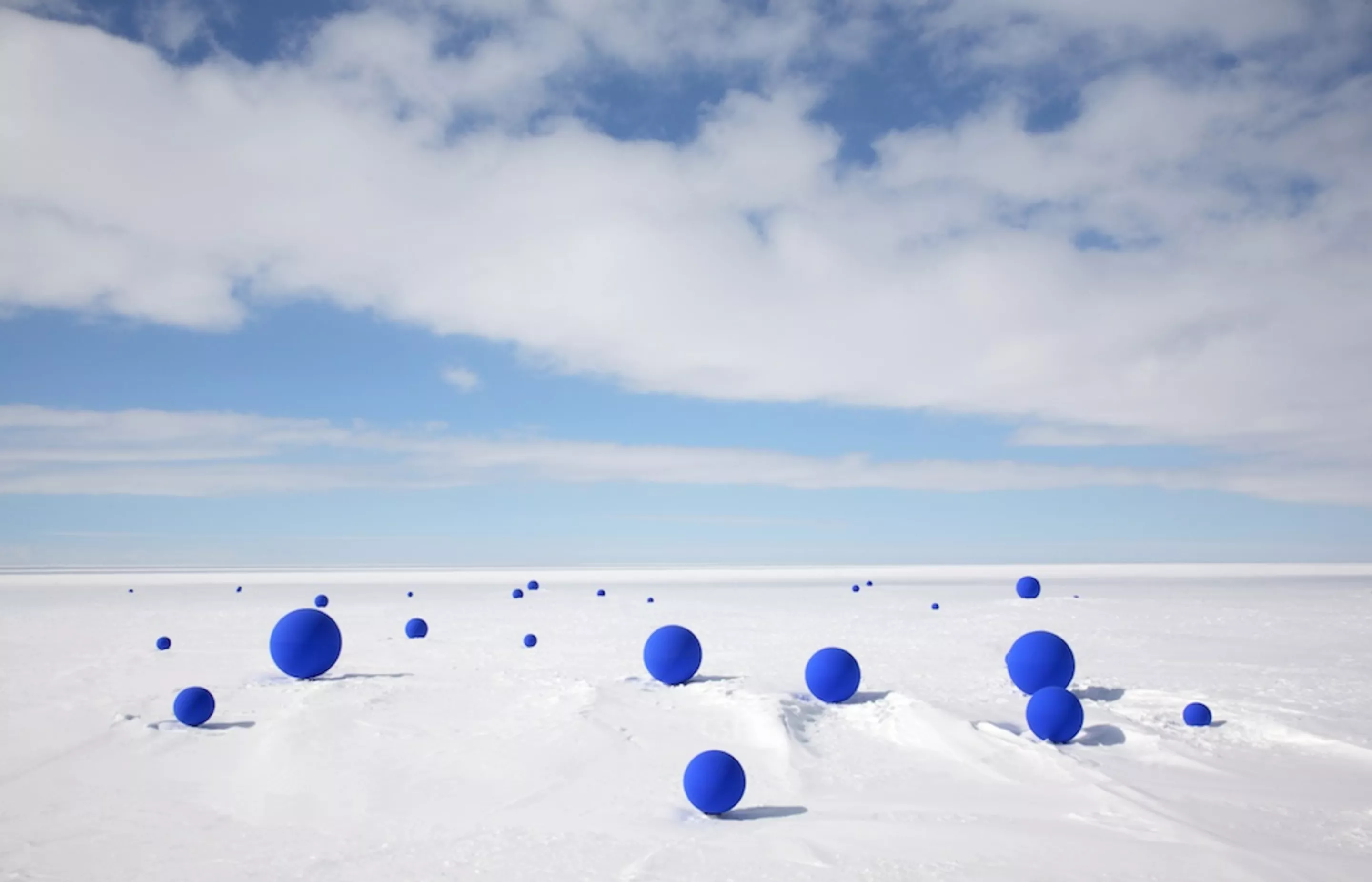
Stellar Axis: Antarctica (2006), supported by the National Science Foundation, represents the culmination of this pursuit. The work consists of 99 blue spheres placed across the snow, each corresponding to the position of one of 99 stars overhead. As the Earth rotates, the relationship between the spheres and the sky continually shifts, marking the passage of time and the movement of space.
“I want people to look up and outward, rather than down and inward,” she said.
BEVERLY PEPPER
Born in Brooklyn, Beverly Pepper spent much of her life in central Italy. “I wanted to bring people out of buildings and into places where they could encounter one another, like the outdoor cafés of Rome,” she said.
Largely self-taught in welding, Pepper worked in American factories during the 1960s, where she was often the only woman on the shop floor. She went on to become one of the pioneering sculptors working with Corten steel. Alongside these works, she also developed a series of Earthbound Sculptures – monumental forms of earth and steel that appear to rise directly from the ground.
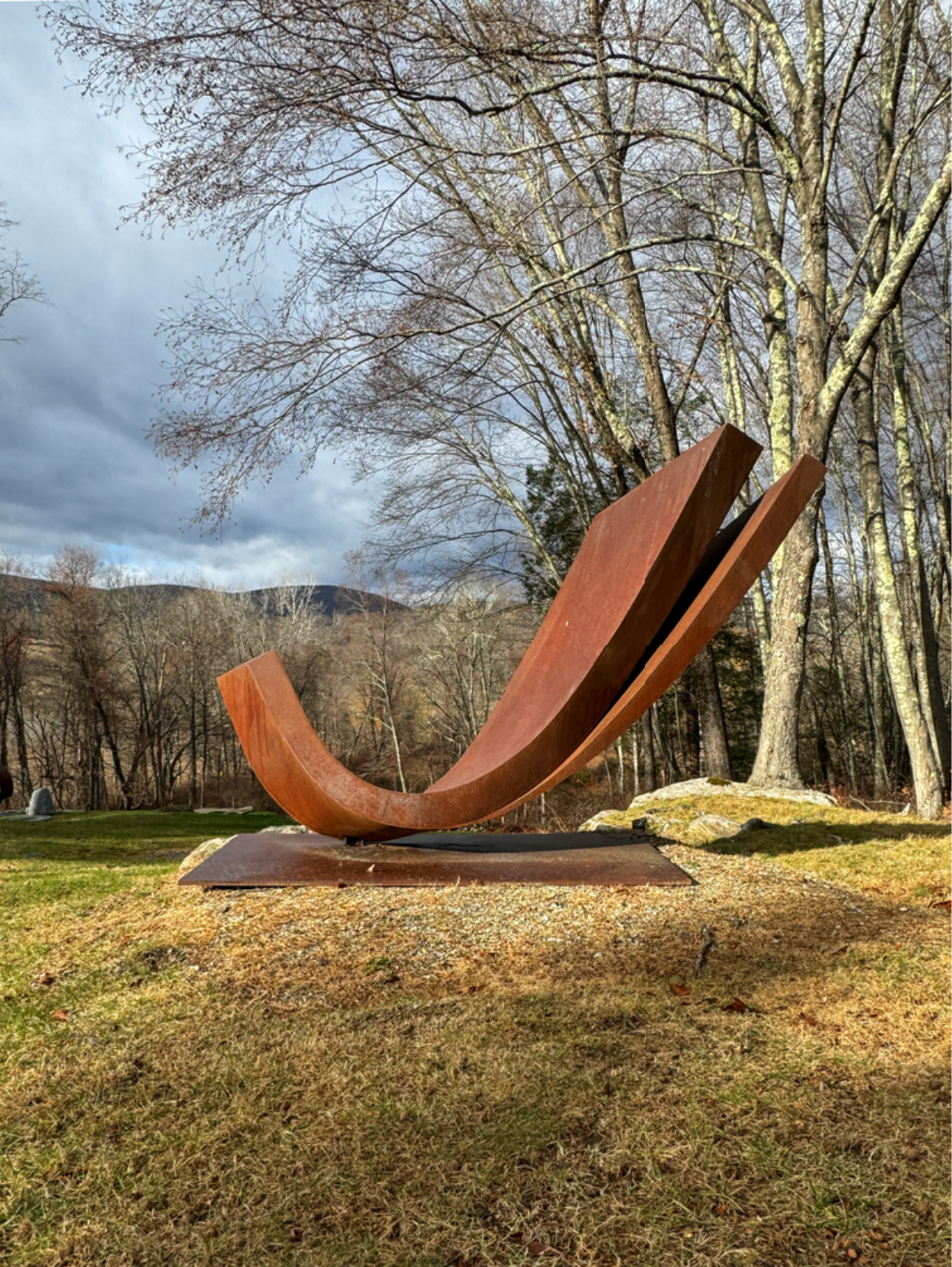
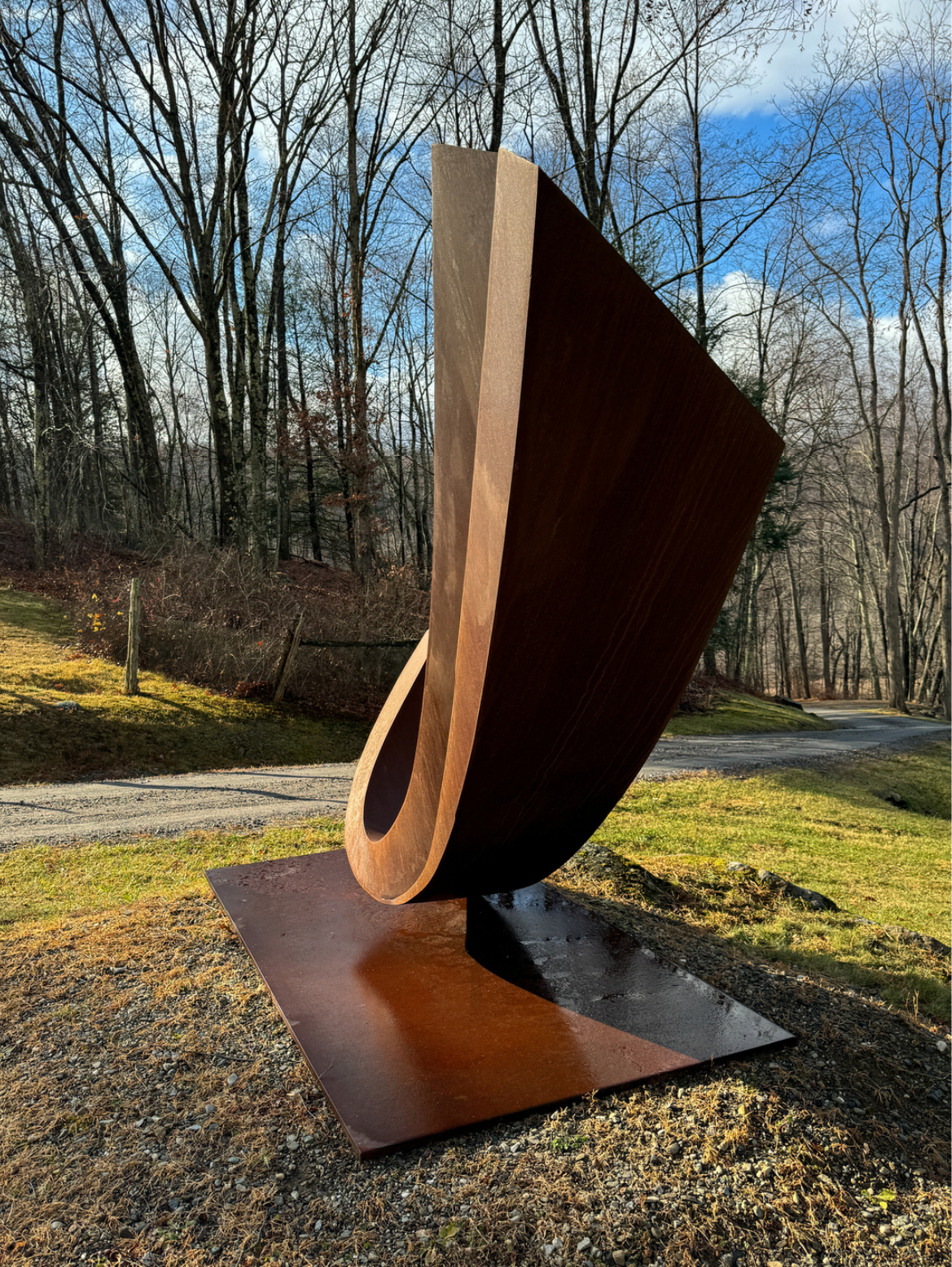
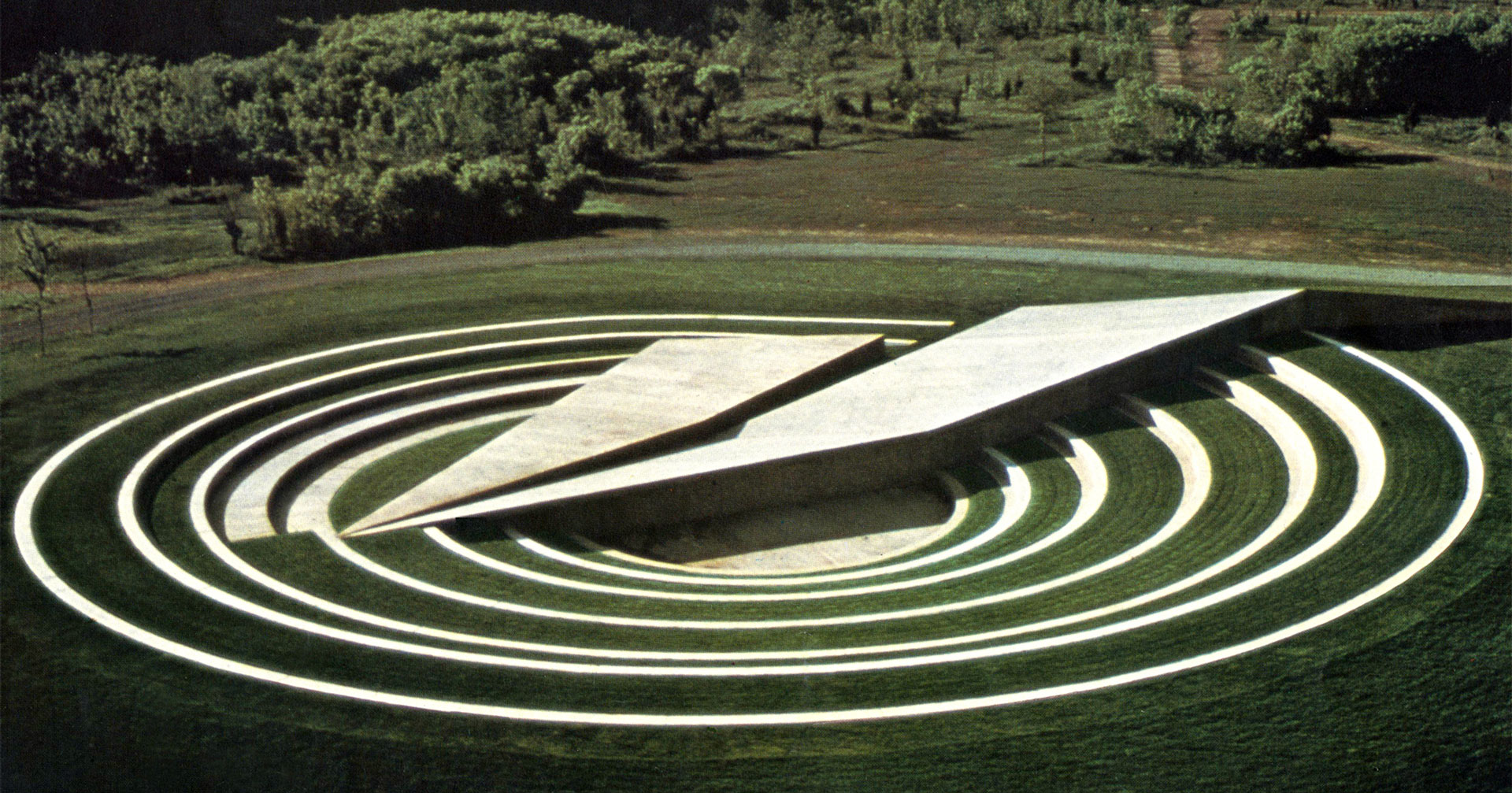
Her “earth amphitheatres,” such as Amphisculpture (1974–75) in New Jersey and Cromlech Glen (1985) in Missouri, transformed public space into places for gathering, resting, and observing.
Late in her life, at the Westchester home of producer Barry Weissler, Pepper returned to the amphitheatre form once more, creating a landscape of grass and granite that blended into its natural surroundings.
MARY MISS
Unlike Nancy Holt, who often worked in remote landscapes, Mary Miss chose to place her earthworks at the heart of urban life, in places such as Union Square Station and Beijing Olympic Park. She is interested in points of transition between natural elements and transforms them into spaces for exploration and reflection.
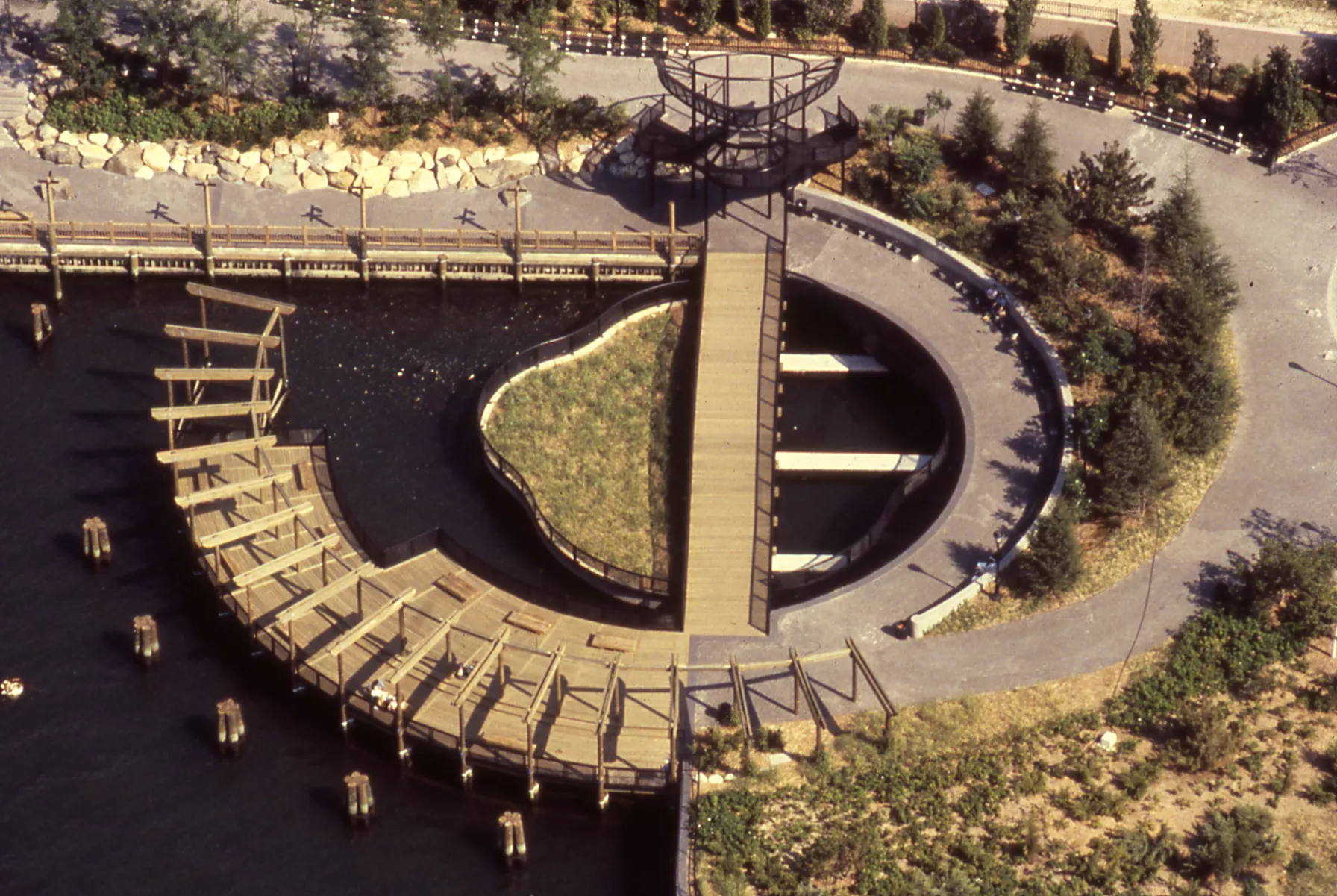
Her work South Cove (1984–87) in Manhattan combines columns, seating, walkways, and blue light, drawing people closer to the Hudson River and creating a moment of stillness within the city. “This whole ground is alive,” she has said. The project was developed in collaboration with architect Stan Eckstut and landscape architect Susan Child.
Today, Miss continues to expand these ideas through City as Living Laboratory, an organization that encourages urban communities to become more aware of environmental issues through public art.
ANA MENDIETA
Ana Mendieta was born in Cuba and moved to the United States at the age of twelve, growing up with her sister in a refugee camp in Iowa. Separated from her father, a political prisoner, she developed a lifelong search for a sense of belonging through the land.
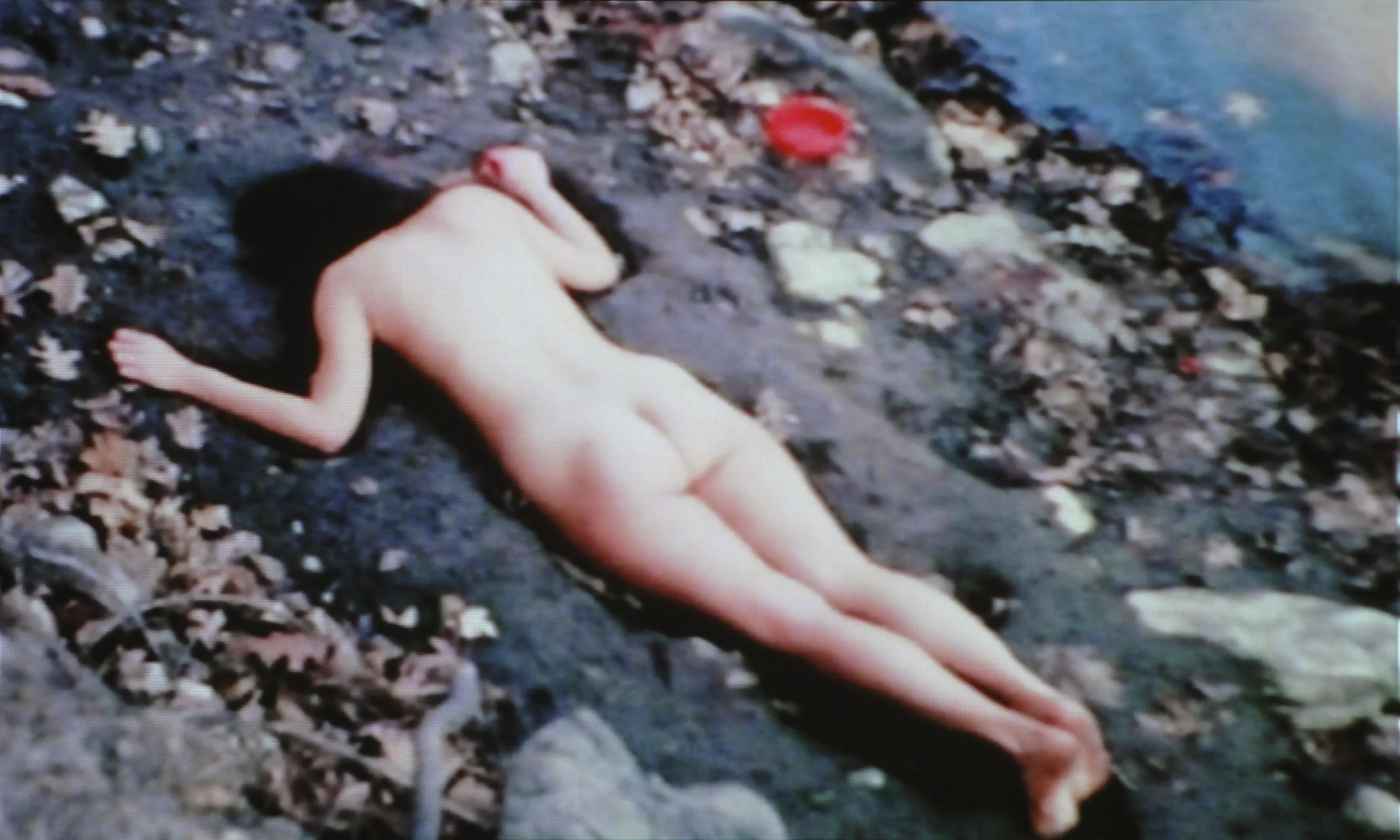
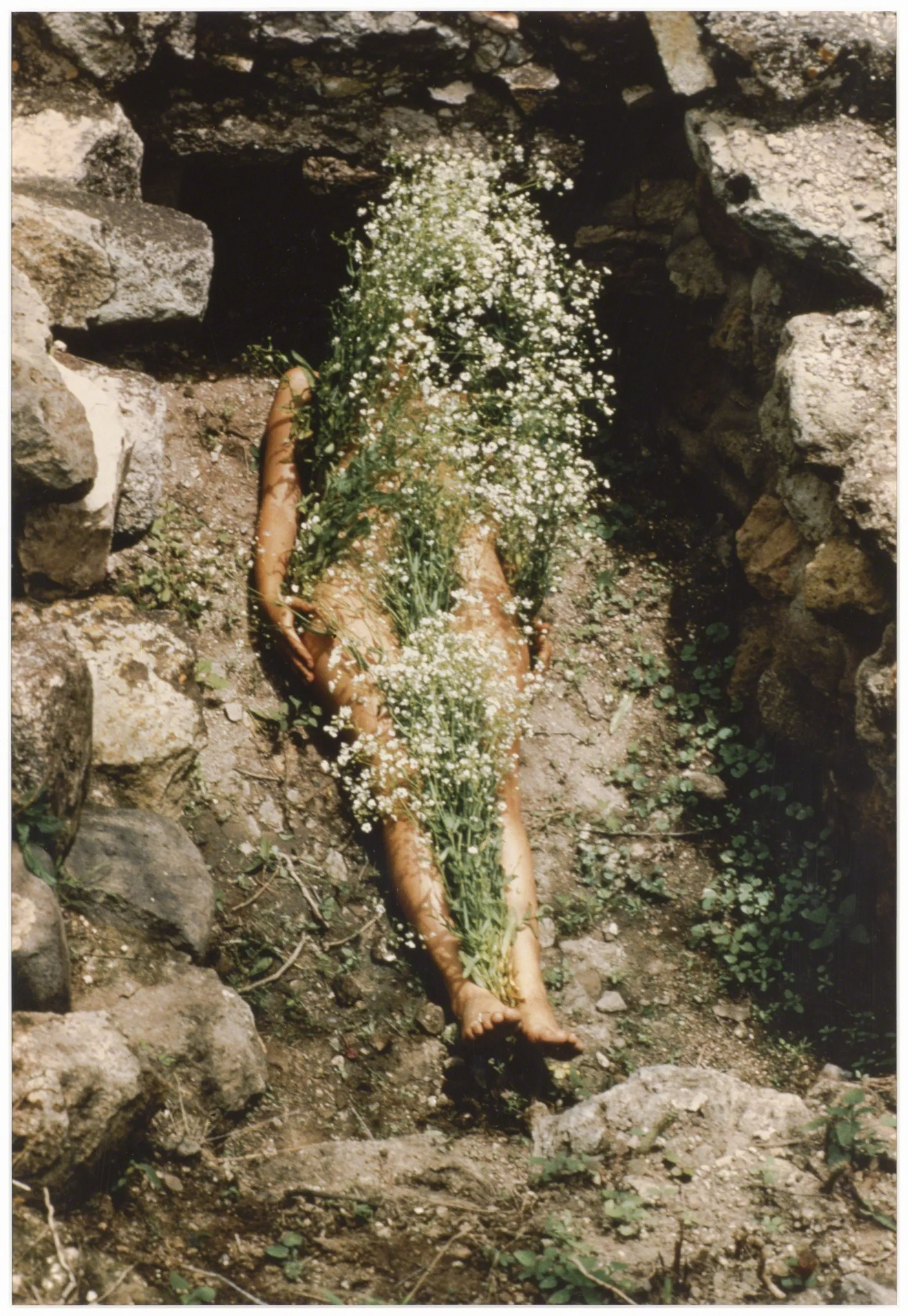
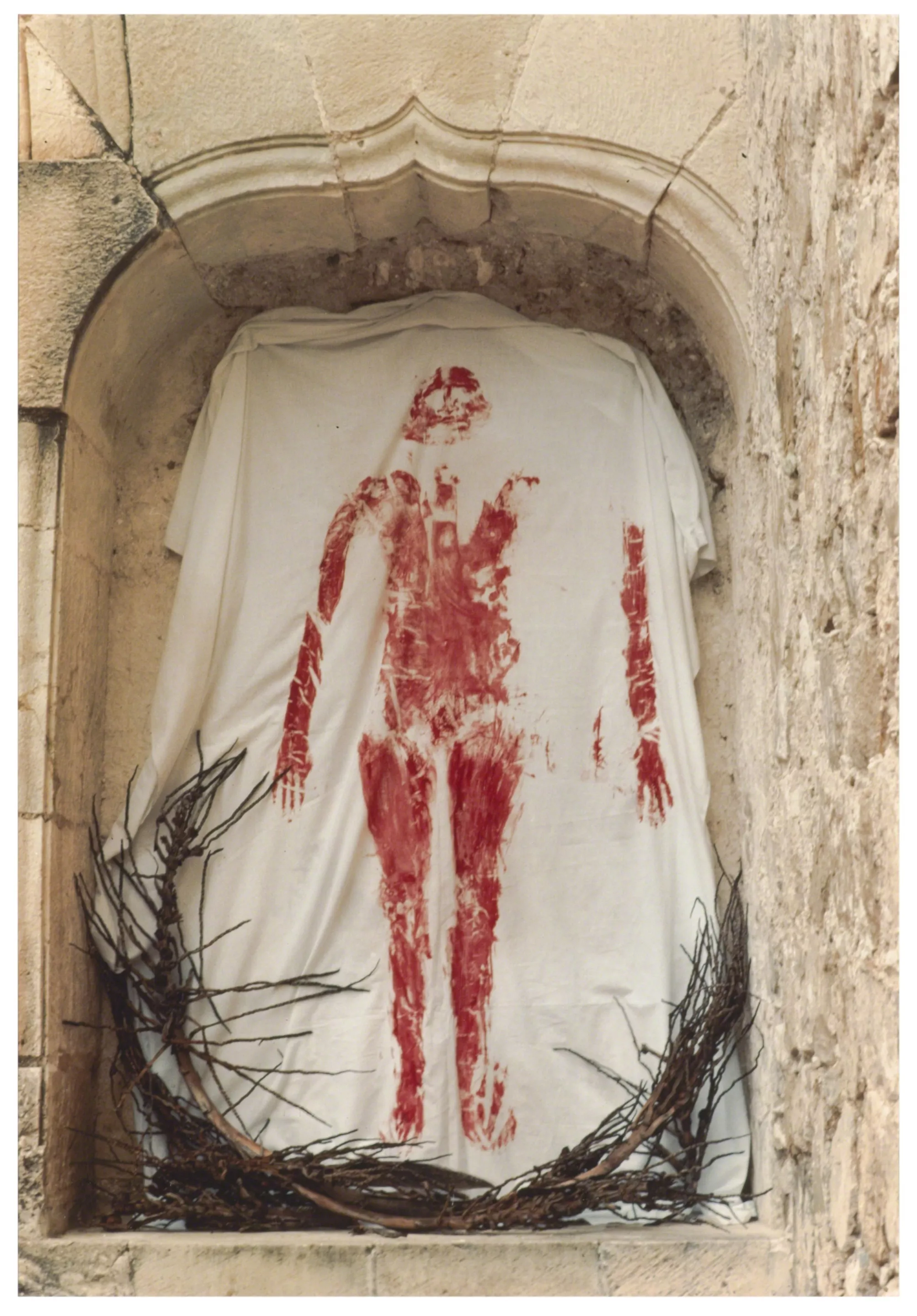
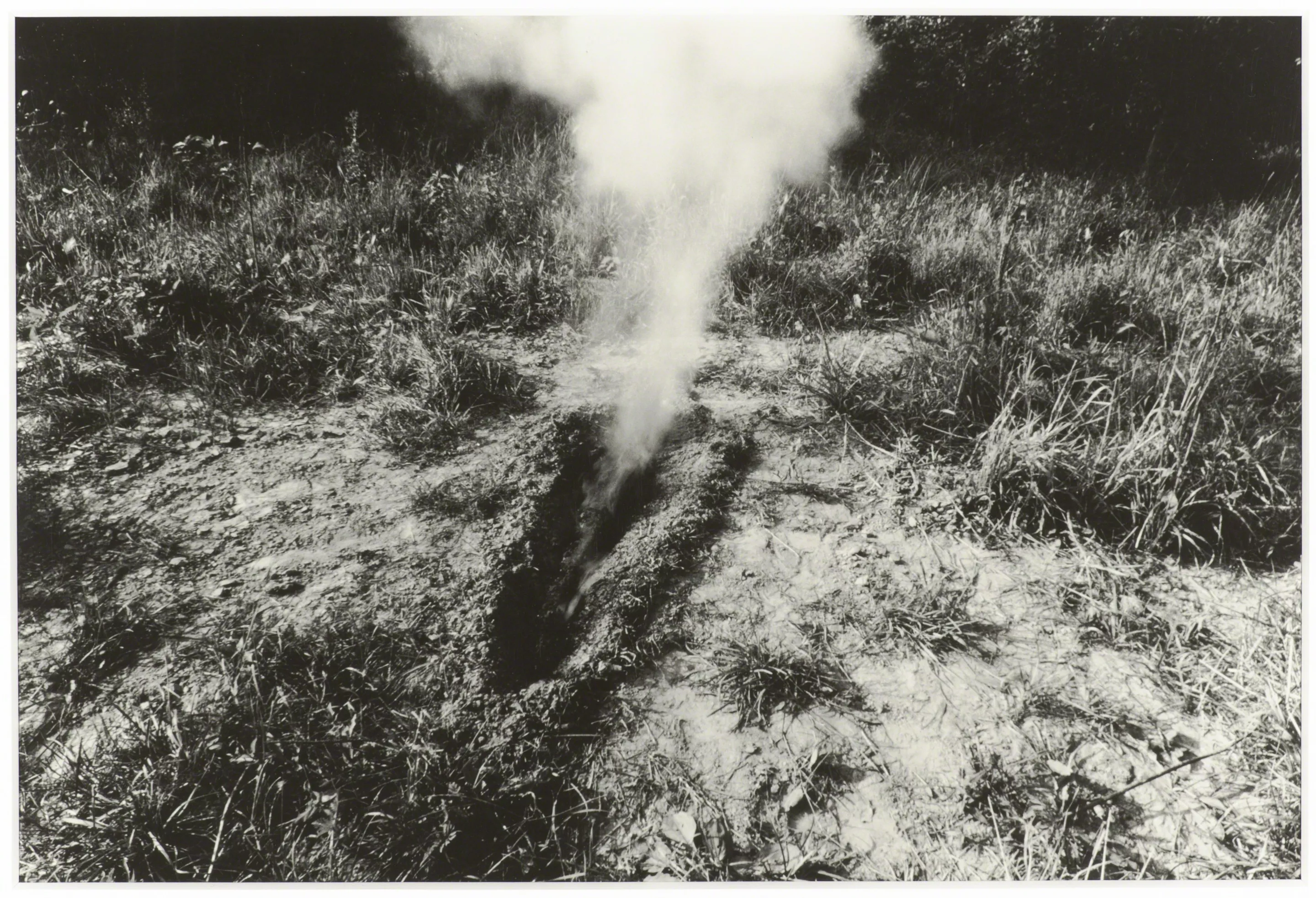
Her Silueta series (1973–1980) became the fullest expression of that longing. Mendieta merged her body with the landscape, covering herself with blood, flowers, feathers, or earth, and leaving traces of her presence imprinted on the ground. She described these works as “earth-body” pieces, bringing together ritual, performance, and nature.
Her death in 1985, at the age of 35, remains the subject of enduring controversy. After she fell from the couple’s 34th-floor apartment, her husband, the Minimalist sculptor Carl Andre, was charged with murder and later acquitted. In the years that followed, activist groups such as WHEREISANAMENDIETA emerged to commemorate her work and to draw attention to gender-based violence.
MAYA LIN
In her final year at Yale, Maya Lin won the competition to design the Vietnam Veterans Memorial in Washington, D.C., at just twenty-one years old. The project secured her place in history and became a landmark of a new generation of Land Art.
The memorial is what Lin has described as a “counter-monument”, a V-shaped granite wall cut into the earth, at once austere and deeply restrained.
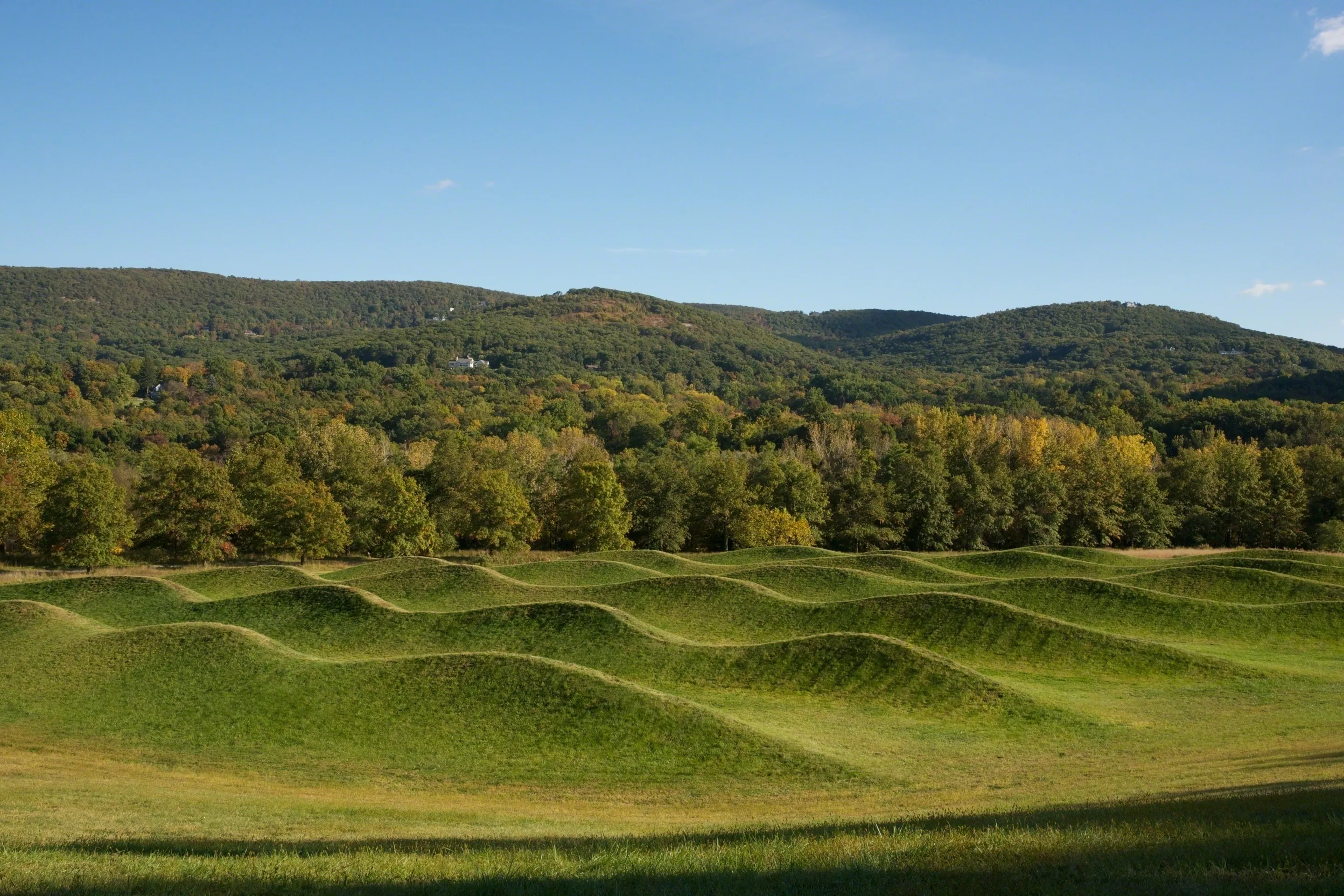
In 2008, she completed Storm King Wavefield at Storm King Art Center: eleven acres of land were shaped into seven undulating waves, rising between 12 and 18 feet. Walking into the work, viewers find themselves immersed in a rolling terrain of grass-covered swells and wildflowers. “I’m interested in creating a psychological space for the viewer,” Lin has said, noting that women artists such as Nancy Holt were a greater source of inspiration for her than more iconic works like Smithson’s Spiral Jetty.
MICHELLE STUART
“There is no deeper way to understand a place than through its earth,” Michelle Stuart has said. Born in California, she developed an early attachment to deserts, oceans, and mountains. After studying at the Chouinard Art Institute, now CalArts, she worked on topographic maps for the U.S. Army Corps of Engineers before travelling to Mexico to study pre-Columbian cultures.
There, she worked alongside Diego Rivera, but soon realised that political art was not where her own practice belonged. Instead, she returned to the earth, quite literally, becoming one of the pioneers in bringing the physical material of the land into the exhibition space.
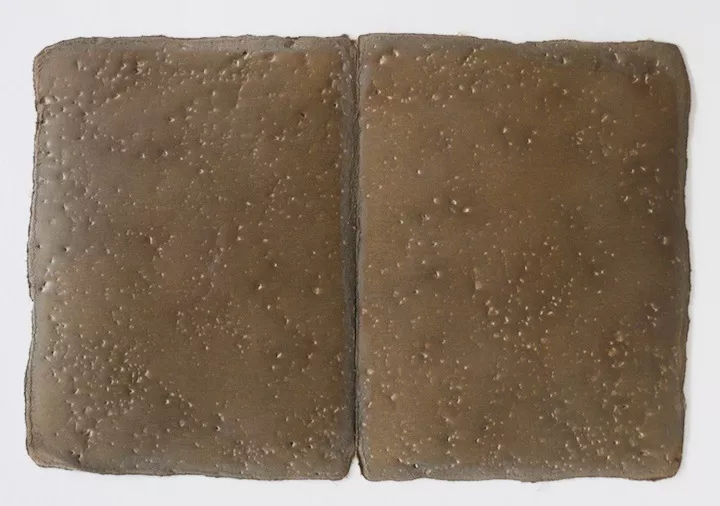
Her earth-rubbed paper works record the traces, textures, and colours of specific terrains. Among her most ambitious projects was a 460-foot-long scroll stretched along a mountainside in New York, marking the location of an ancient course of Niagara Falls. In 1976, she created Sayreville Strata Quartet using red clay from New Jersey; the work is now in the collection of Dia Beacon.
BEVERLY BUCHANAN
In 1981, Ana Mendieta organized the exhibition Third World Women Artists of the United States at A.I.R. Gallery, where she selected three works by Beverly Buchanan, an African American artist.
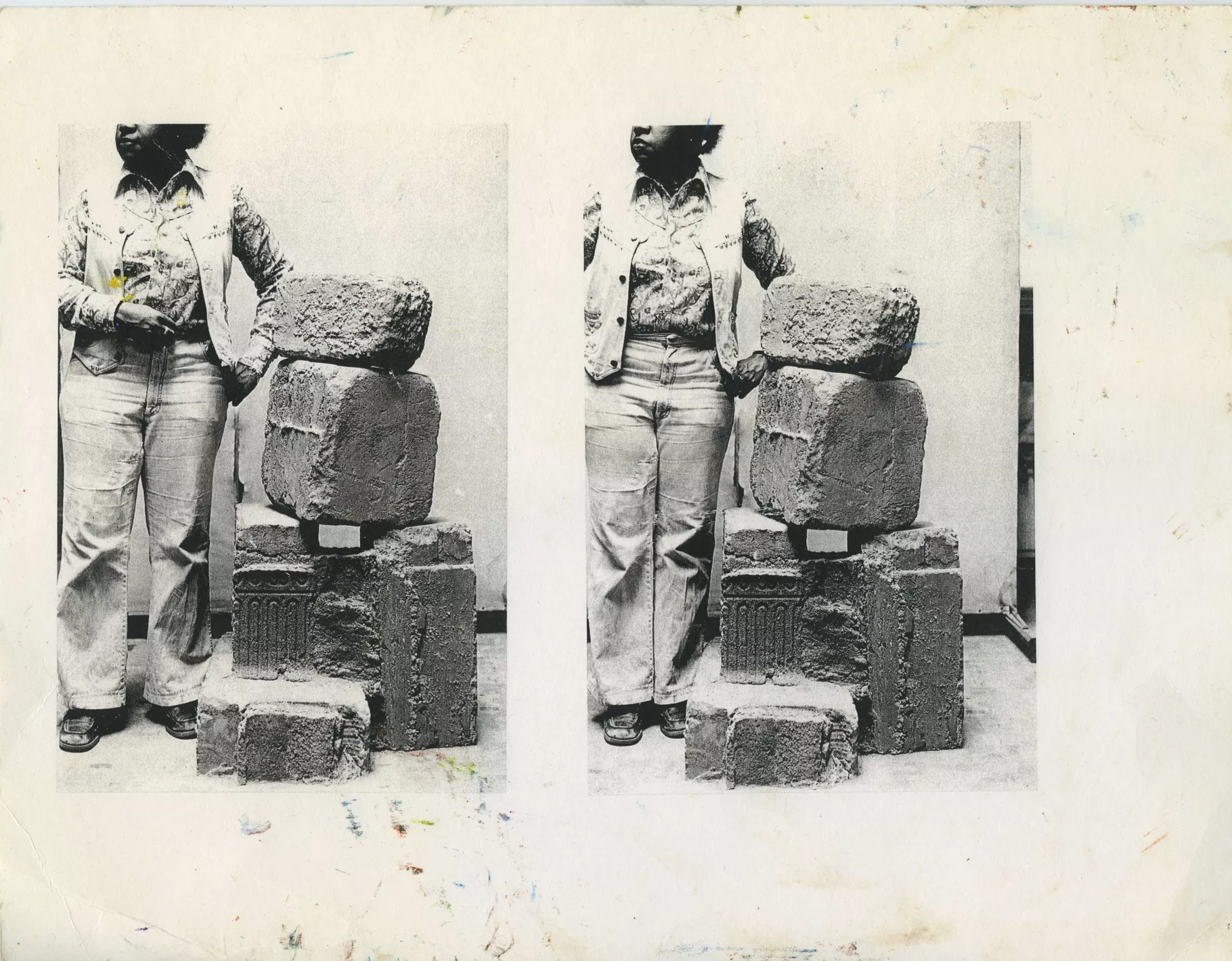
Buchanan worked in public health before turning to art, encouraged by Norman Lewis and Romare Bearden. Her practice engaged deeply with the history of the American South and the memory of Black communities, unfolding across sculpture, photography, video, and Land Art.
Marsh Ruins (1981) is among her most significant works: three concrete forms coated with a tabby mixture of sand, water, and lime, installed in the marshes of Glynn, Georgia, near the site associated with the 1803 mass suicide of enslaved people. Over time, the blocks cracked and gradually sank into the mud, a process Buchanan documented on video. These ruins whether read as symbols of cleansing, or as signs of the land’s inability to fully heal create a space for reflection.