
photo Jeremy Morris, Joanna Correia, Sara Pinheiro
edit Tàn Nhang
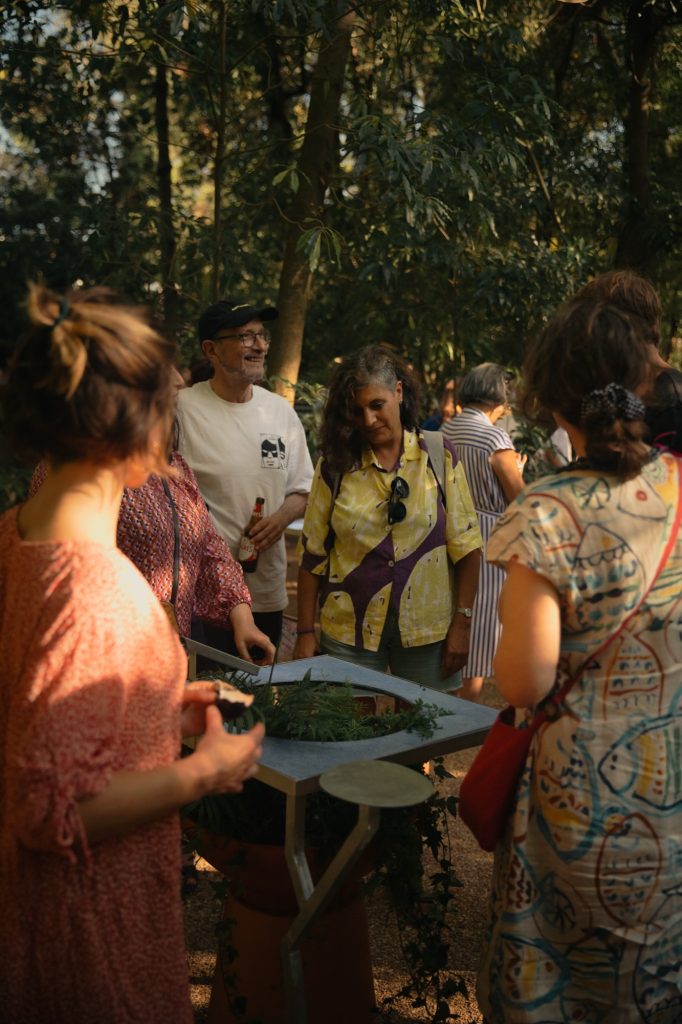
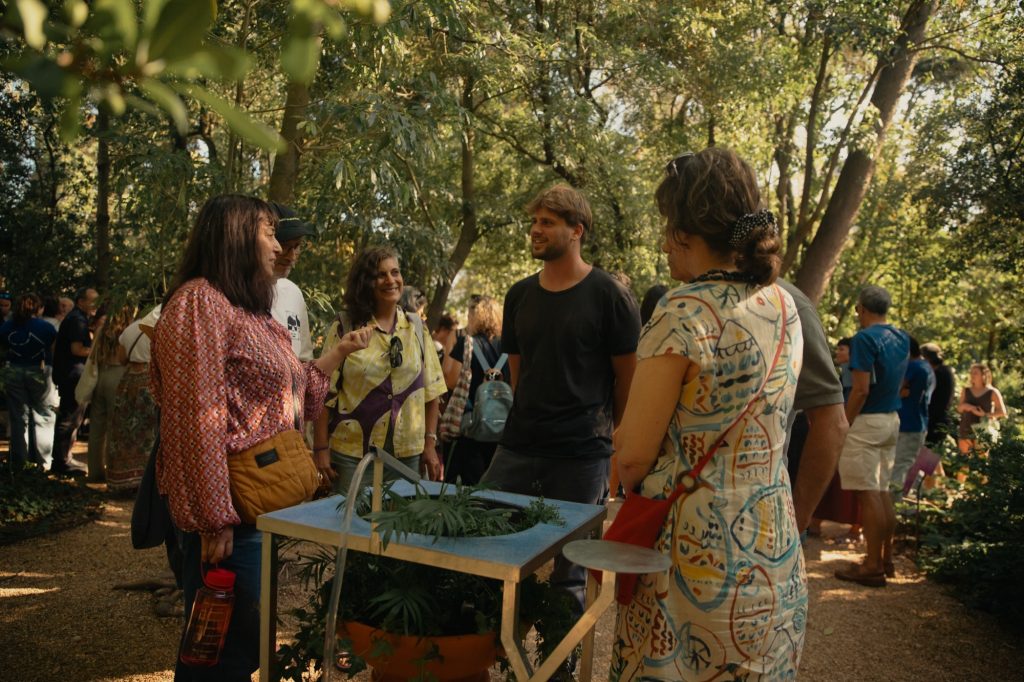
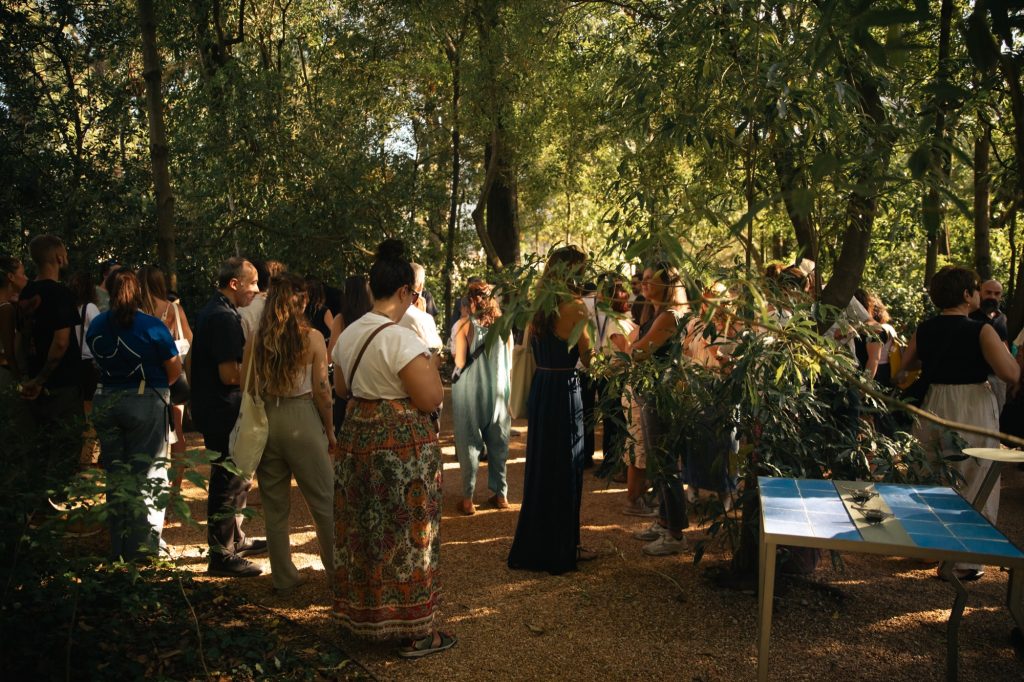
“From Tagus to Tile” is a design-art project by Fahrenheit 180º, presented in the garden of the Gulbenkian Museum of Modern Art in Lisbon.
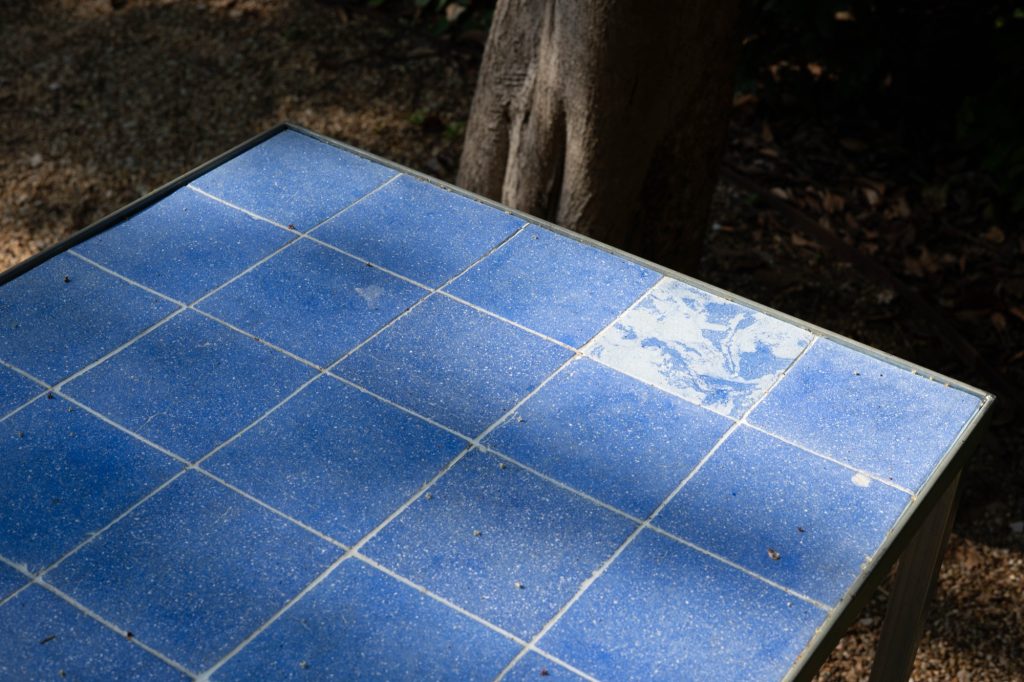
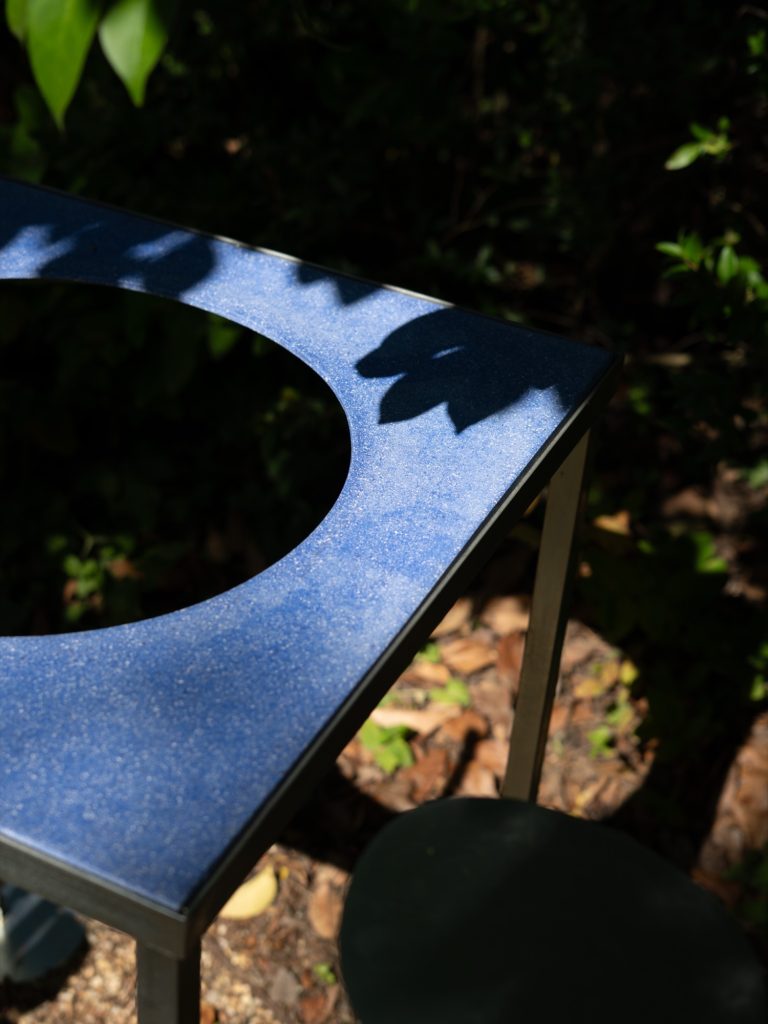
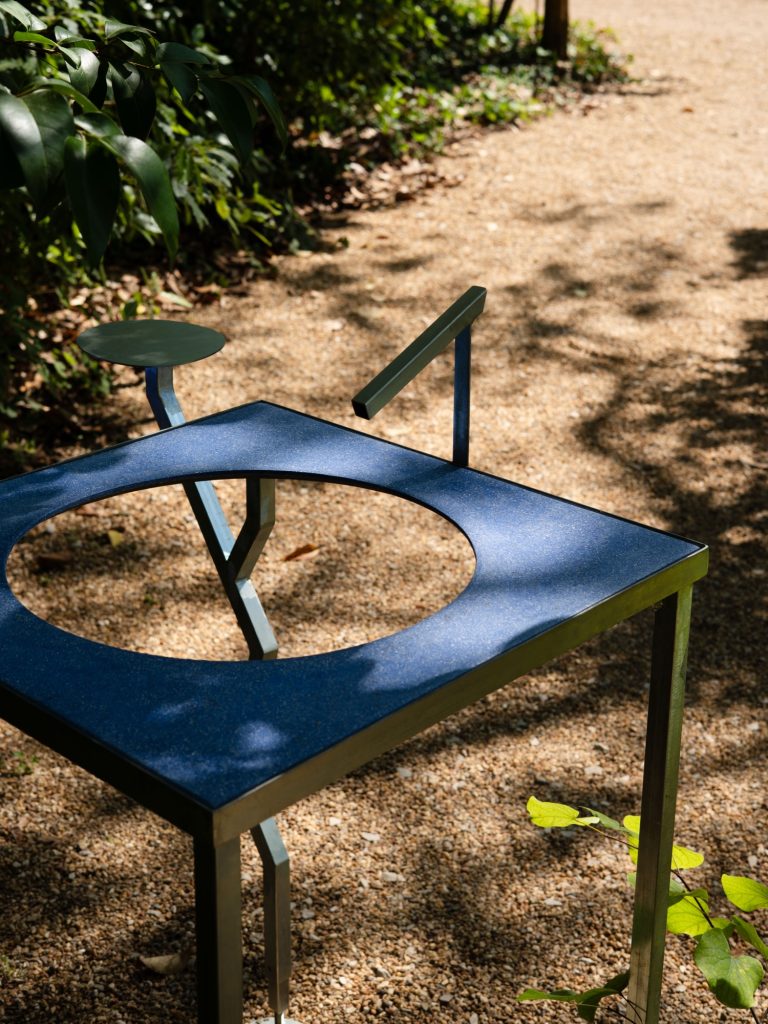
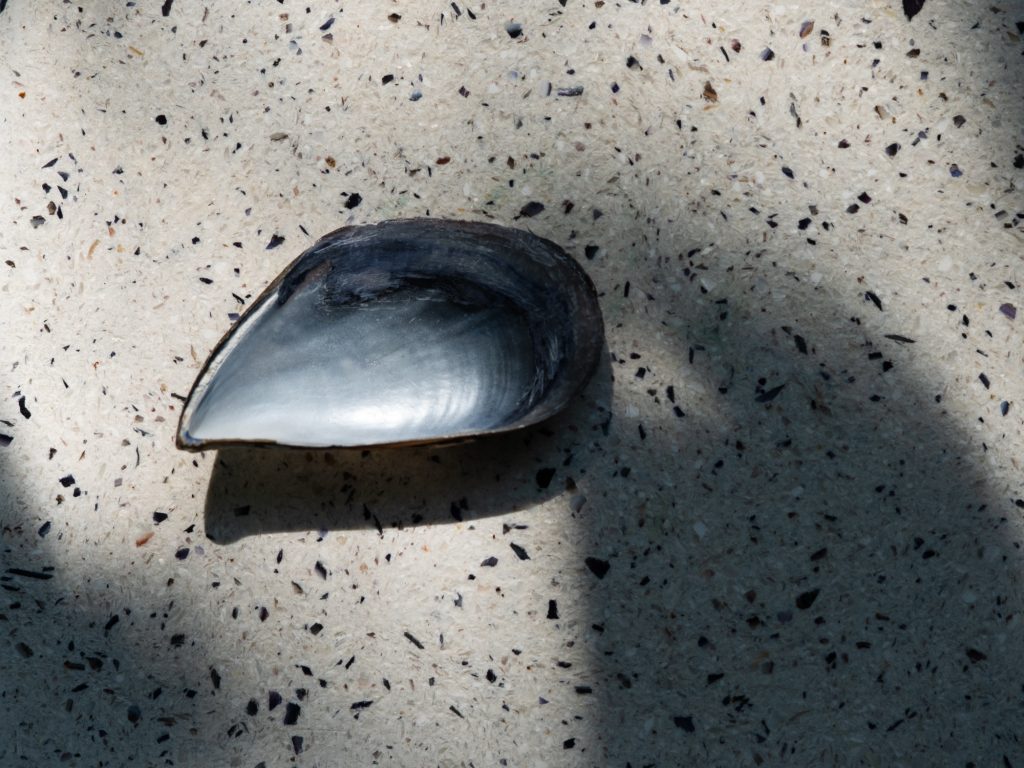
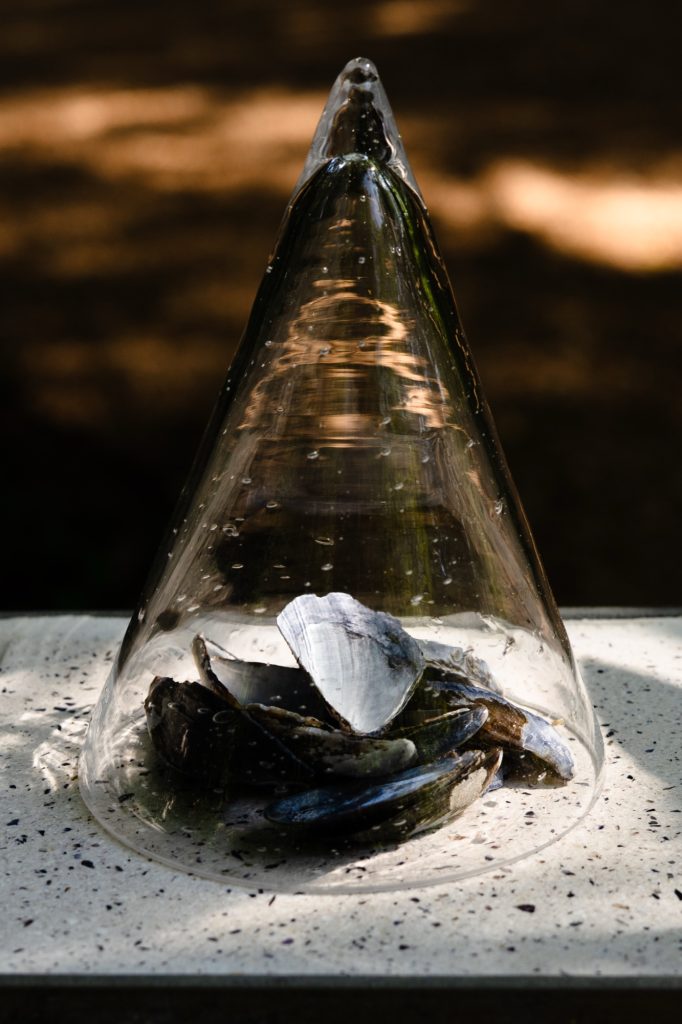
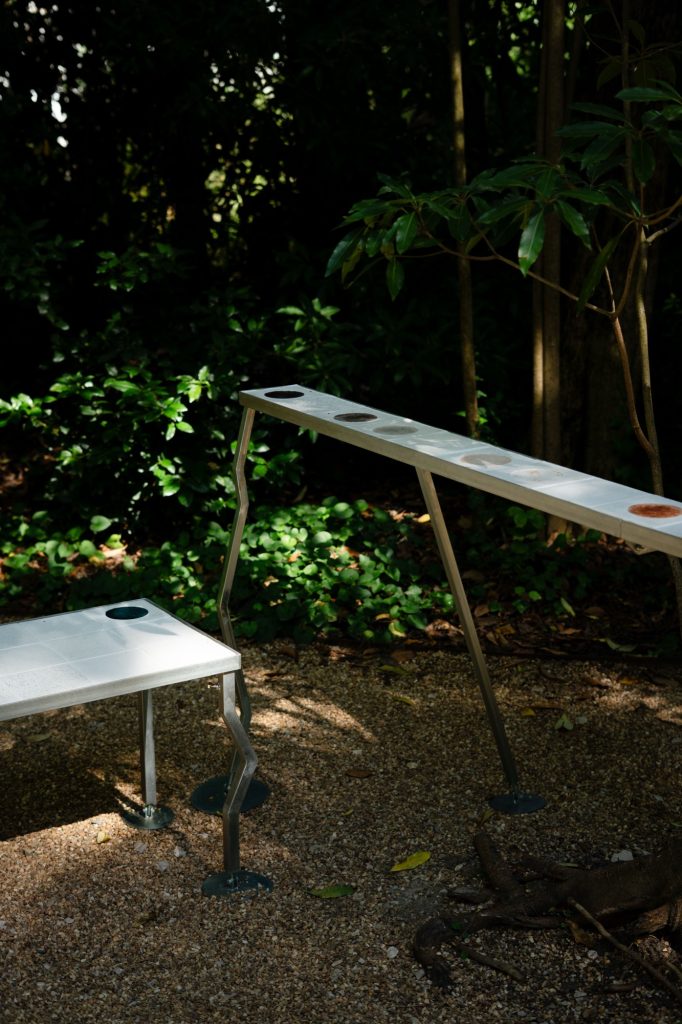
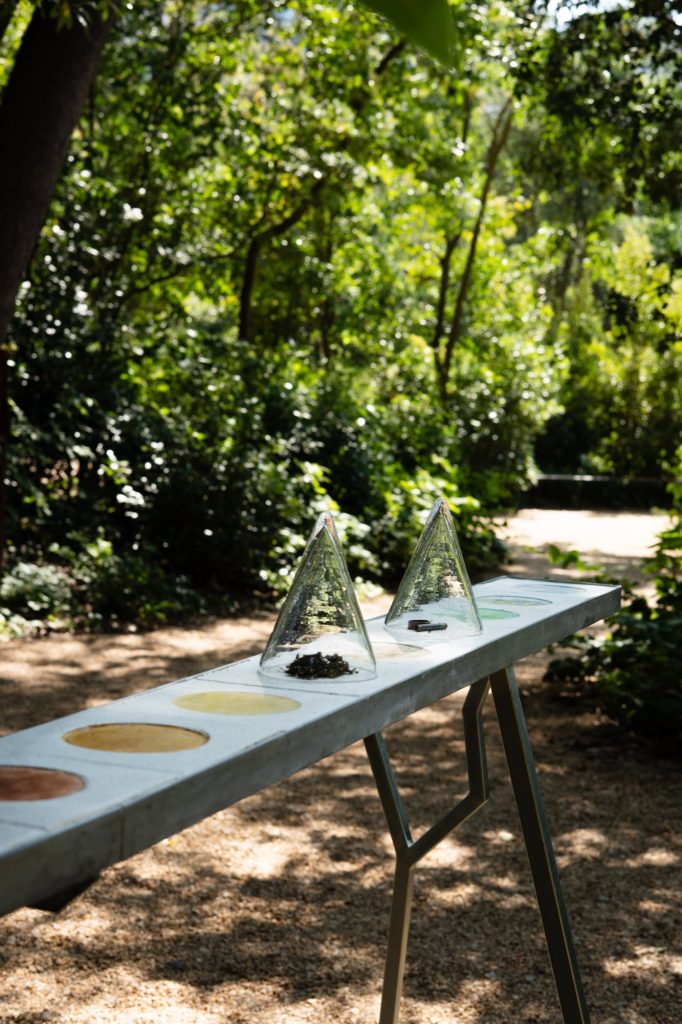
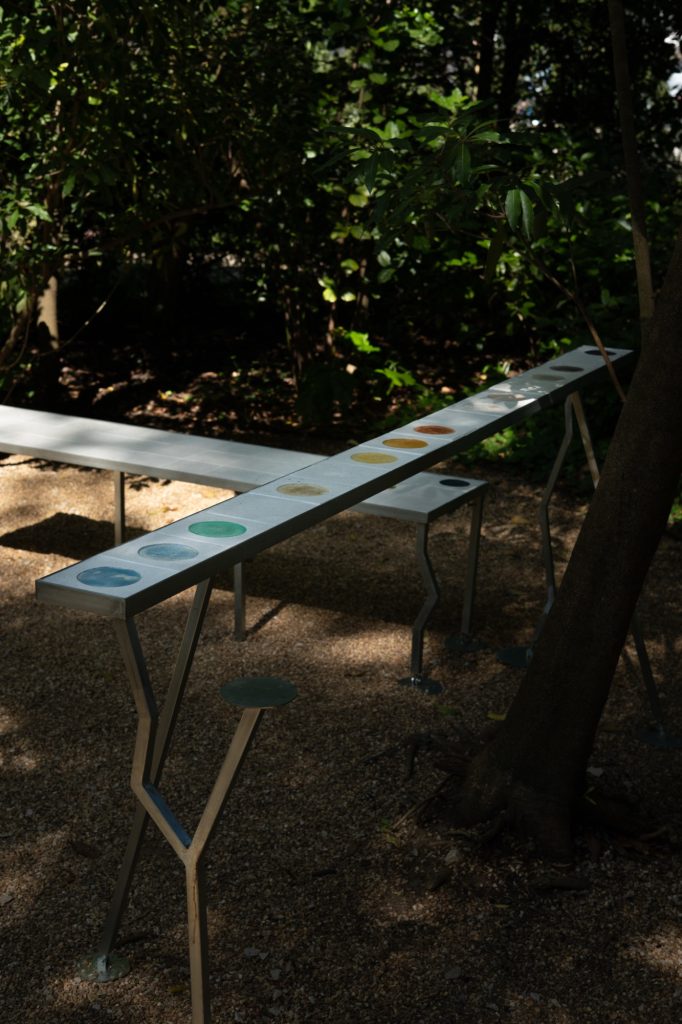
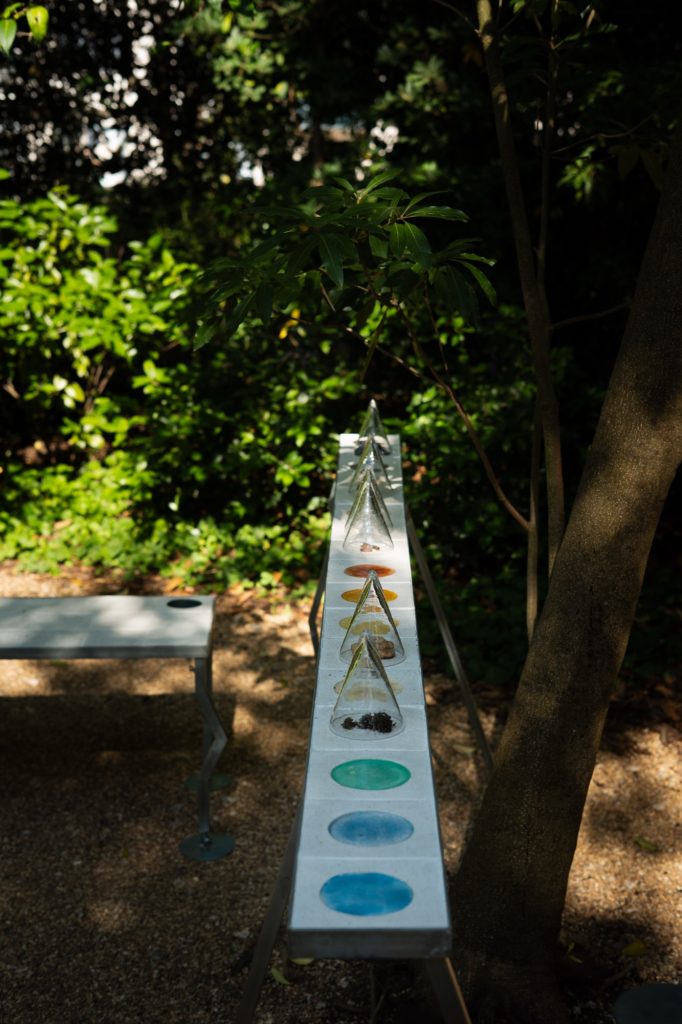
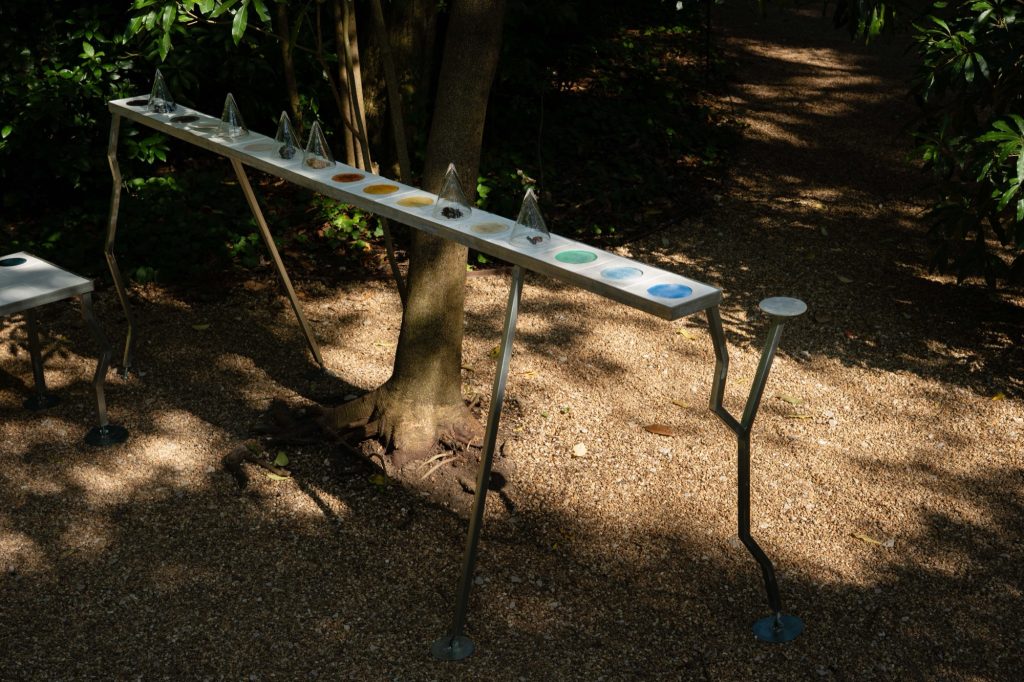
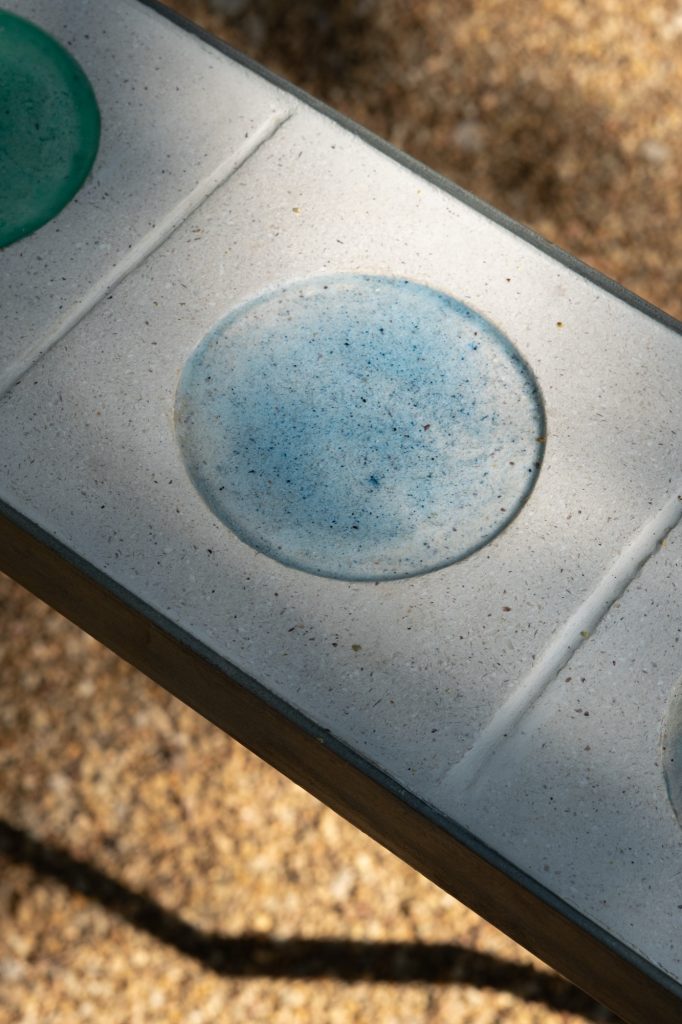
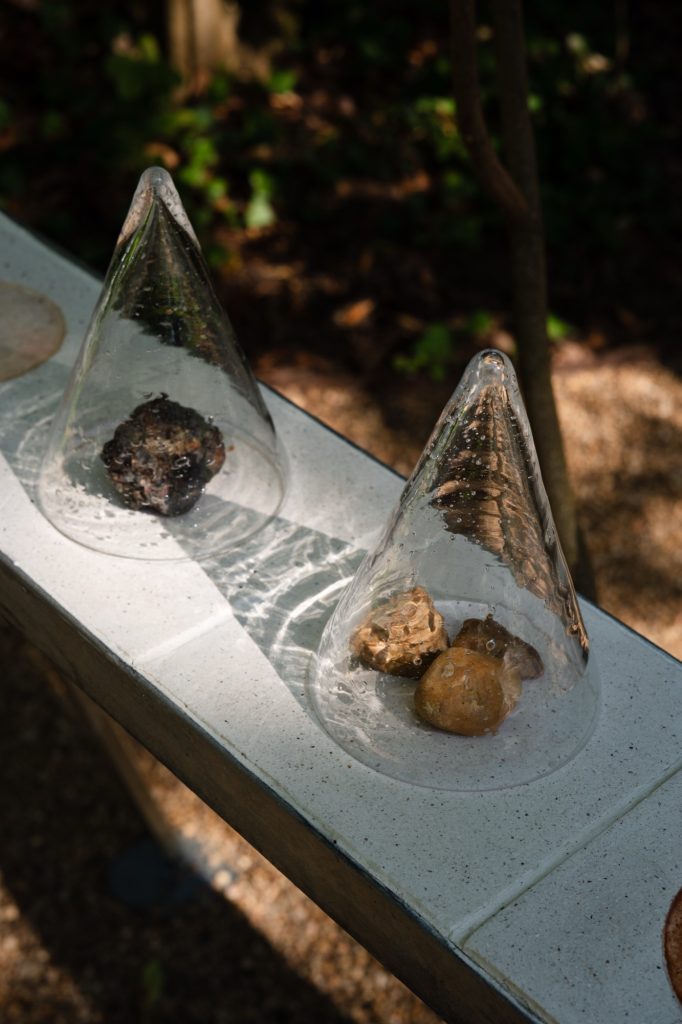
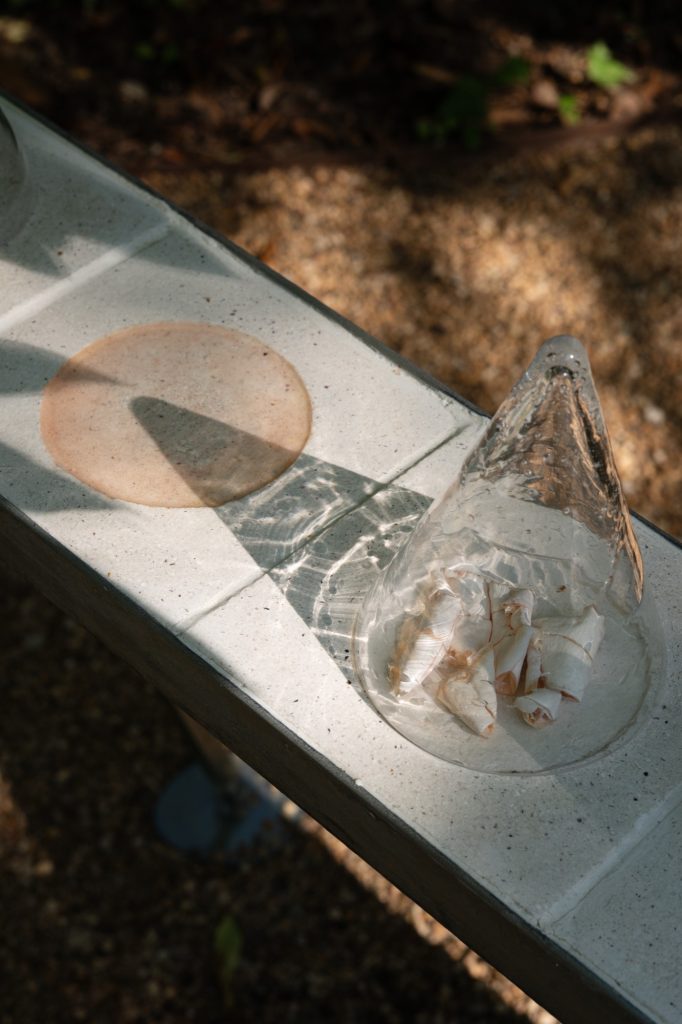
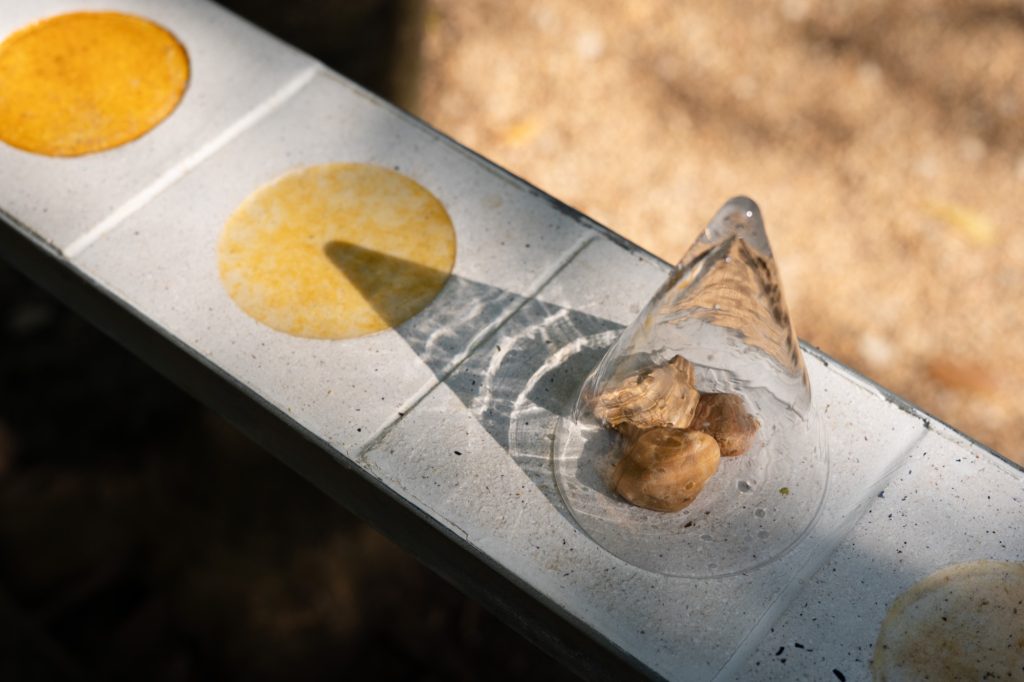
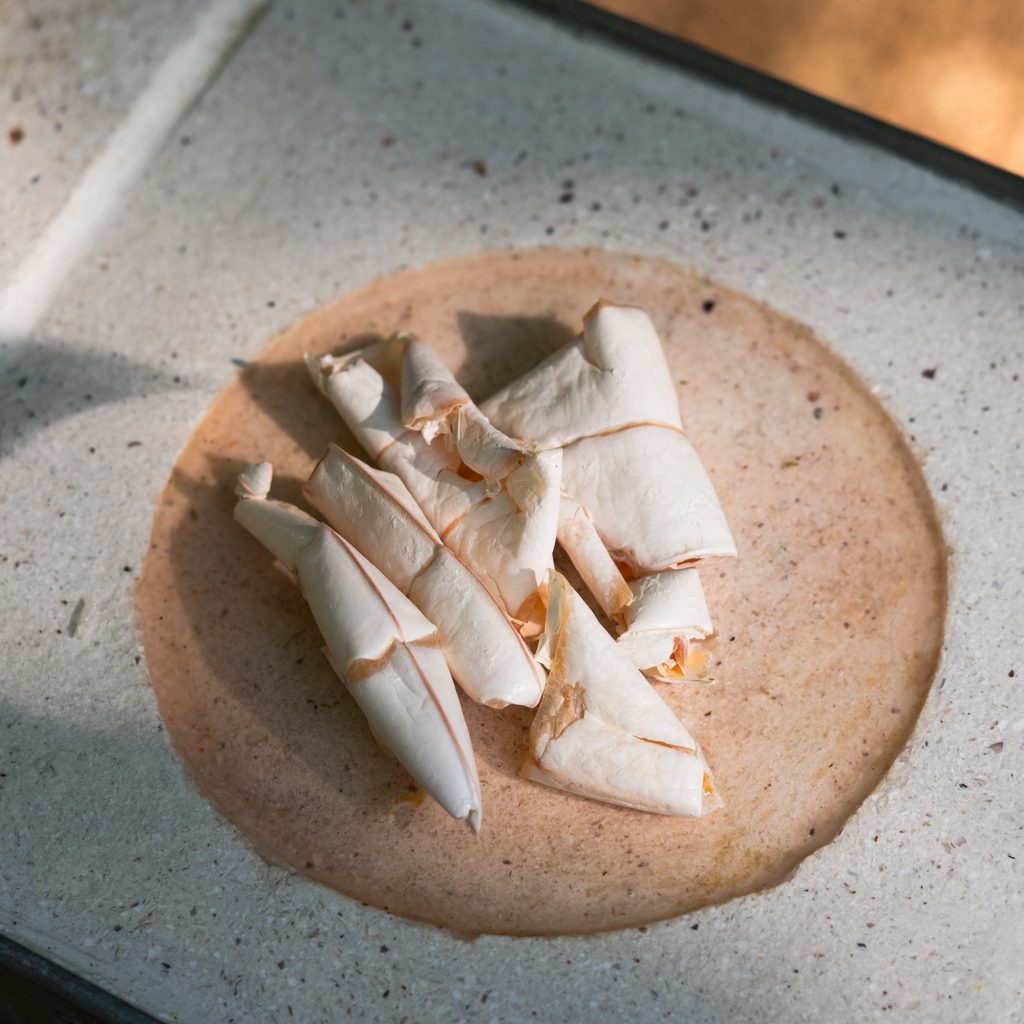
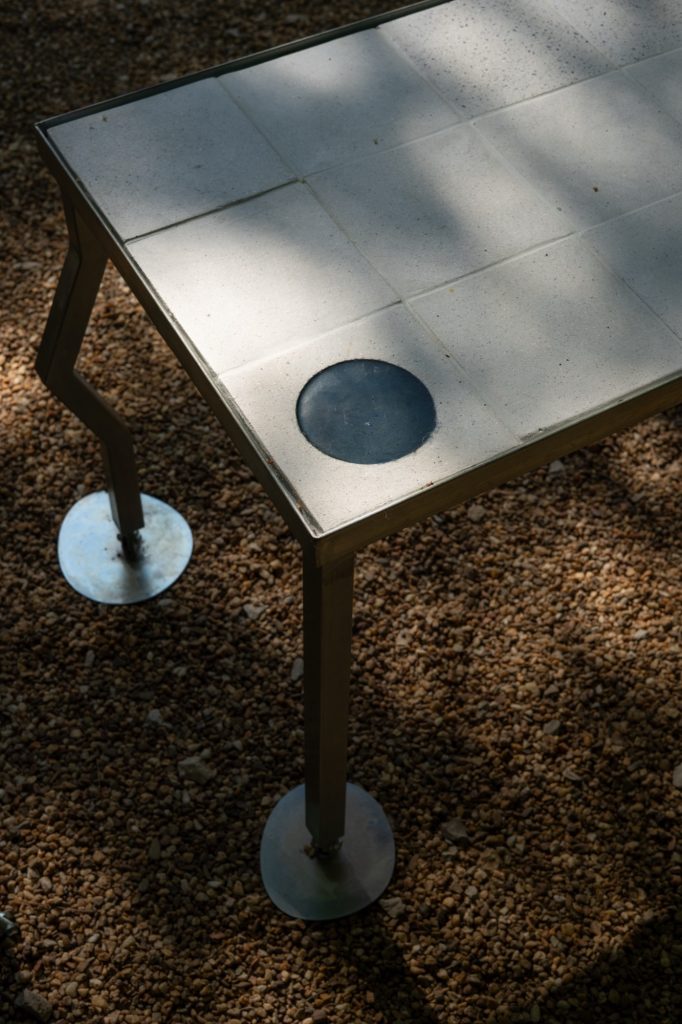
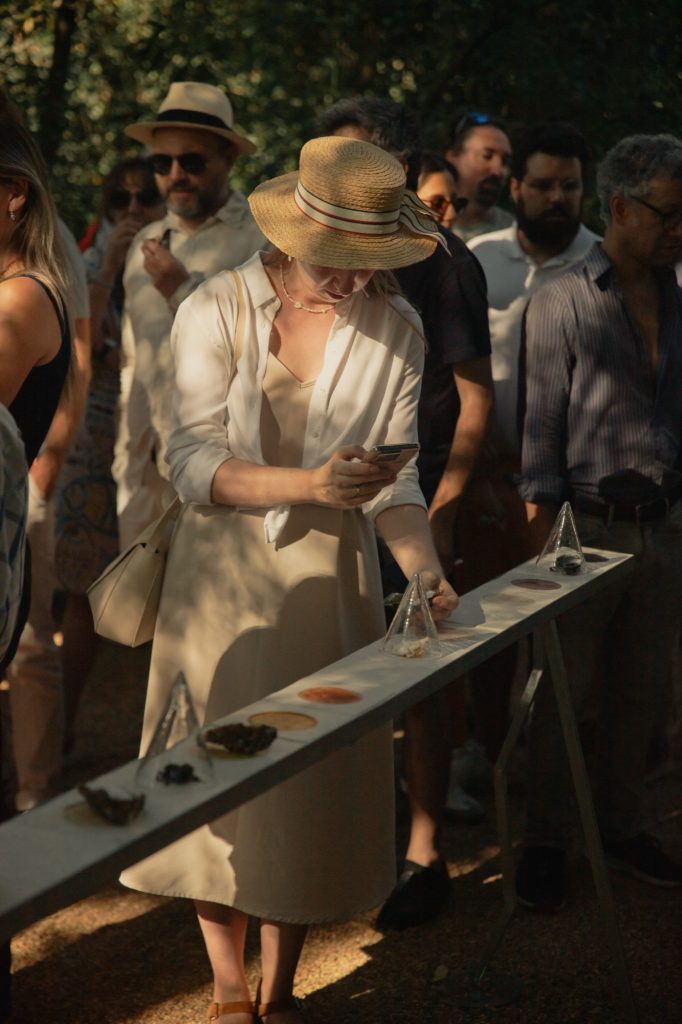
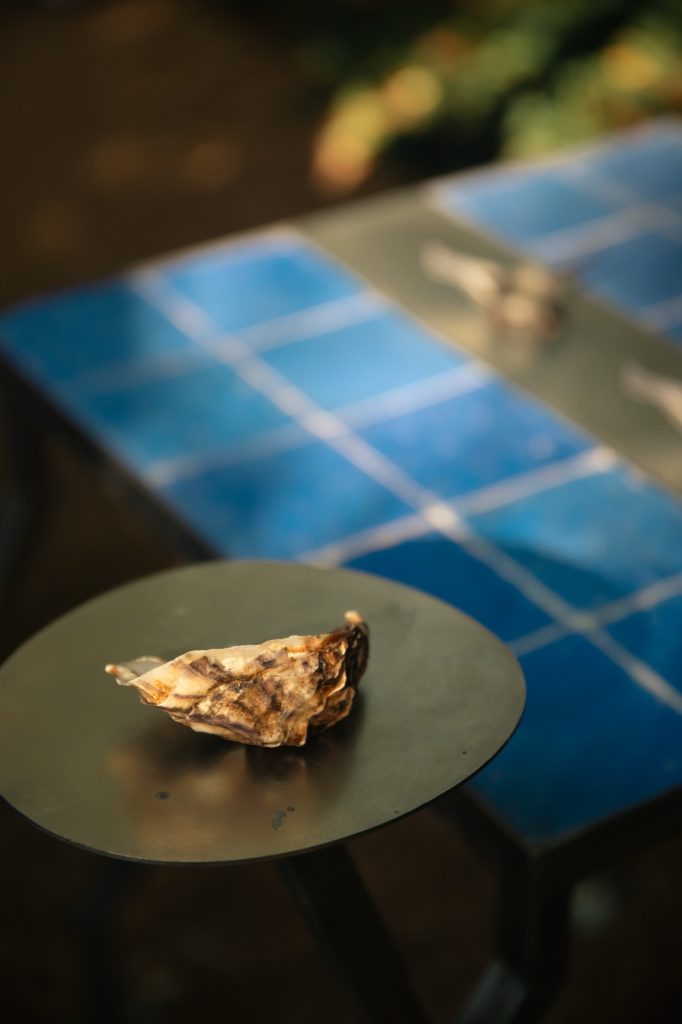
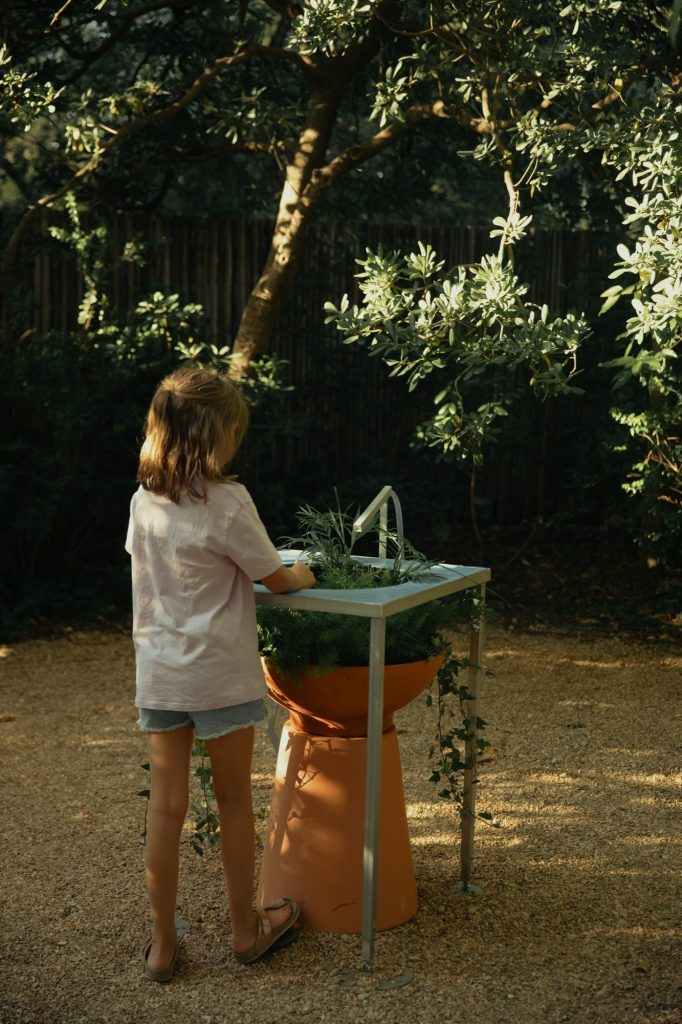
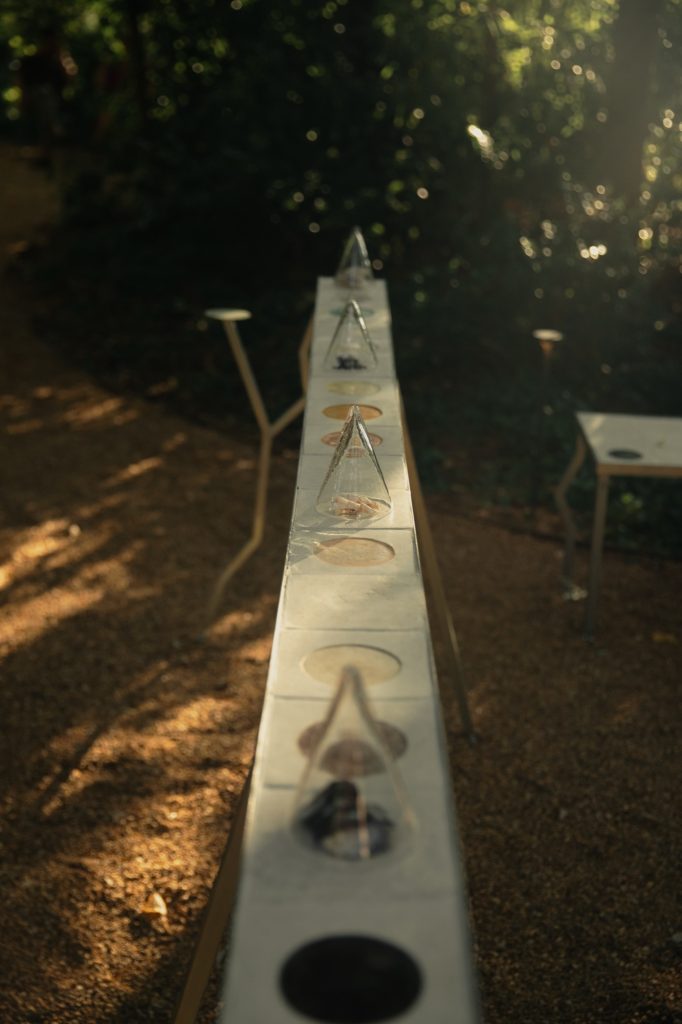
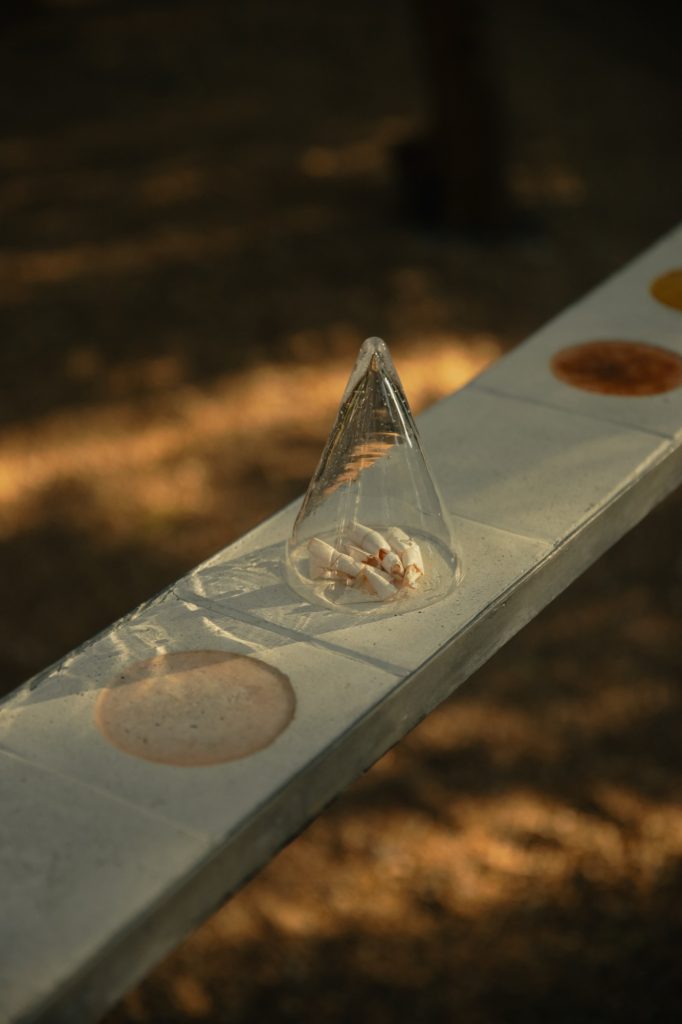
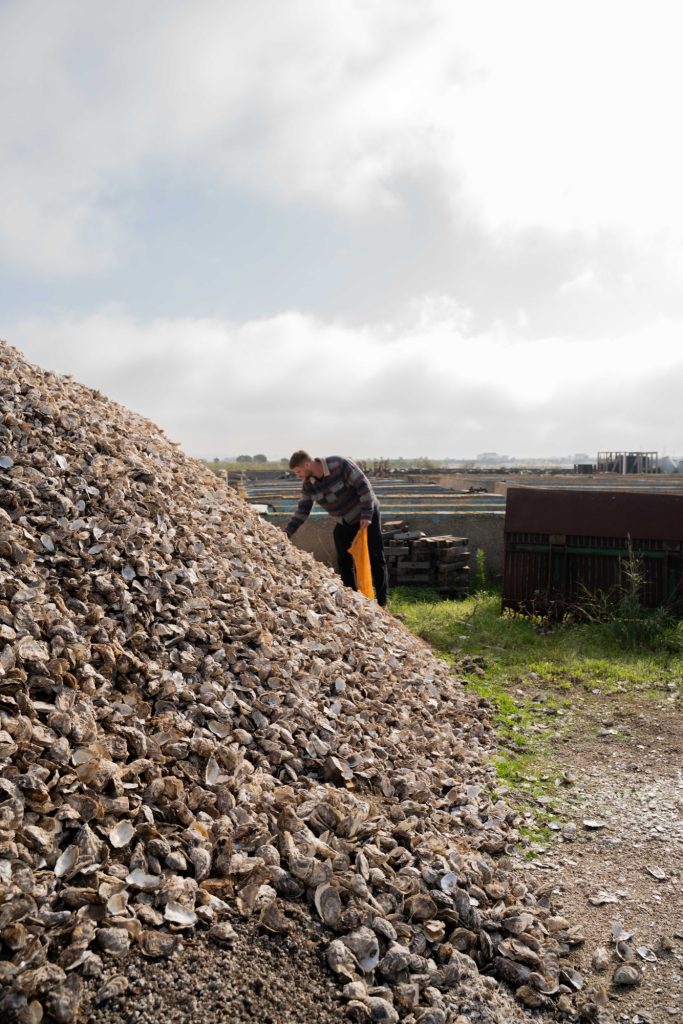
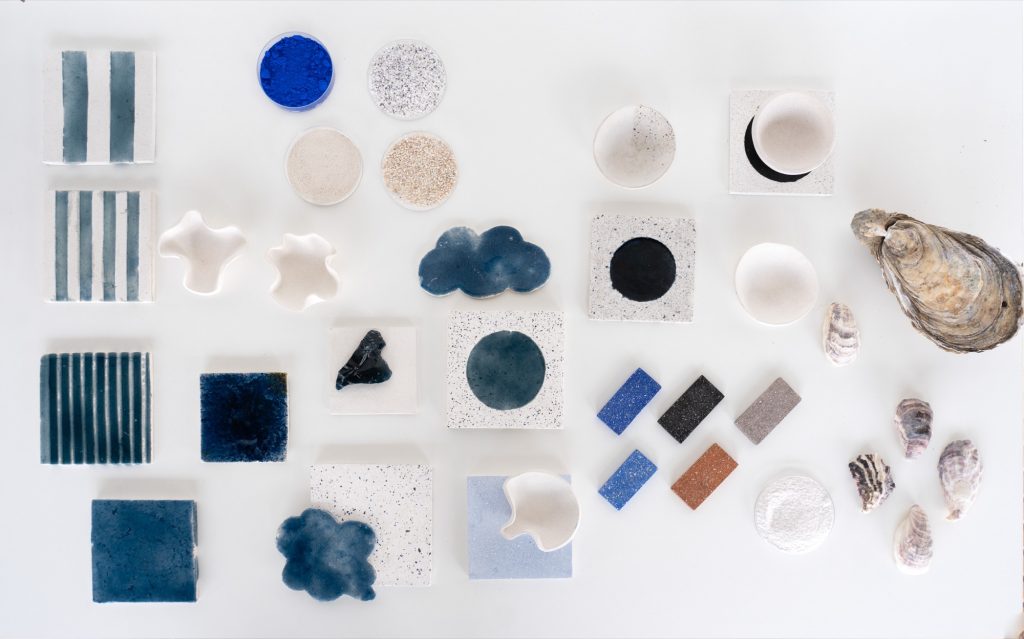
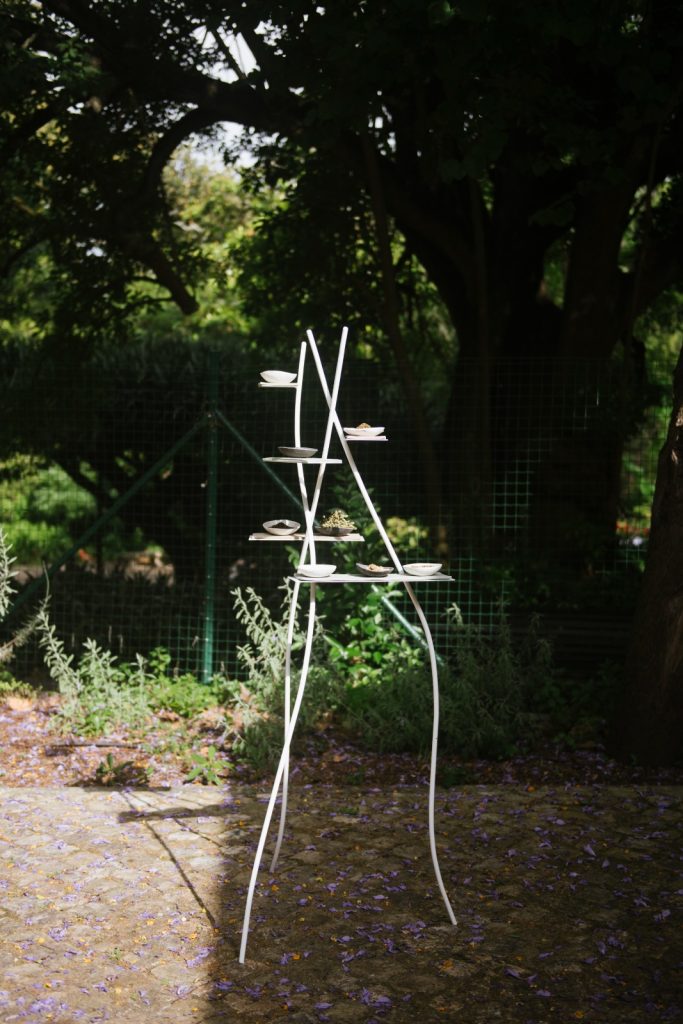
This installation is part of the 2024 Radical Waters – Concrete Matters residency, a program focused on research and development. It introduces three sculptural structures: a stove, a bench, and a long table, built from bio-bricks made with oyster shell powder and seaweed sourced from the Tagus River, the Sado Estuary, and surrounding food systems.
The bio-bricks recall the azulejos, a cultural symbol of Portugal, but here they are reinterpreted through a contemporary lens where cultural memory intersects with ecological awareness.
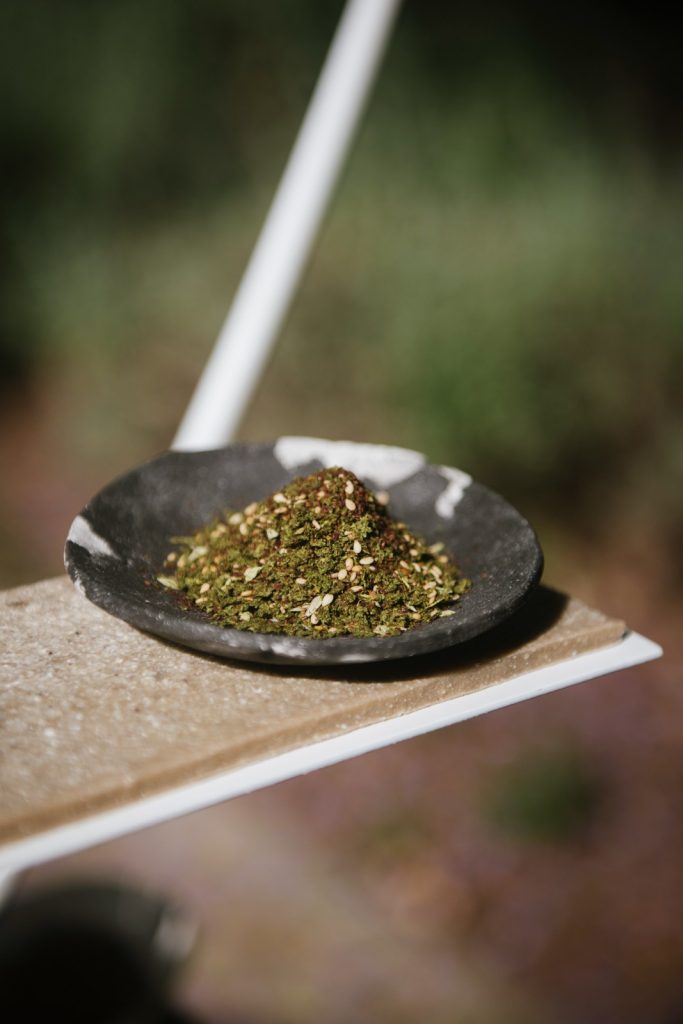
The use of oyster shells and seaweed is circular in nature and highlights the ecological role of oysters, which filter up to 200 liters of water per day, supporting biodiversity and stabilizing coastlines. The color palette, developed in collaboration with researcher Mariana Simões, draws from earth oxides, poppy seeds, and pink microalgae, echoing the ecology of the Tejo River.
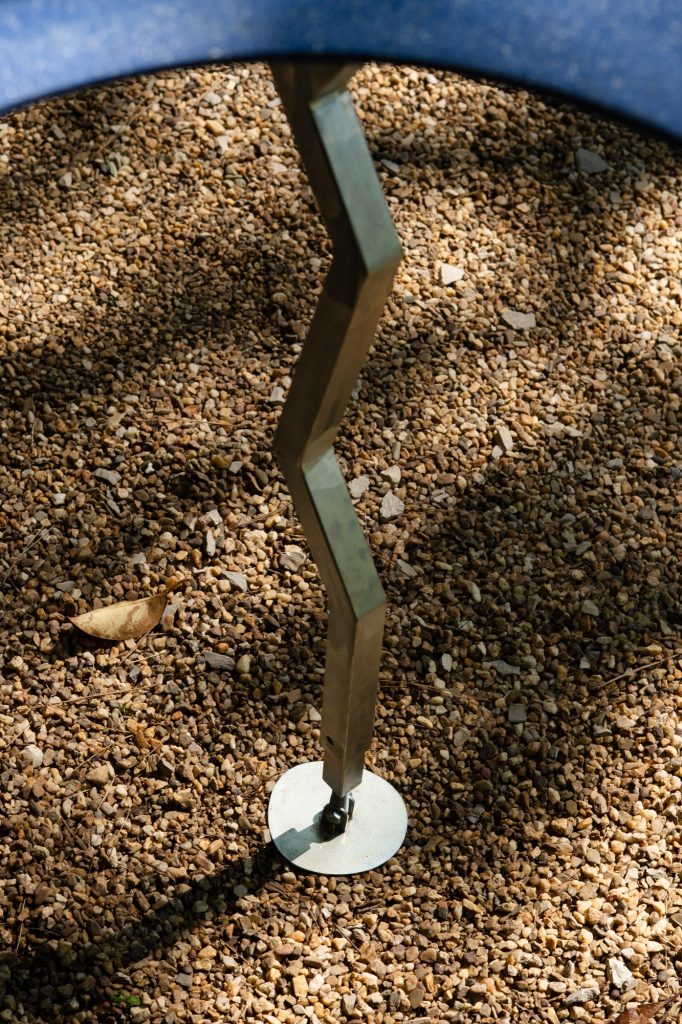
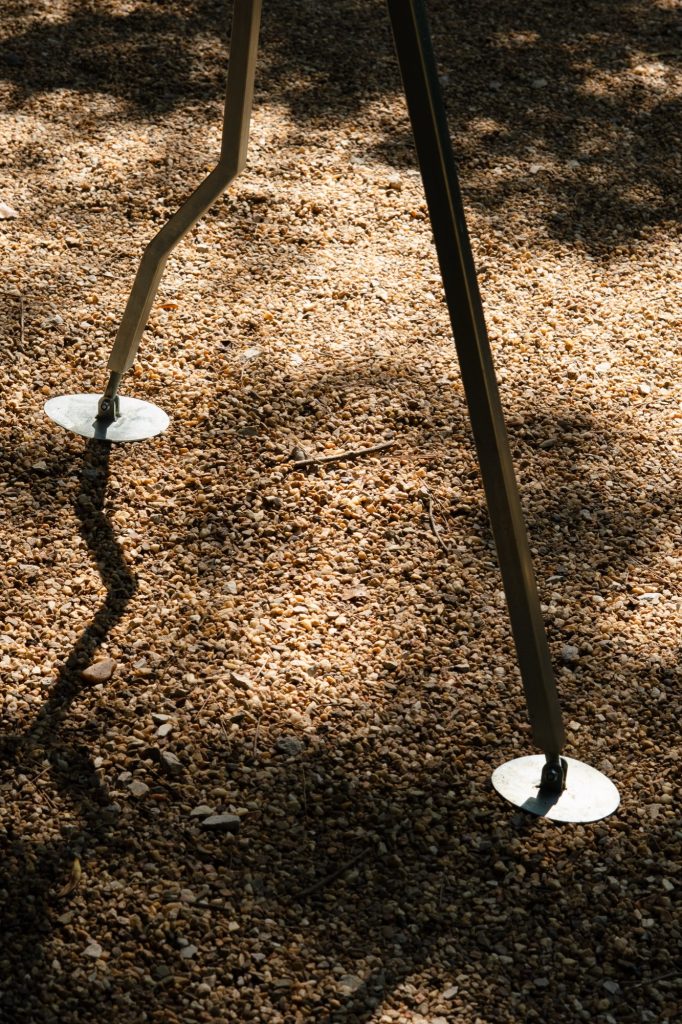
The sculptural pieces, described as “creepy crawlers,” resemble marine organisms from below the surface: awkward, angular, and uneasy in their setting. Placed in the museum garden, they appear as figures in transition, caught between water and land.
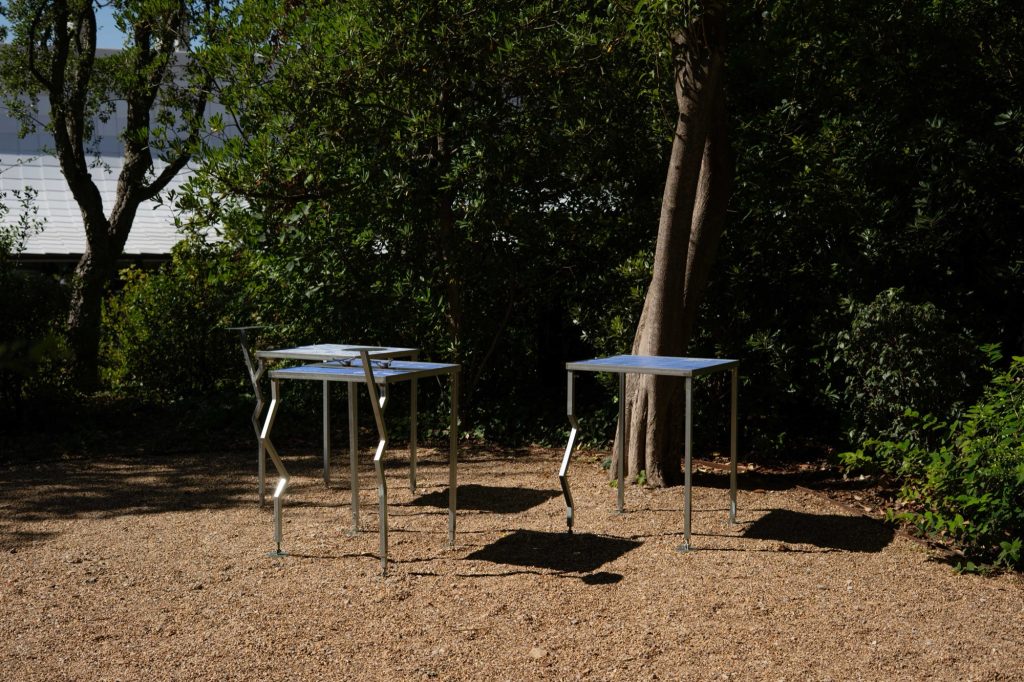
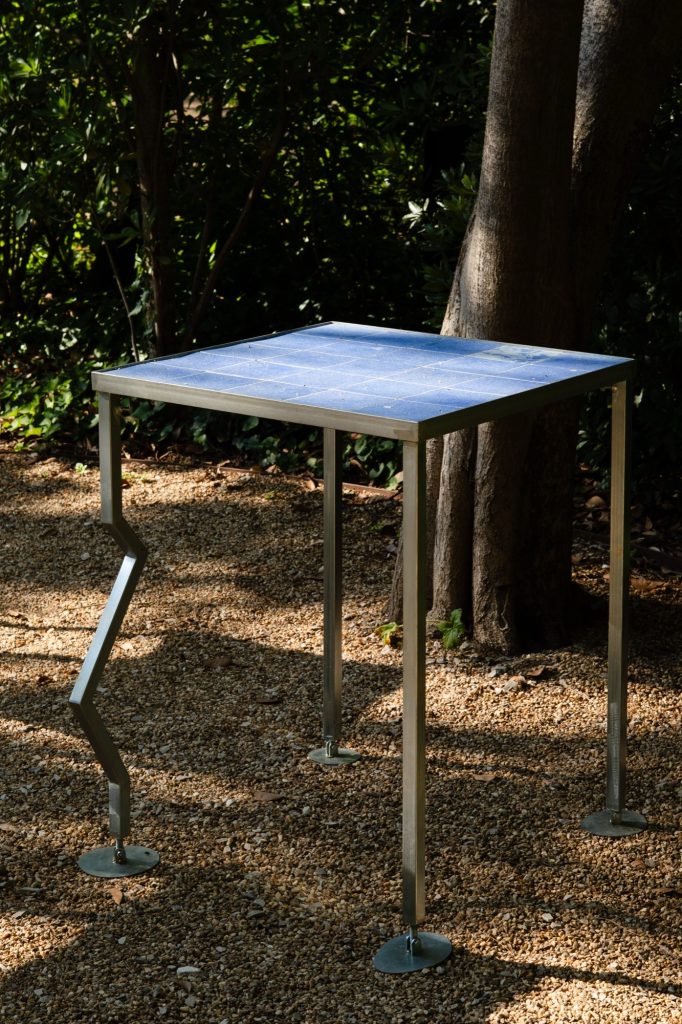
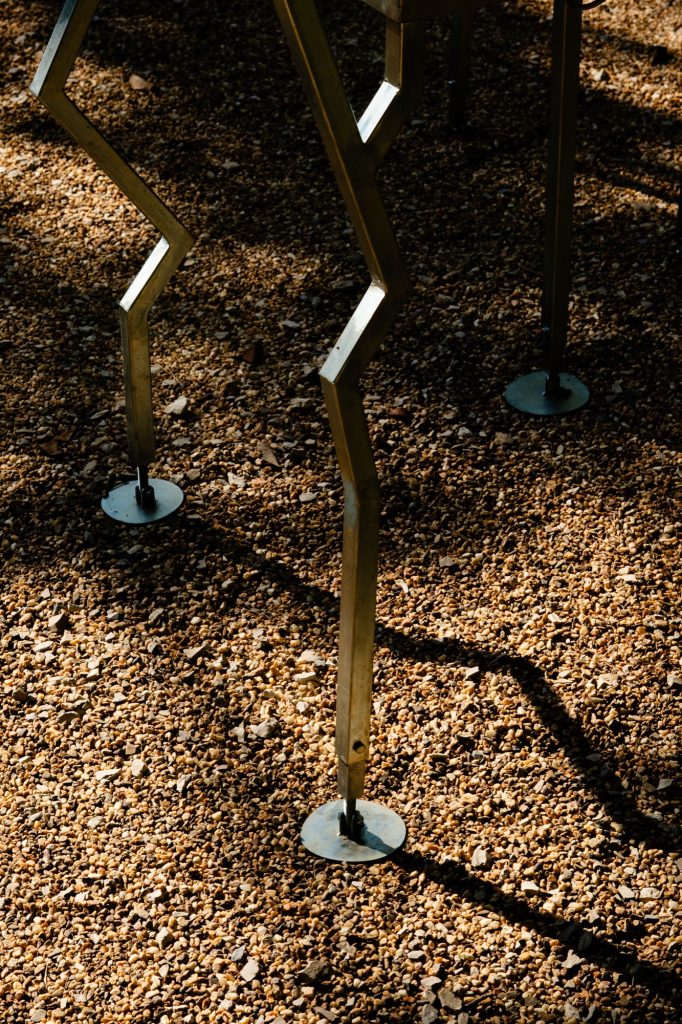
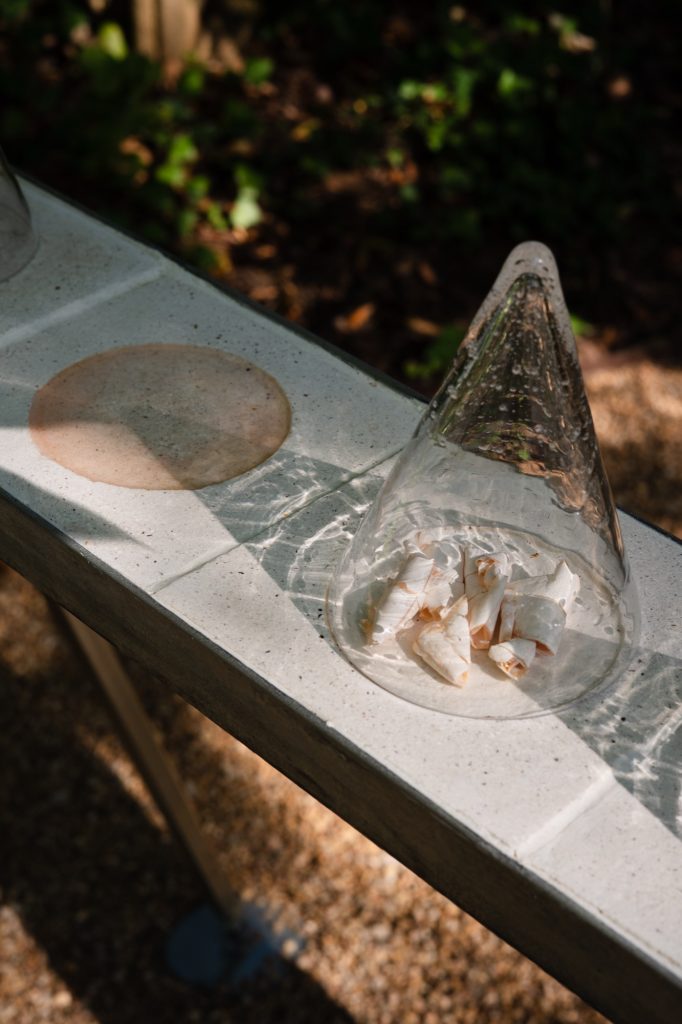

Their irregular, bent legs suggest uncertain movement, disrupting rational geometry in favor of organic variation. By merging ecological narratives with spatial form, the project points to possible futures for regenerative urban environments, grounded in local resources and craft traditions.
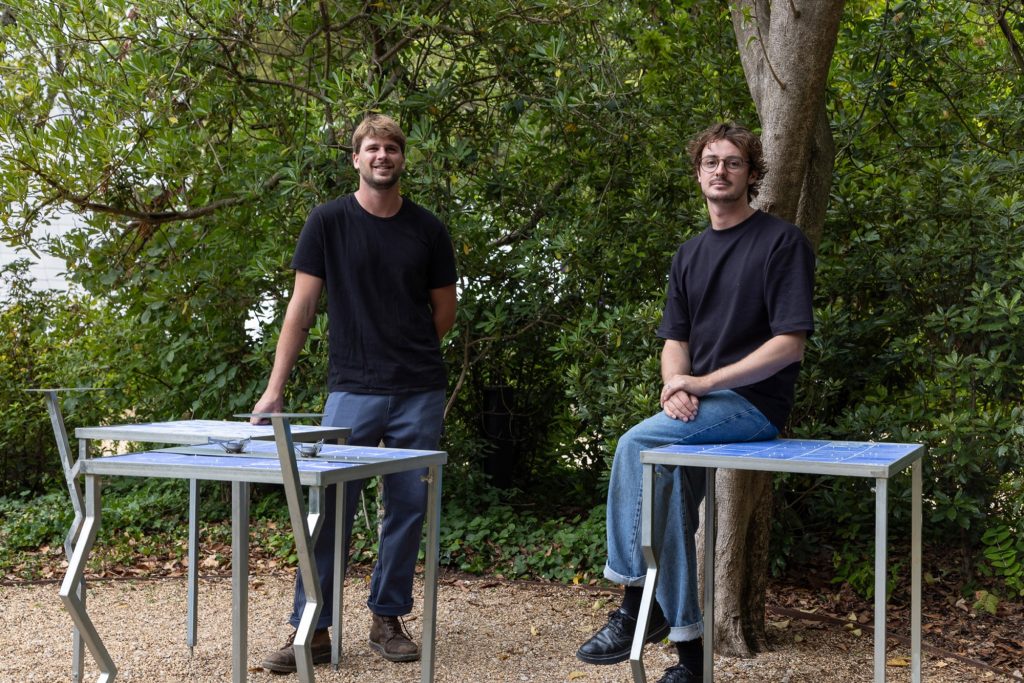
Fahrenheit 180º was founded by Swiss architect Jeremy Morris (Geneva, 1996) and Portuguese-Swiss architect Luca Carlisle (Geneva, 1997). Their practice investigates materials that move beyond extractive systems, aiming for methods that repair and regenerate ecosystems as well as social structures. With this project, they call for bioregional thinking and revisit the heritage of oyster farming in the Tagus Estuary, once central to the region but later disrupted by industrialization.
Xem thêm hình ảnh