
Text
Phuong May
Pham Ha Thu
Time
03.2023
Location
Tôra Studio
Photo
Phương Mây
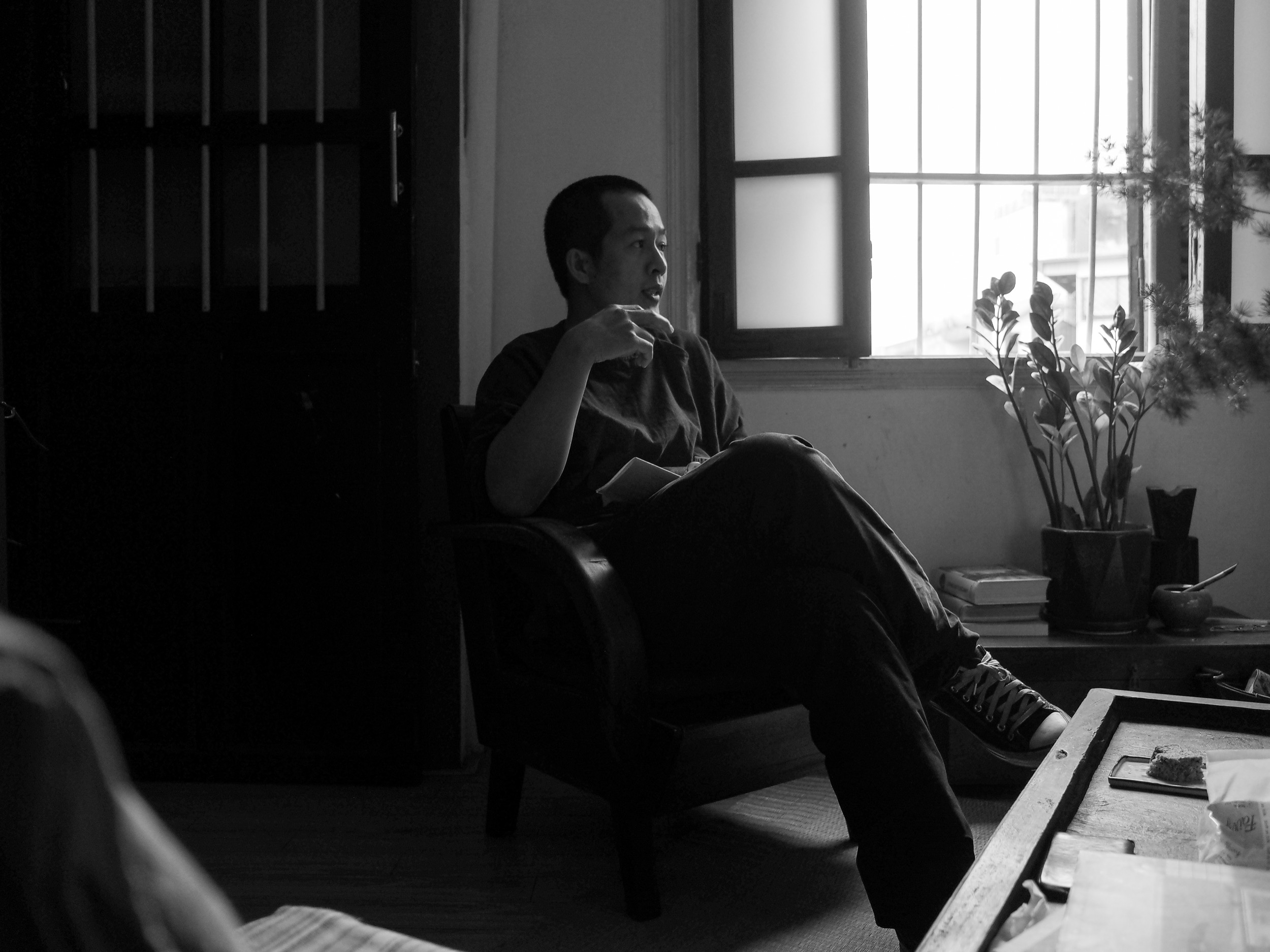
Hello Hồng, you’ve spent two years preparing for the launch of your book, and it is now nearing completion.
Over these two years, I haven’t changed much as a person, nor has my work shifted dramatically. The real transformation happened before 2020, and I realized it while I was drawing. The book is a collection of works I created between 2017 and 2020, accompanied by my reflections and the way I expressed myself at the time. I shared this with Hiếu and told him I wanted to make a book about that period because I felt it had reached its conclusion. That was the beginning of this project.
Between architecture and painting, which do you feel more deeply connected to?
When I first graduated from university, I was full of ideals. During my studies, we were taught things that felt almost perfect. Later, once I began working and engaging in real design practice, I was confronted with reality and came to understand what I could do and what was beyond my reach. I learned to search for balance.
For me, architecture and painting are distinct worlds. Painting begins with emotion; it is deeply personal, and in it I can control everything. Architecture, on the other hand, feels more like a science. It holds emotion as well, but only to a small degree. Every architectural or design decision must rest on precise calculations, data, and numbers. Because of that, I feel a stronger connection with painting.
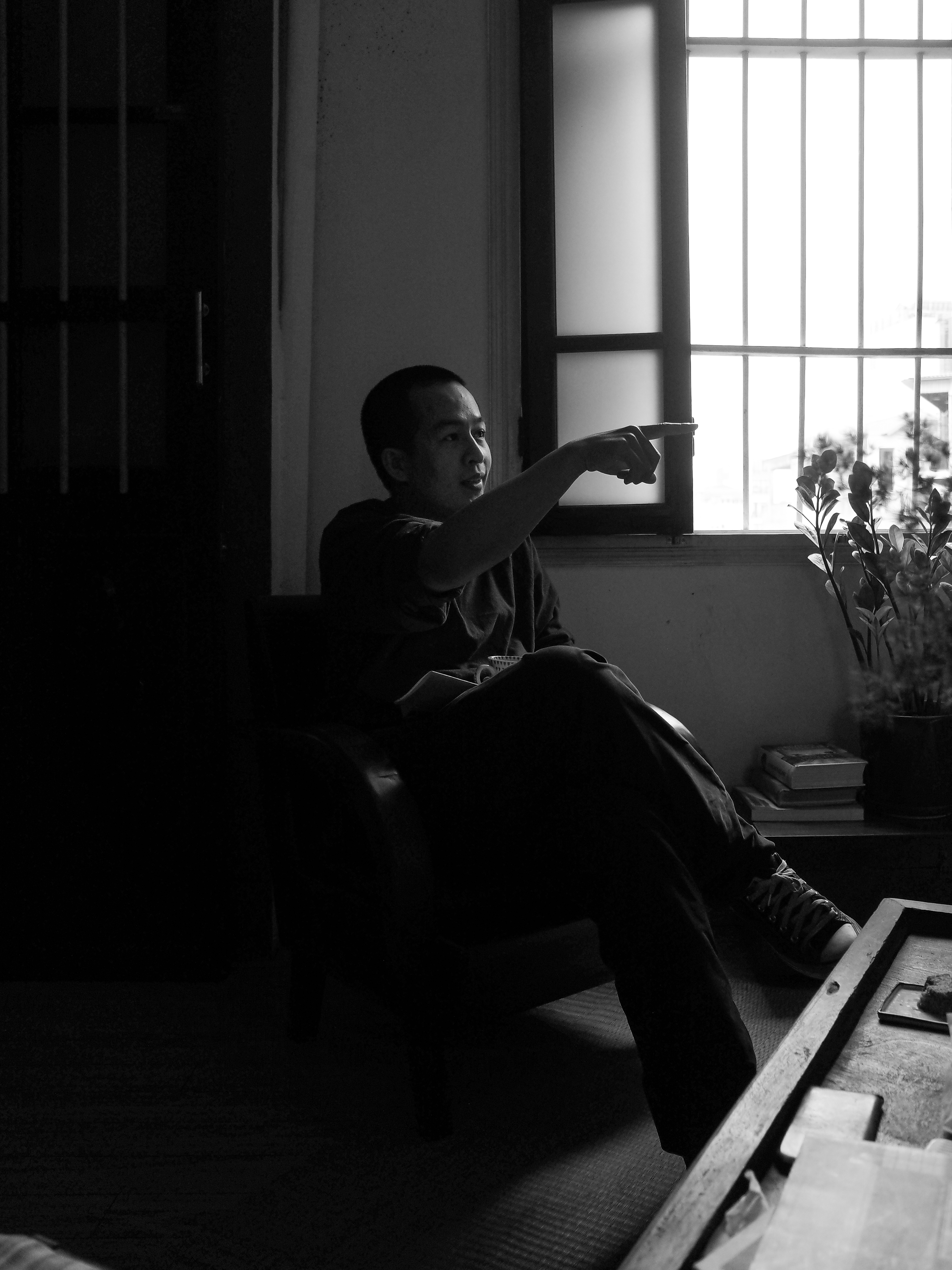
Your architecture office was initially called TÔ Architecture, and now it is TÔ Design. Does this shift reflect a transformation in your architectural work?
When I first started the office, it didn’t really have a formal name. I simply thought of it as a place where people worked together, and everyone in the office casually referred to it as Tô. Recently, however, the studio has taken on an official name, Tôra Studio, a suggestion from a friend. In Japanese, “Tôra” means tiger, but it also conveys the idea of moving forward, of continually progressing.
Information about Tôra Studio seems quite limited on the internet.
I think of this as a period of practice. I am still unsure whether the work we produce is truly good or not. To be honest, I don’t yet feel entirely ready. There is a lack of confidence, and I often feel that my earlier projects did not reach the standard I hoped for. Luckily, I have been supported by friends and acquaintances who have recommended clients to me. The office remains small, handling only two or three projects a year, moving forward at a steady and deliberate pace.
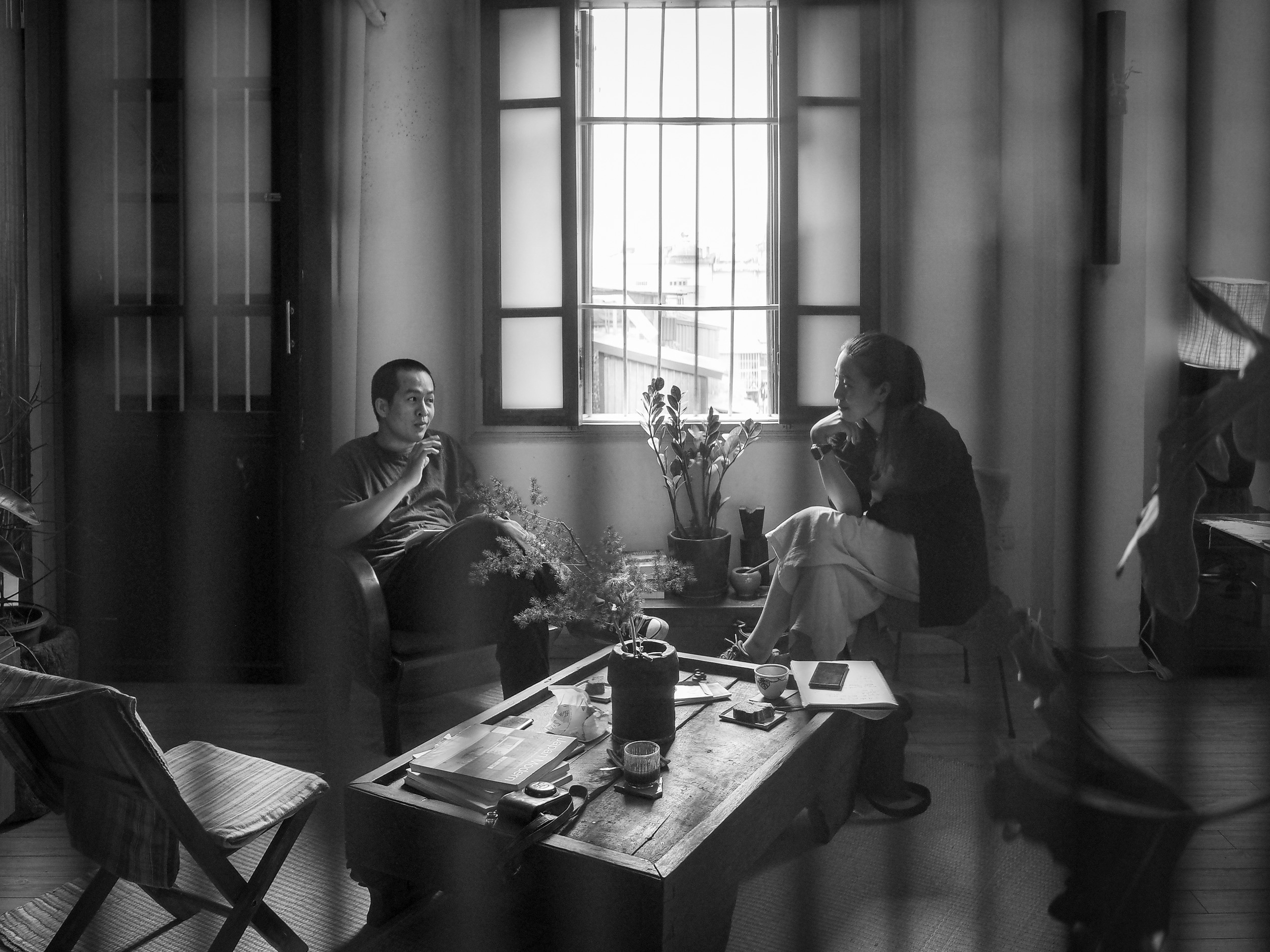
When working on design, do you incorporate elements of painting? And if so, how?
I would say that I do. Painting is a way for me to express emotion through the influence of a subject, creating an emotional connection. Design, to me, works in the same way. Once I feel that emotion, I search for a way to shape it within the design. It is not a methodical process, but more of a personal perception.
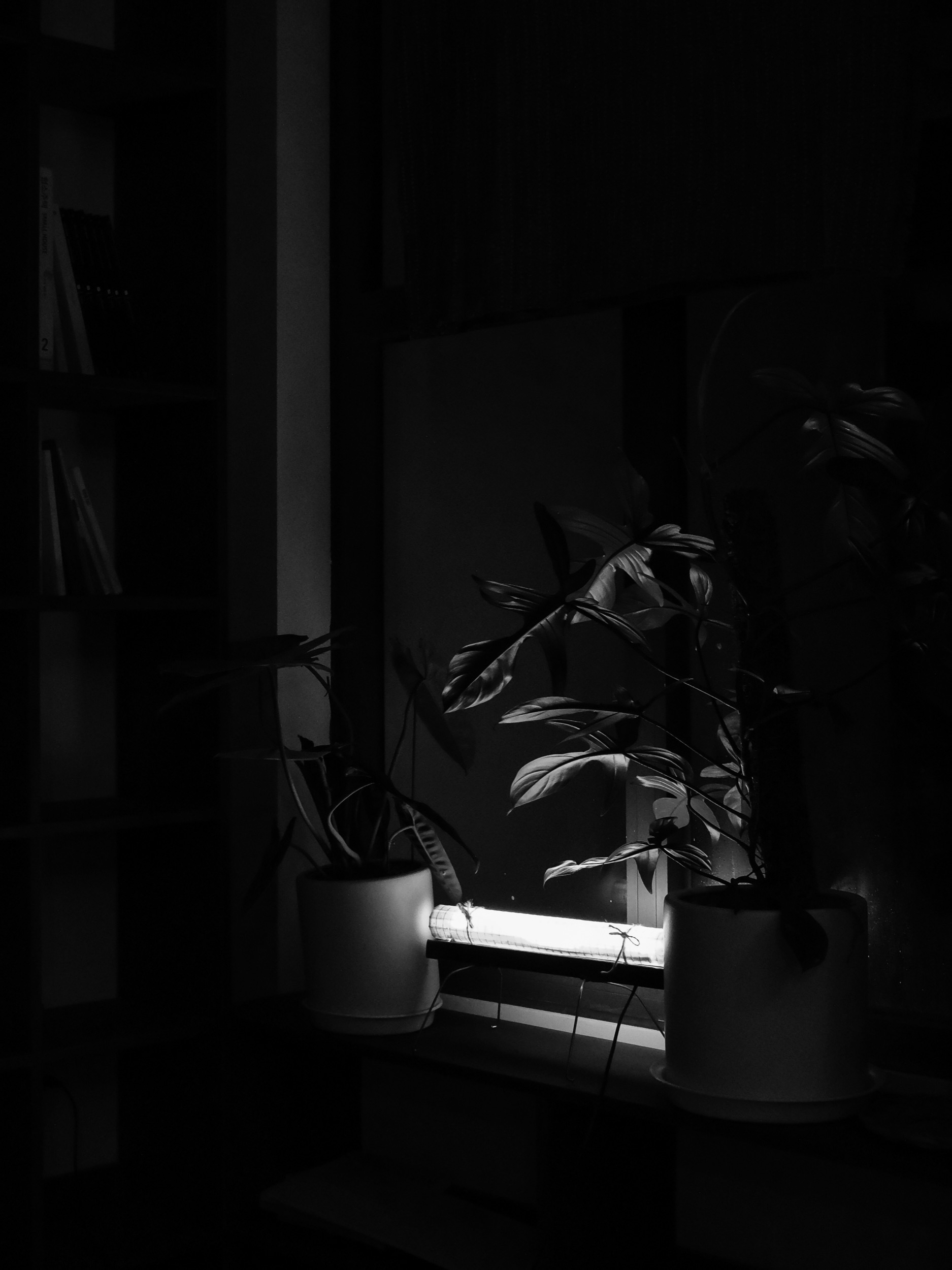
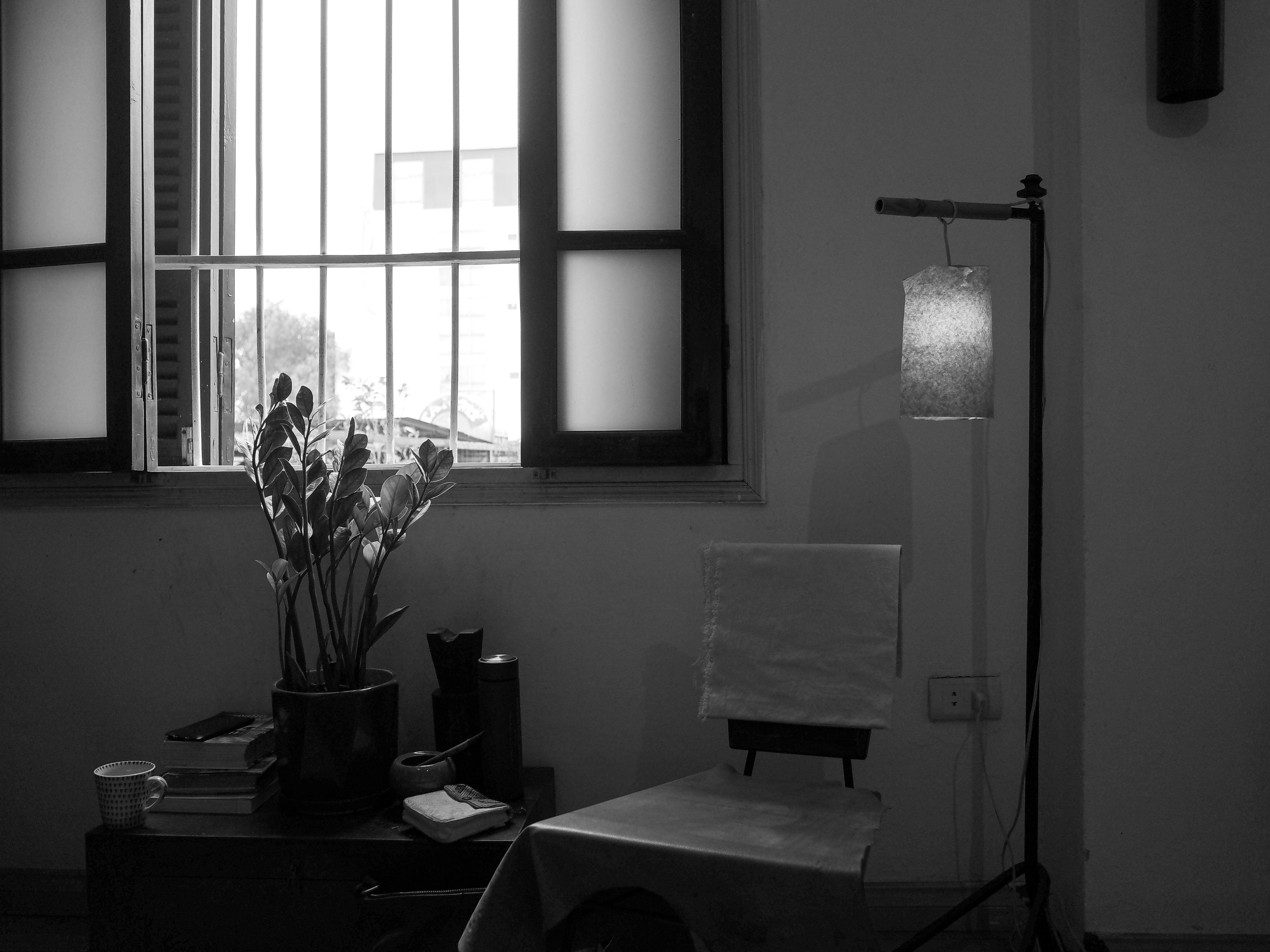
I have only been seriously practicing design for about two or three years, which is still a short time. What gives me a real sense of satisfaction is that lamp over there. The iron rod came from a workshop scrap pile, and the lamp itself was created without any specific brief. I simply used what was at hand, and it emerged in a natural, spontaneous way.
In each design project, it seems you often include a handmade object that you created yourself.
Those pieces are not made by me alone; everyone in the office works on them together. Design, after all, depends heavily on the requirements and desires of the client. My role is to advise and provide solutions that best suit their needs. I see myself as a facilitator rather than someone who must impose my own ego. Respecting the individuality of each client is essential. The handmade objects I add to a project are simply small expressions of myself, subtle gestures that are present in a tangible way, unlike invisible elements such as space. They are also meant as gifts.
I have always enjoyed handmade work because it allows me to express my thoughts and offers more chances to practice, to understand why things are made in certain ways. When I was young, if I wanted toys like a bow and arrow, a spinning top, or a kite, I had to make them myself. That do-it-yourself spirit has seeped into me and continues to shape my life today.
In your painting journey, who has influenced you the most, and why?
After graduating from university and beginning work, I continued sketching, but in a very casual and carefree way. At that time, architecture did not feel right for me, so I left it behind. The person who had the greatest influence on me was bác Thuý, an older painter who encouraged me to continue with watercolor. Every Sunday, I would join bác to paint. The guidance was never rigid or formal; instead, bác helped me sharpen my perception and deepen my feelings toward the scenes around me, which I could then bring into my paintings.
Why do you love sketching? Besides watercolor and pencil, have you considered other materials?
For me, sketching is about capturing emotion in a particular moment and space, like writing a diary. After watercolor, I began using pastel, and I feel these two mediums suit me best. I have tried oil painting, but for now it does not feel right. With sketching, I prefer watercolor because it dries quickly and helps me highlight the immediacy of the moment.
I notice most of your works are landscapes. Do you explore other genres? What guides your choice of subject matter?
It is simply a personal choice. I am drawn to things that interact with me in a certain way. If I can feel them, if they leave an impression, then that is enough, I don’t follow strict criteria. In addition to landscapes, I also sketch self-portraits, though for now I prefer to keep those private.
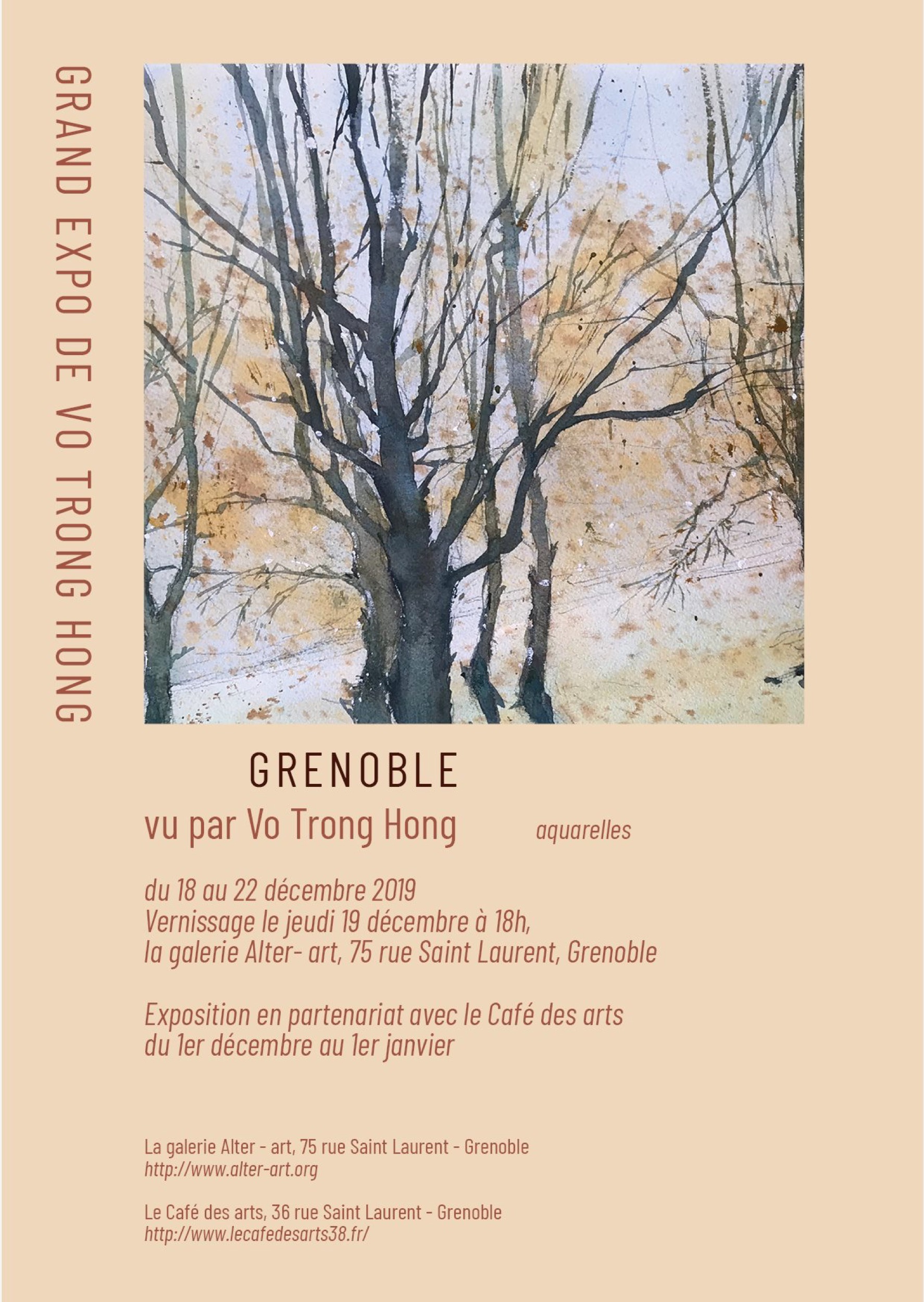
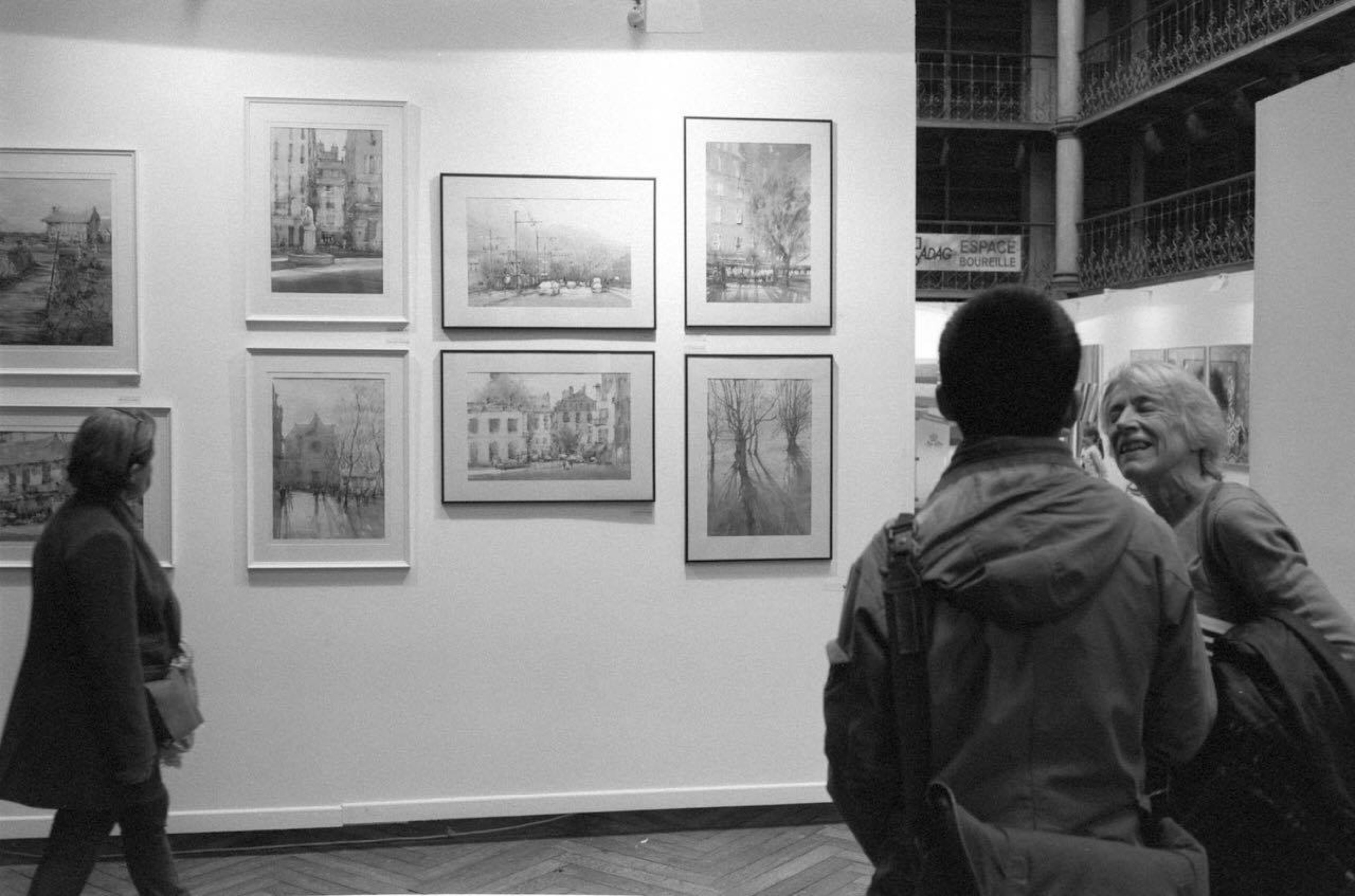
I heard that during your time in France, you participated in many exhibitions showcasing your paintings. Did having your work exhibited bring you valuable experiences? Could you share in detail about the most memorable one?
Exhibiting my work gave me countless experiences, each of which I deeply treasure. The most memorable was my final exhibition in France. I had been given the key to the gallery and was responsible for opening it myself. That morning it rained, and I assumed no one would come. I lingered over breakfast, sipped my coffee, and wandered the city.
When I finally arrived at the gallery, I noticed an elderly couple standing across the street in the rain. We exchanged glances, and I thought they were waiting for someone at a nearby building. But as soon as I unlocked the gallery door, they crossed over to greet me. They explained that they had arrived early, found the gallery closed, and not knowing how to reach anyone, simply decided to wait. They had traveled 120 kilometers from another city just to see the exhibition.
That moment remains unforgettable to me. It felt almost overwhelming, as if I had been gifted something far greater than I deserved. Even now, when I think back, the image of that couple waiting patiently in the rain comes to me vividly, as if it had happened only yesterday.
Why did you decide to publish a book at this time? What do you hope to achieve through its publication?
I actually finished the book in 2021. Hiếu often asked me, “Why are you making this book?” And when I finally held the manuscript in my hands, I questioned whether its contents could be of any use to others. On a personal level, it was a way to preserve a chapter of my life. At the same time, I thought back to myself before I met bác Thuý: if I had come across a book like this then, I would have been overjoyed. In that sense, the book is a form of encouragement, a shared message to people who, like I once did, wonder whether what they draw is beautiful or even worthy of being called art.
What are your thoughts on your painting practice at this moment?
In the past, my focus was on drawing and technical illustration, so my skills were mostly rooted in precision. Now, I feel that more things flow through me, and the emotions I convey through my paintings are clearer. My perception of the world, along with everything I feel, passes through my mind and becomes a painting. If before I could express only a fragment of that, today the flow of emotion has widened. It no longer requires a subject placed before me to spark the work—emotion itself has become the source.
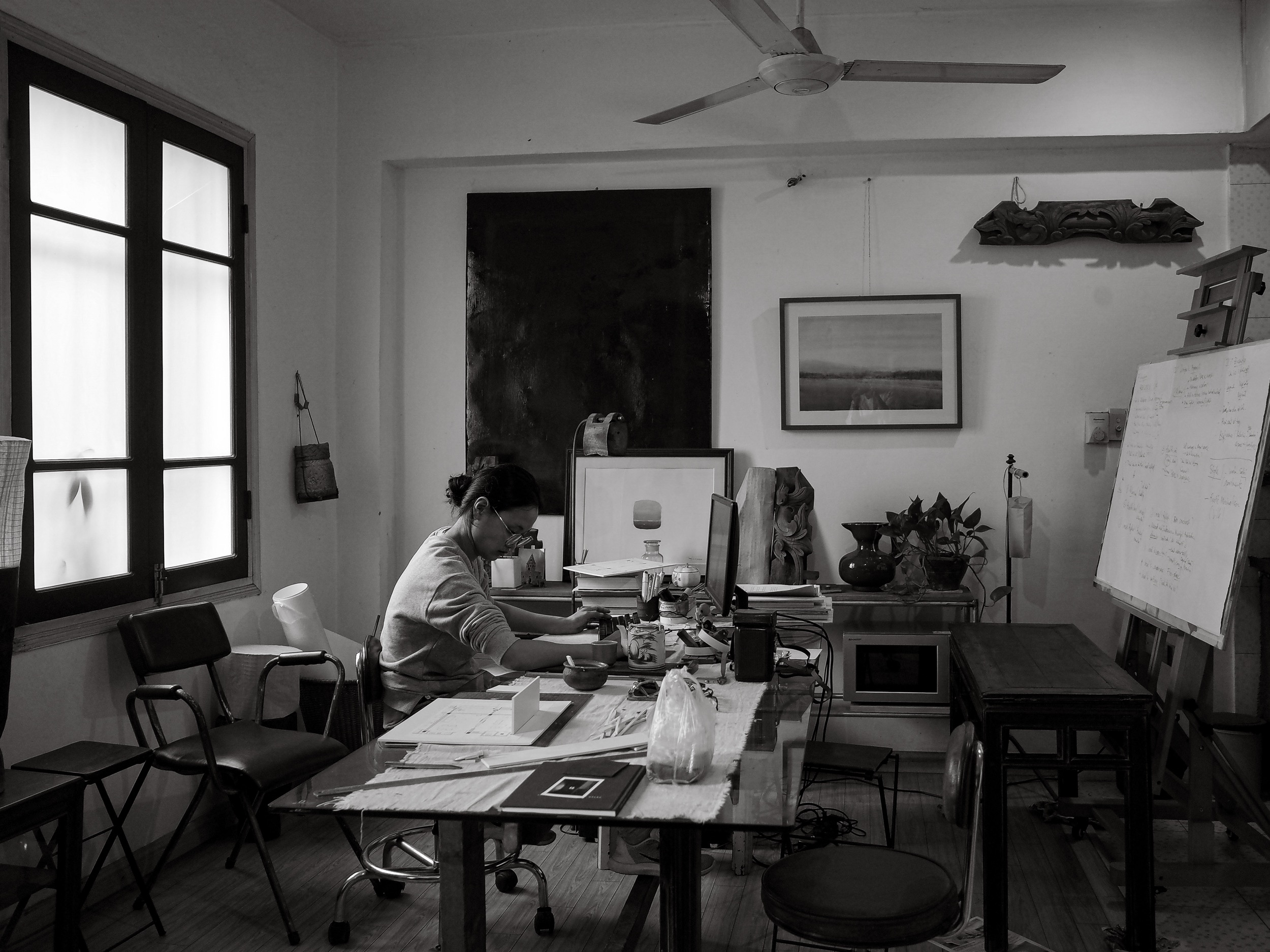
Võ Trọng Hồng là một kiến trúc sư trẻ, tốt nghiệp khoa Kiến Trúc của trường Đại học Xây Dựng Hà Nội. Sau khi tốt nghiệp ở Việt Nam, anh tiếp tục đi du học chuyên ngành Kiến Trúc của trường Kiến trúc Quốc gia thuộc Grenoble, Pháp.
Hội hoạ đối với anh là niềm yêu thích hết sức giản dị. Anh vẽ kí hoạ từ những ngày còn là cậu sinh viên ở Hà Nội. Thời gian du học bên Pháp, anh có cơ hội được tận mắt chiêm ngưỡng những công trình kiến trúc Pháp và kí hoạ đã giúp anh lưu giữ lại cảm xúc khi được đứng trước những công trình đó.
Hoàn thành chương trình thạc sĩ, anh trở về Việt Nam, thành lập văn phòng hoạt động trong lĩnh vực kiến trúc và thiết kế có tên Tôra Studio. Đồng thời, vẫn tiếp tục công việc vẽ kí hoạ màu nước của mình.