text Nguyễn Hạnh
photo Triệu Chiến, Anh Nguyên
Yohaku is a space dedicated to Ikebana – the art of flower arrangement, sharing talks about tea ceremony and other topics regarding Japanese culture. In Mandarin, Yohaku means “a surplus white space”. It can be imagined as the margin part of a frame or a text. This space allows the text to be dominant.
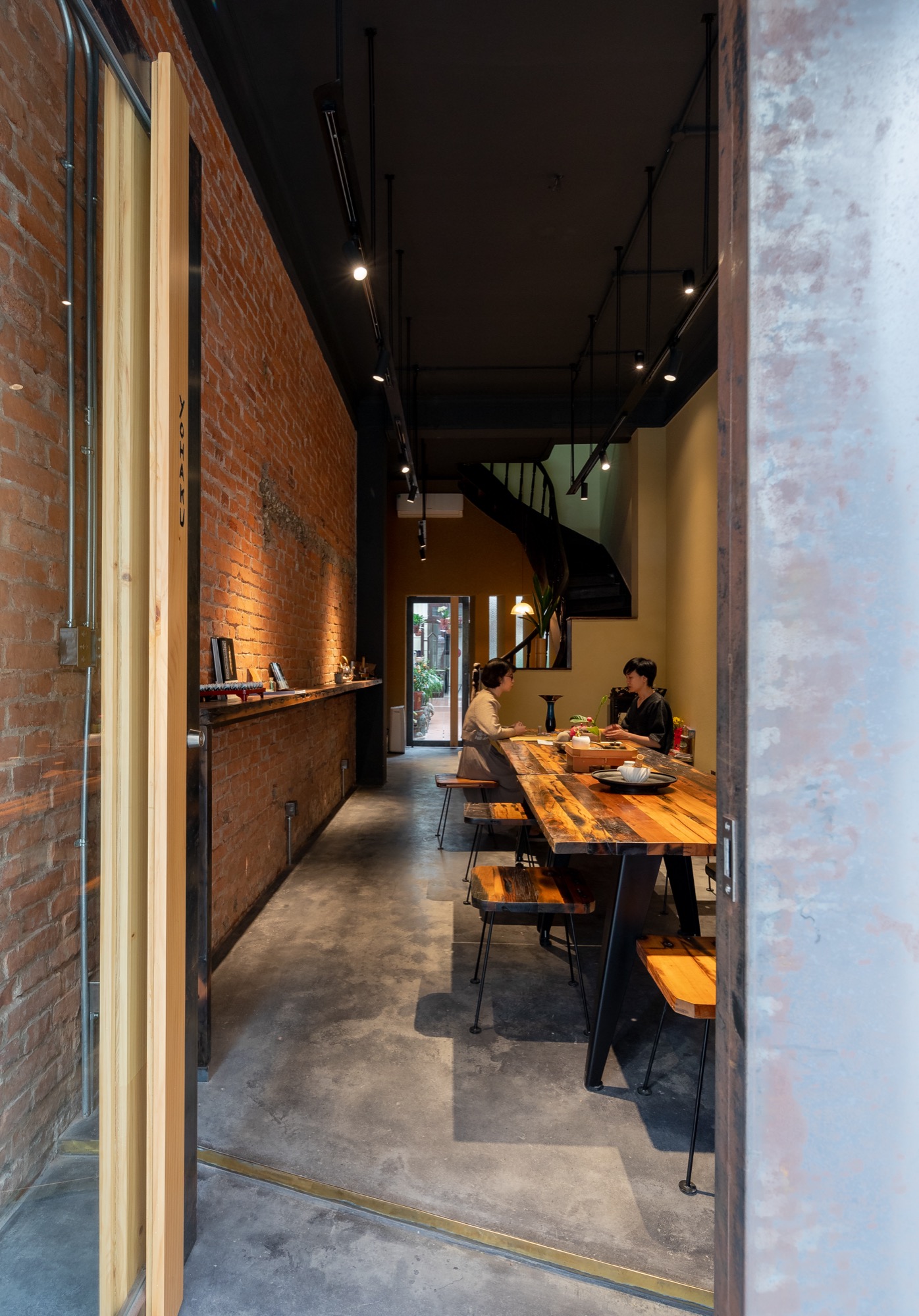
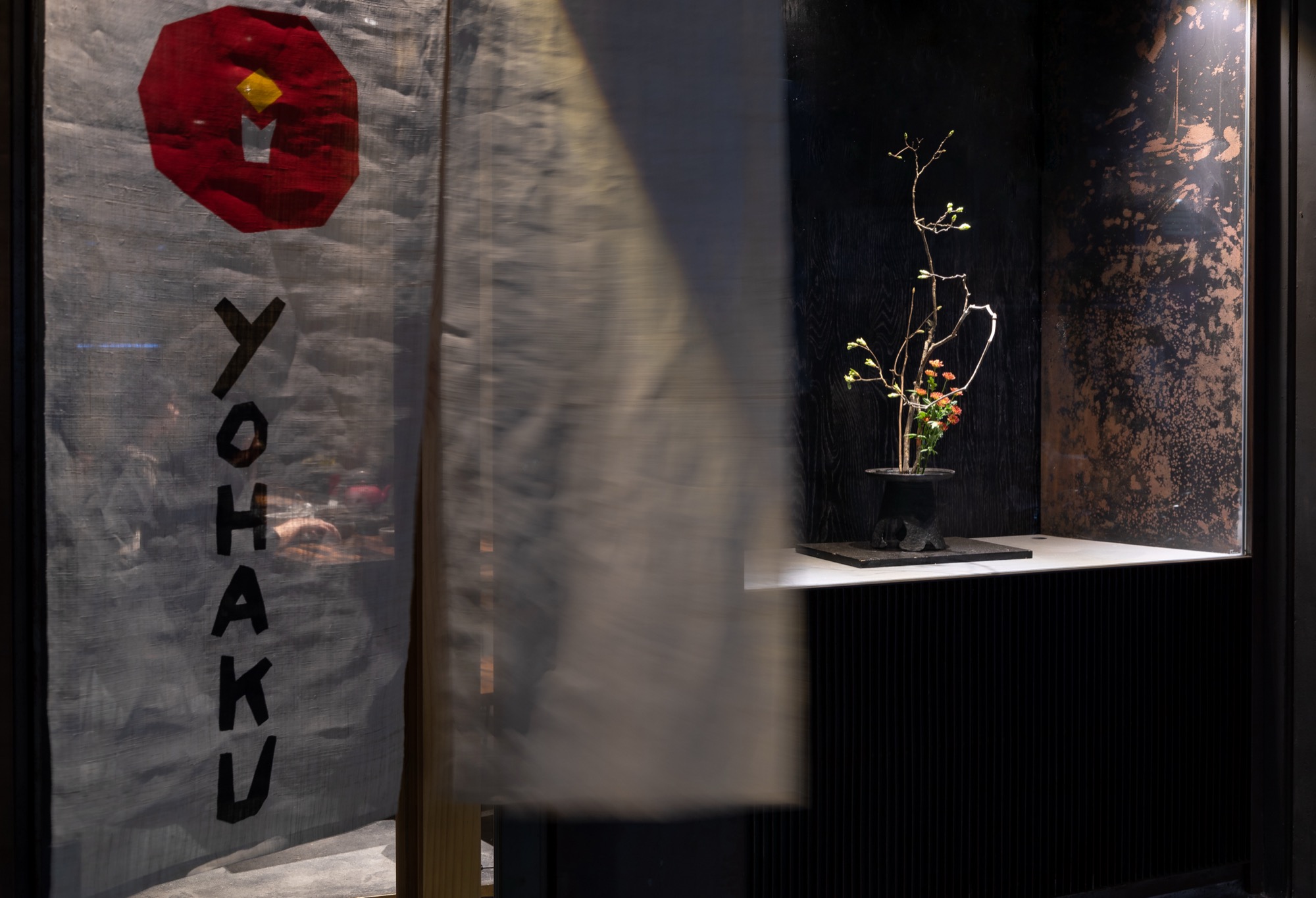
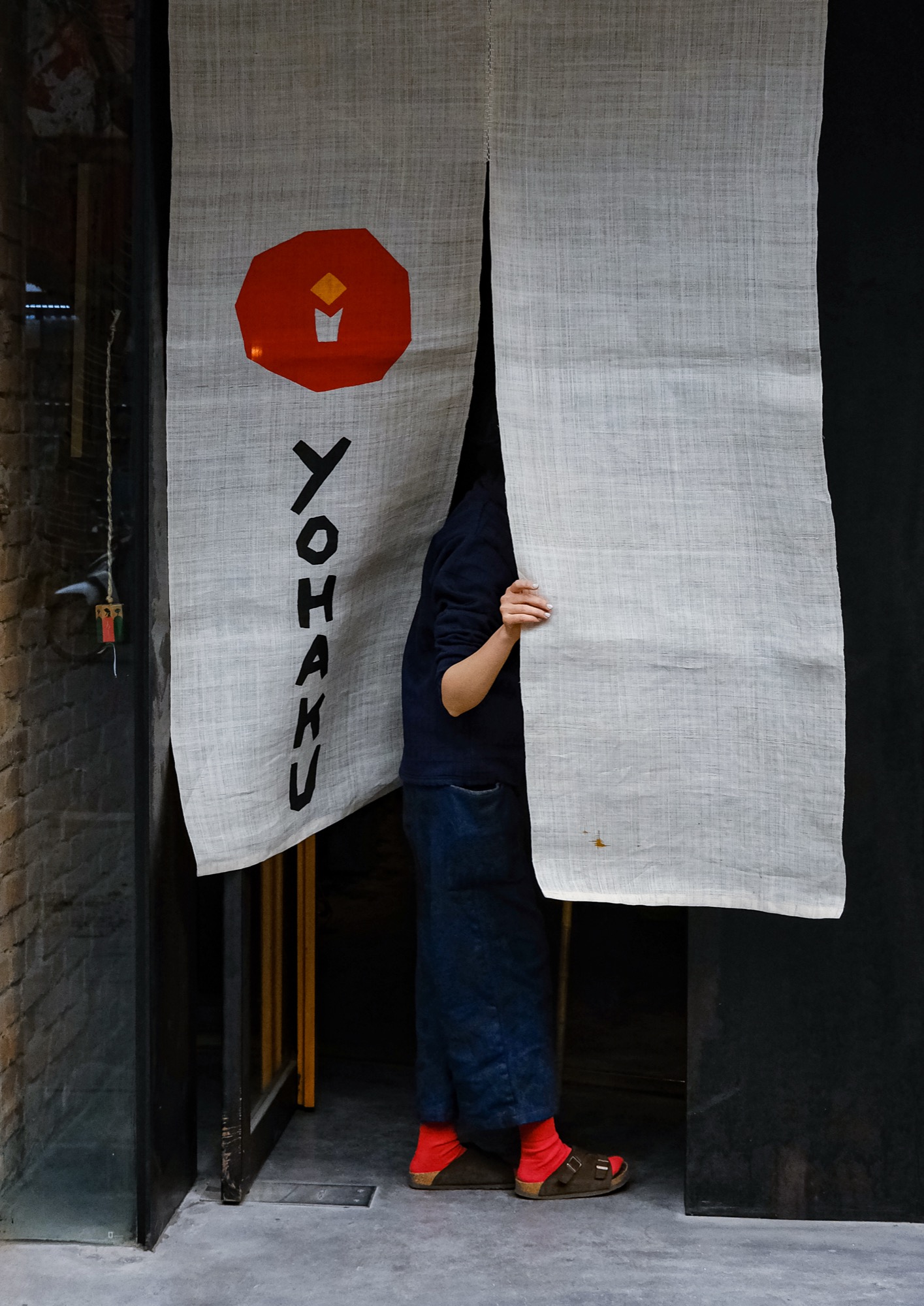
Located on a hectic street in centre of Hanoi (Vietnam), Yohaku has its humble appearance, stays within a classroom with its lights on for some rare days a month for lessons.
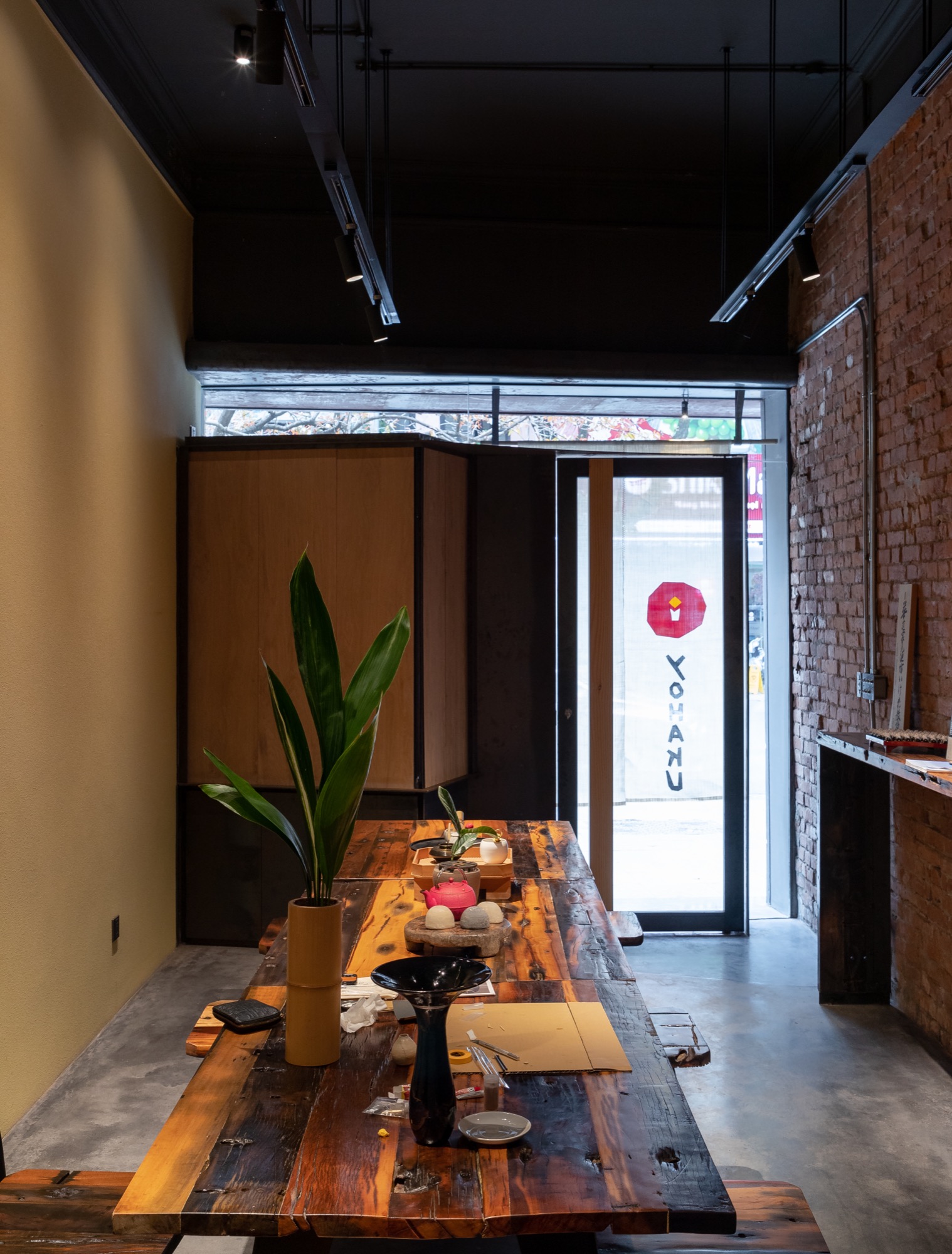
At this occasion, its Yohaku sign is displayed on the front door accompanied with an Ikebana art piece, sometimes other items or a petite statue seated behind the glass.
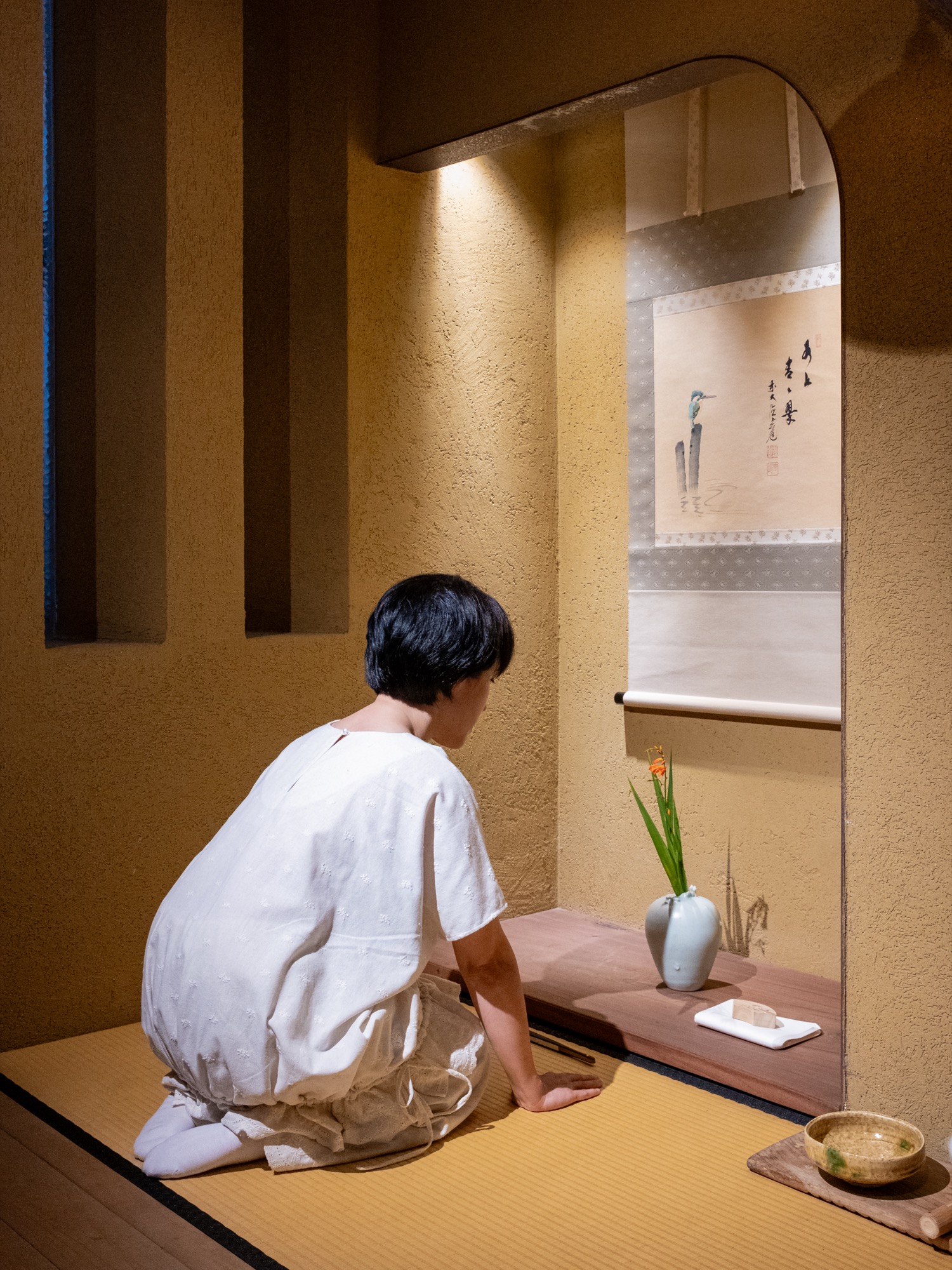
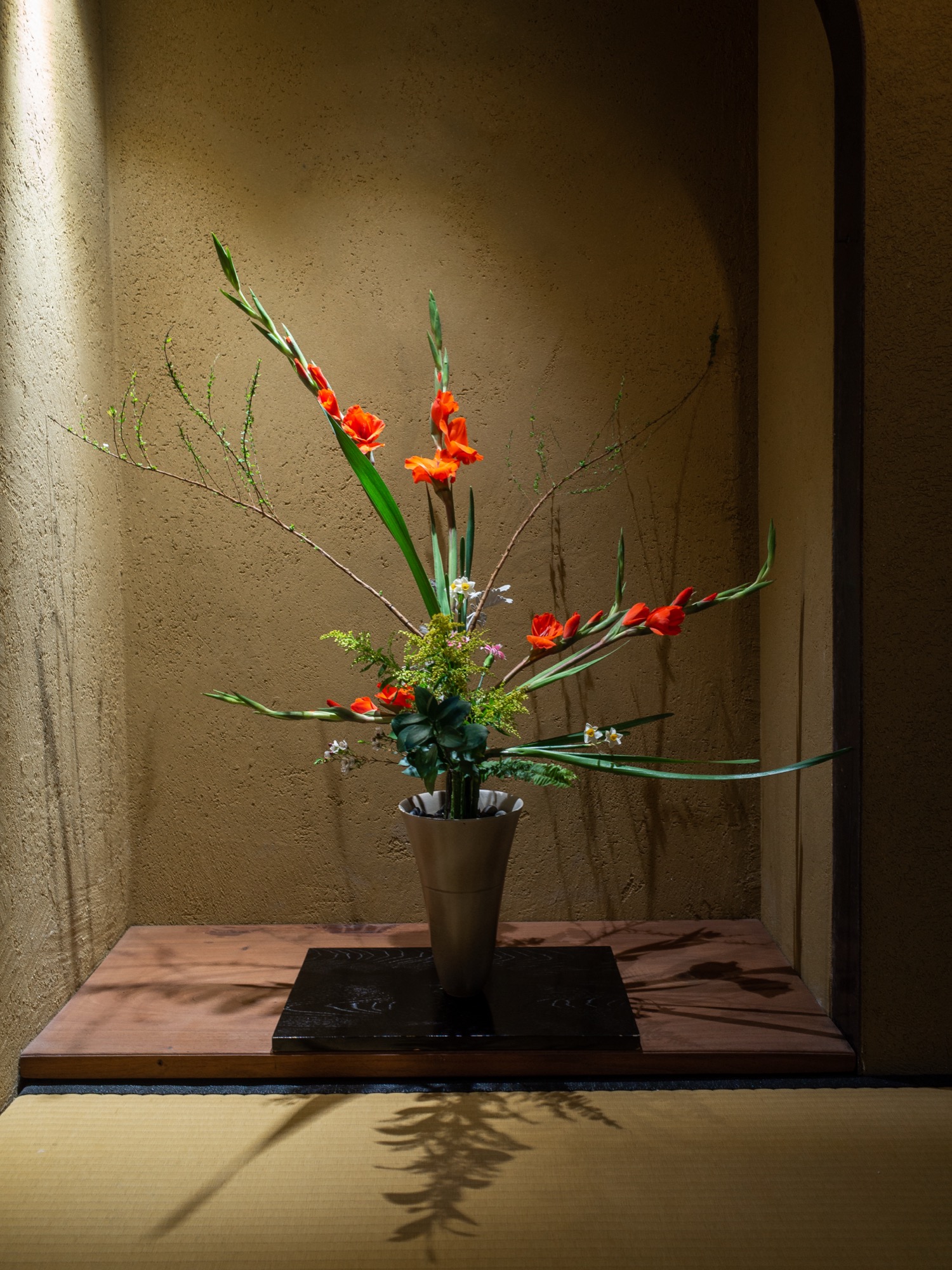
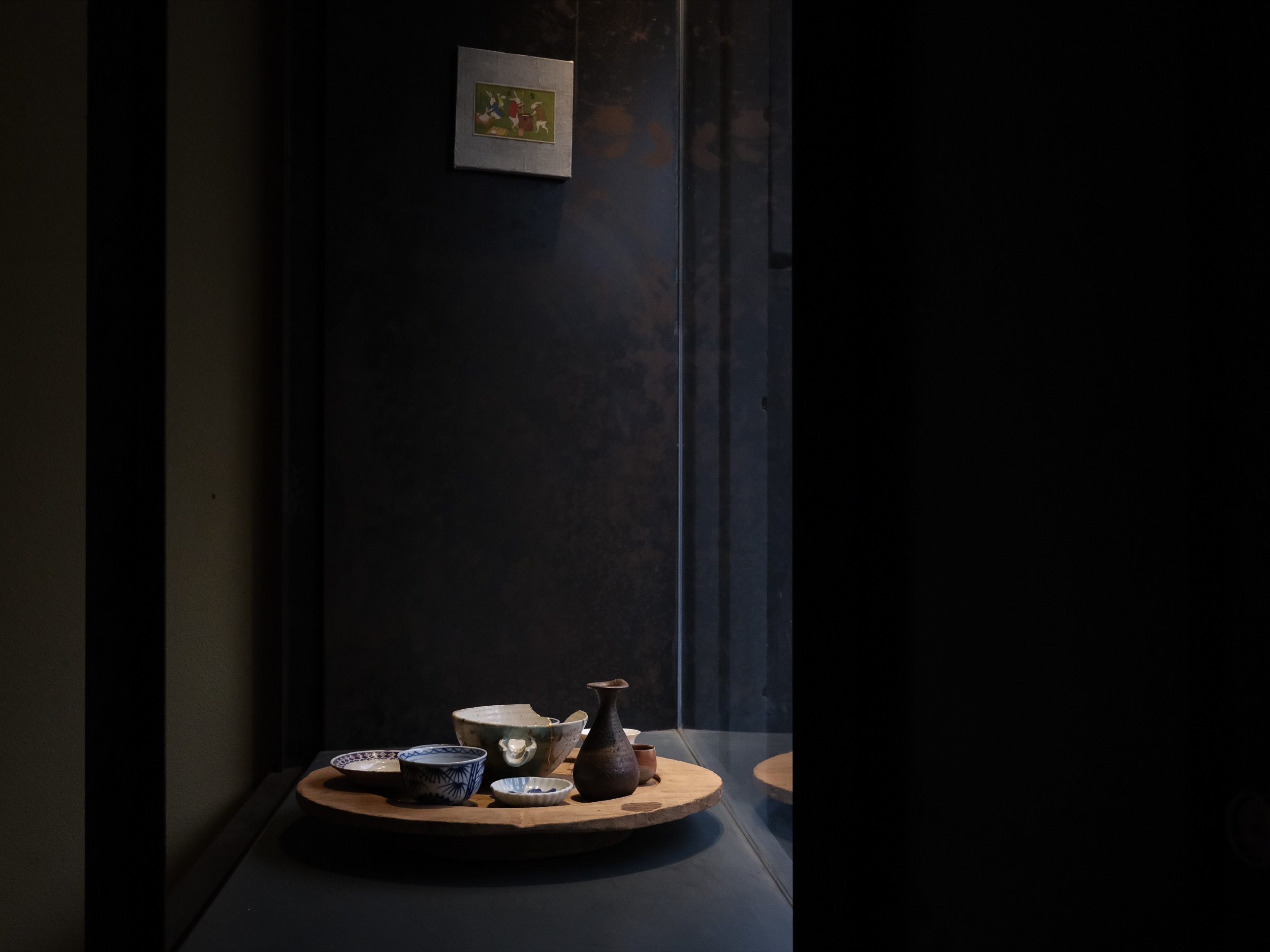
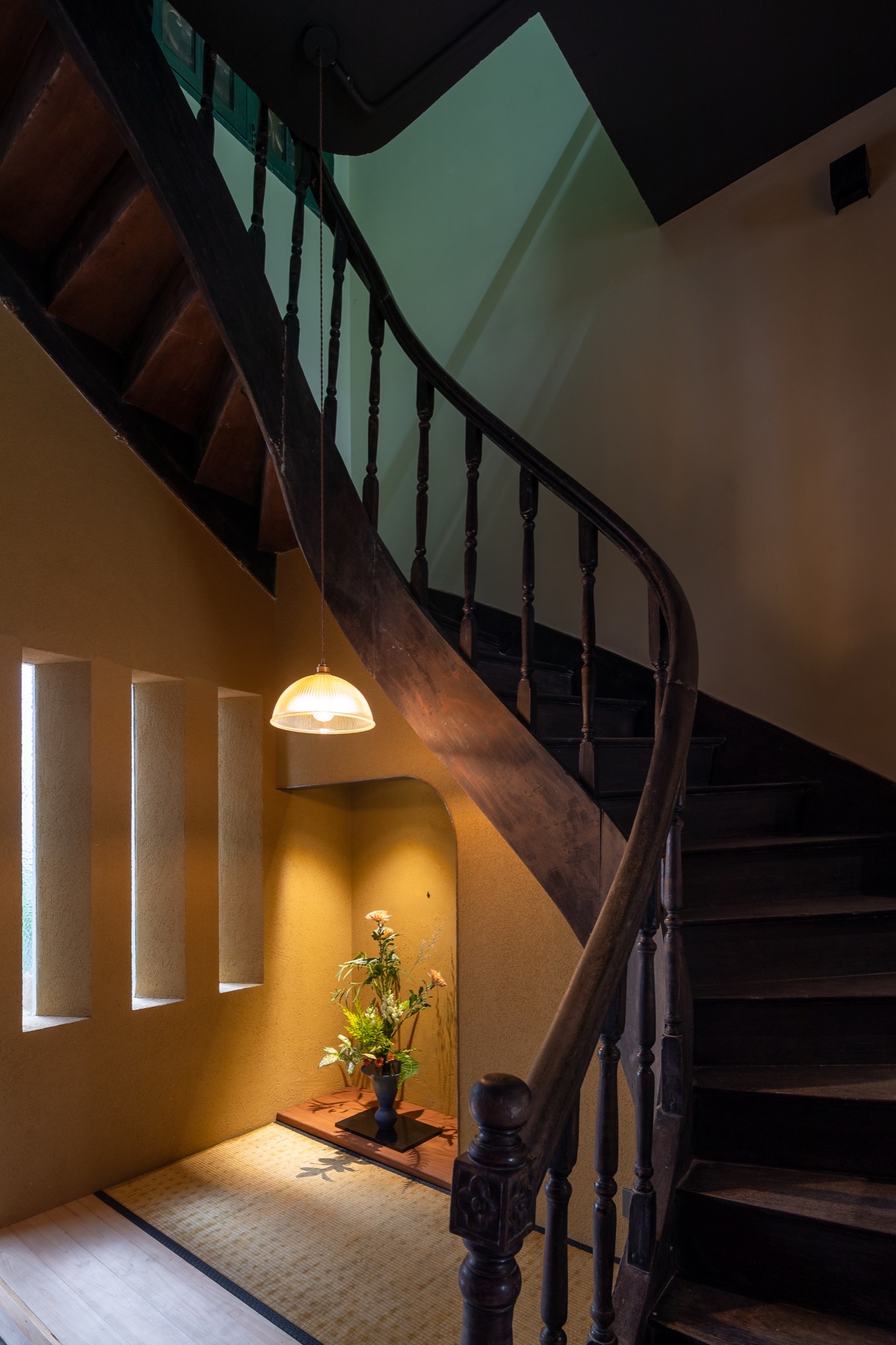
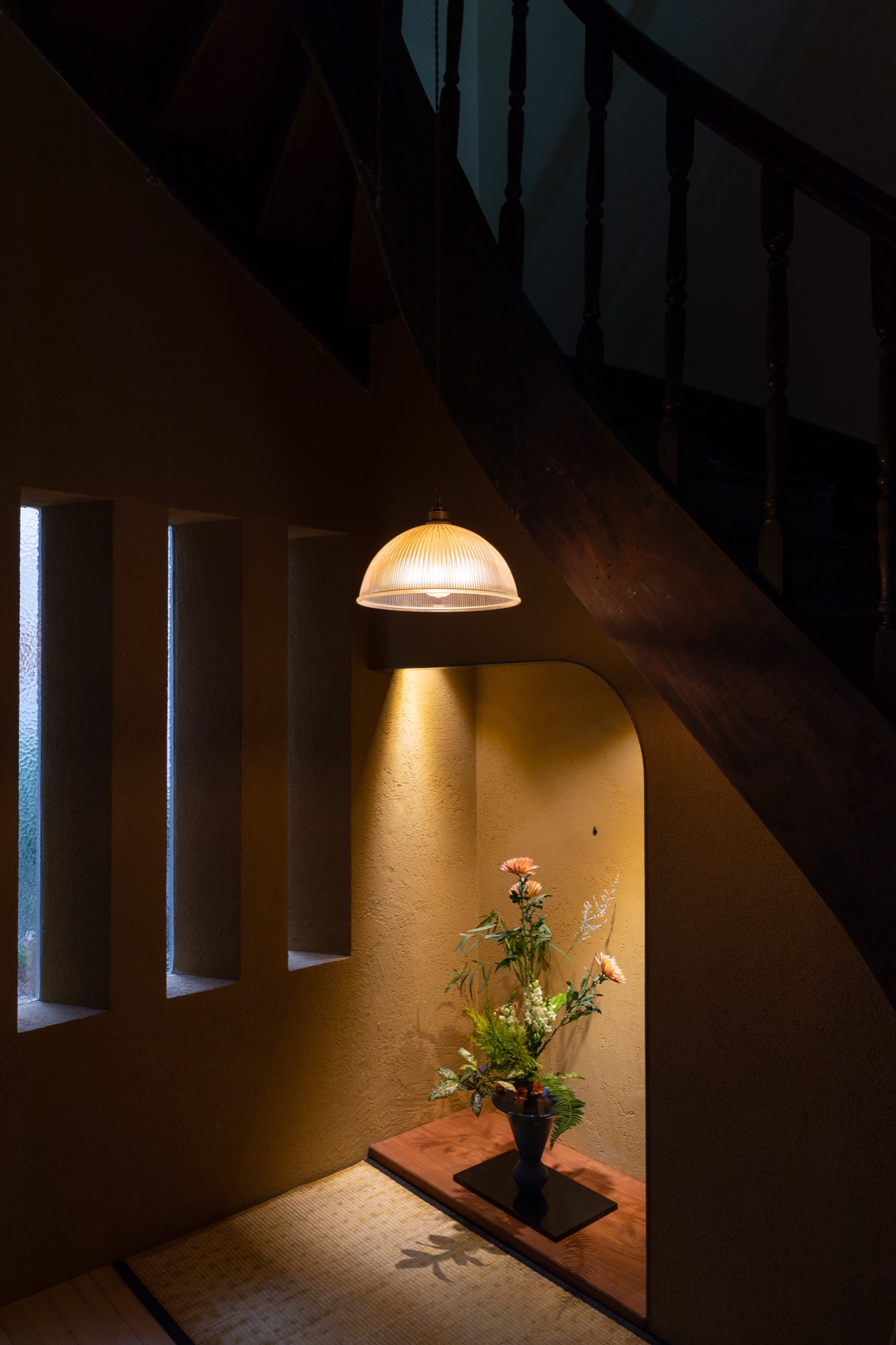
The house aged more than 70 years is where Abe Hanna was born and brought up. The place has two main blocks connected by the central inner yard where once was the orchid garden of her grandfather. To consider the functional layout, the space resembles typical Machiya houses in Kyoto (Japan). This is the purpose of Abe Hanna and architect Takashi Niwa when they restored the ground floor for the current classroom. Included in a traditional house in Japan, there is always a space for display called Tokonoma, this alcove is crucial where Ikebana vase is located based on the principles of Yin and Yang.
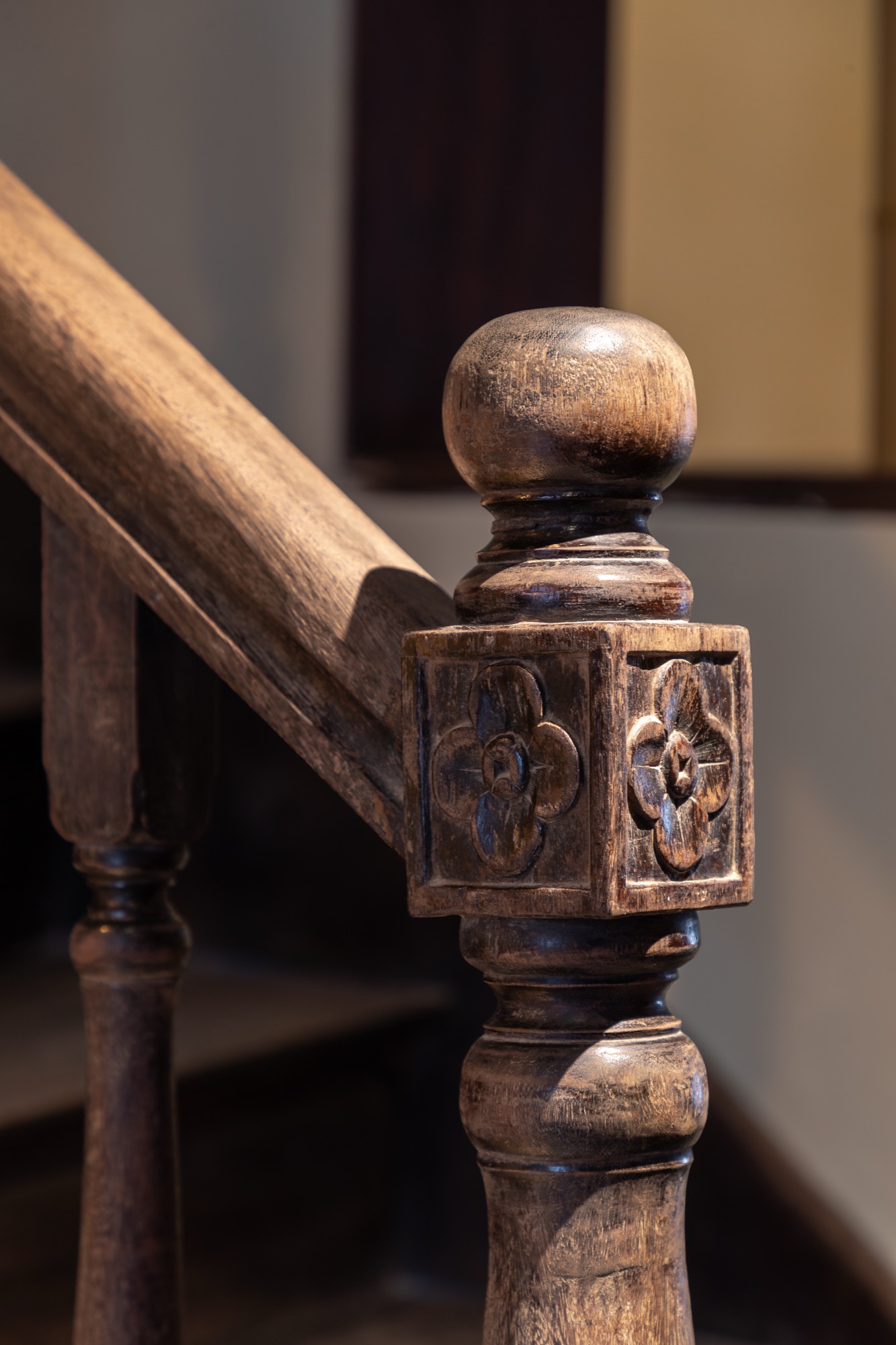
This space is very rarely situated below the staircase. However, to make a good fit to an old-fashioned townhouse in Vietnam, Tokonoma is then stayed under the wooden staircase of the house, Mrs. Hanna explains this is a sacrifice. This modest corner appears as a learning tool in studying and practising Ikebana in Hanoi.
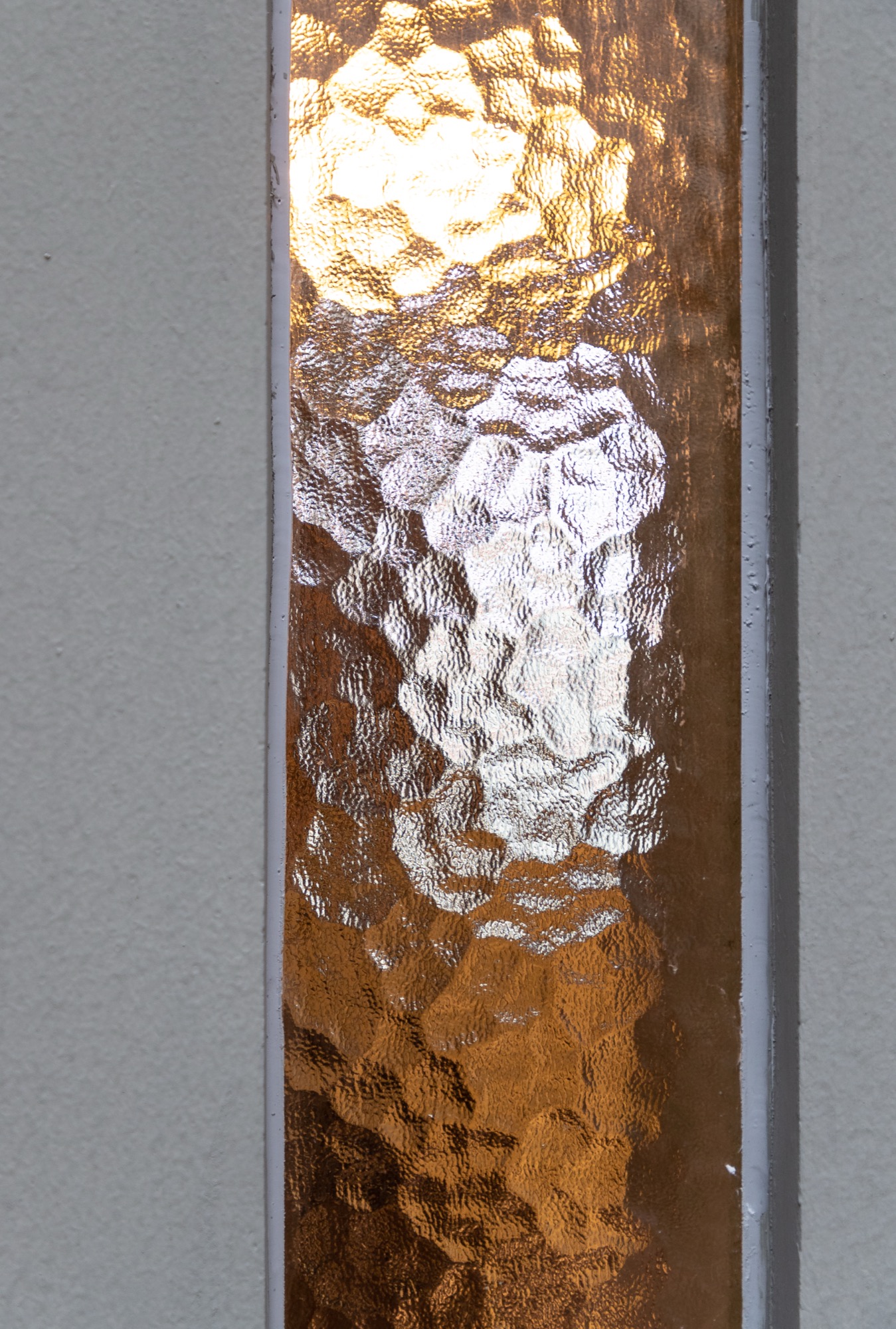
Yohaku’s space can offer room enough for a grand wooden table in the mid-room, on which 6 to 8 students might have their practice according to the topic of the class.
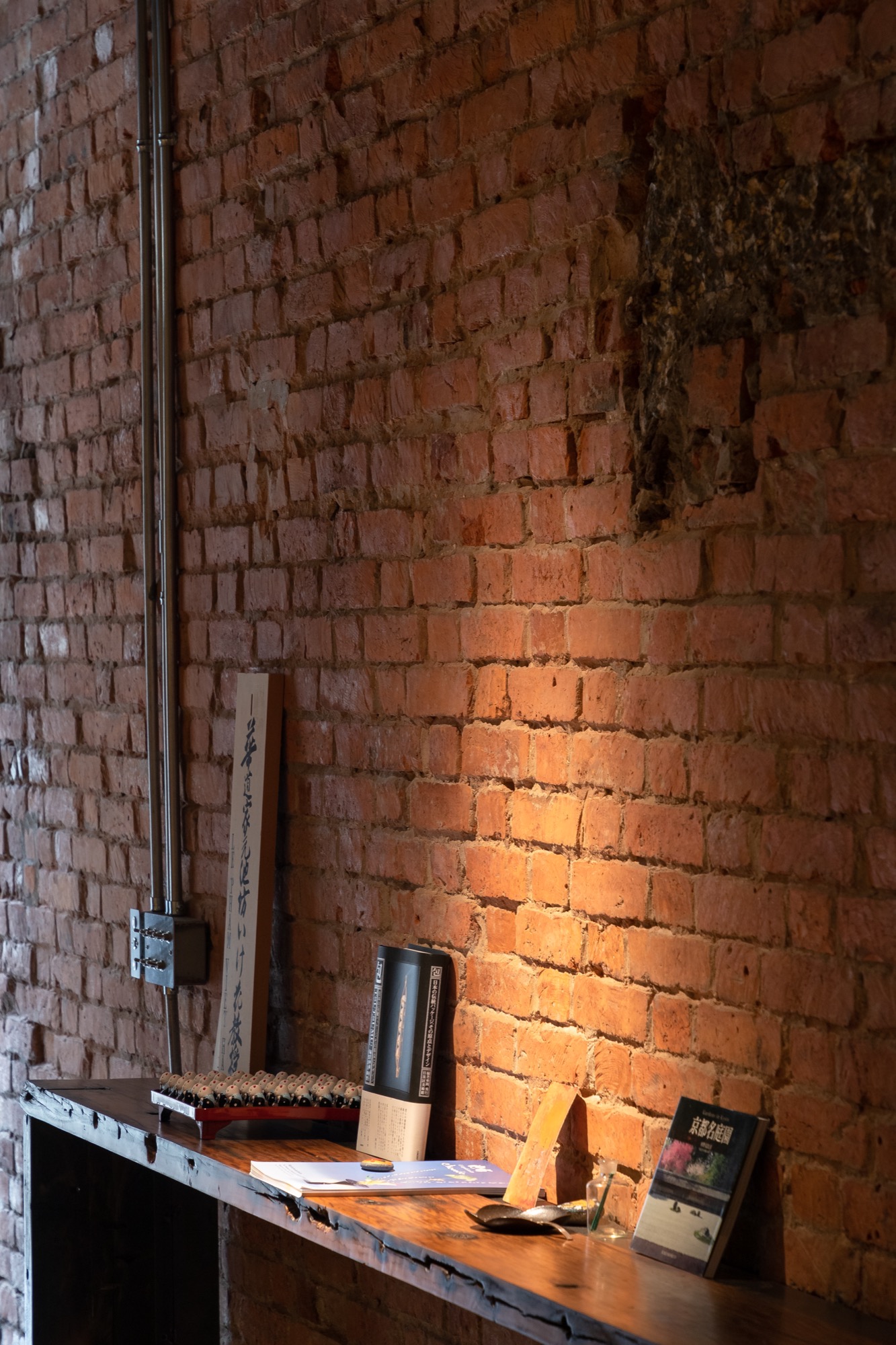
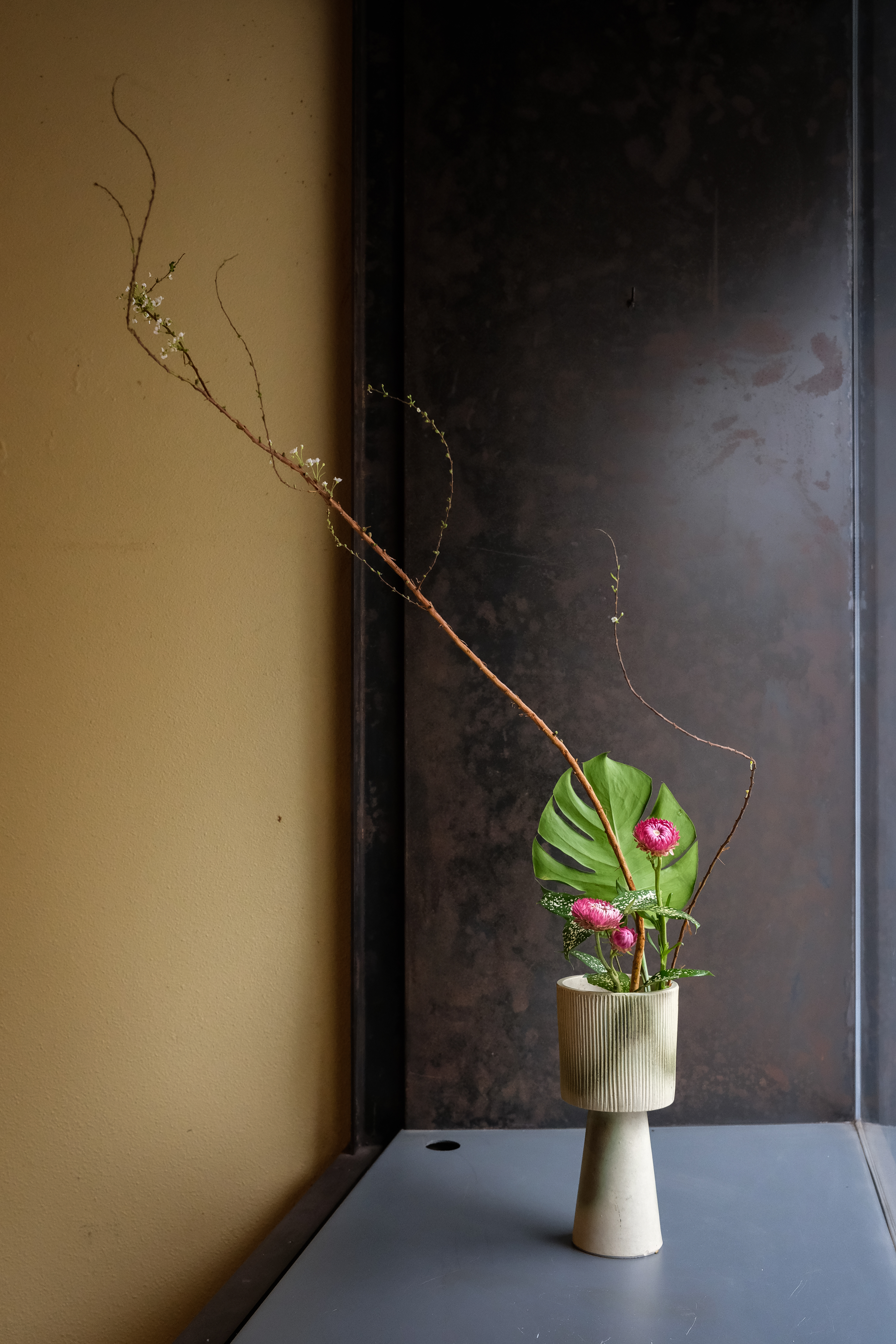
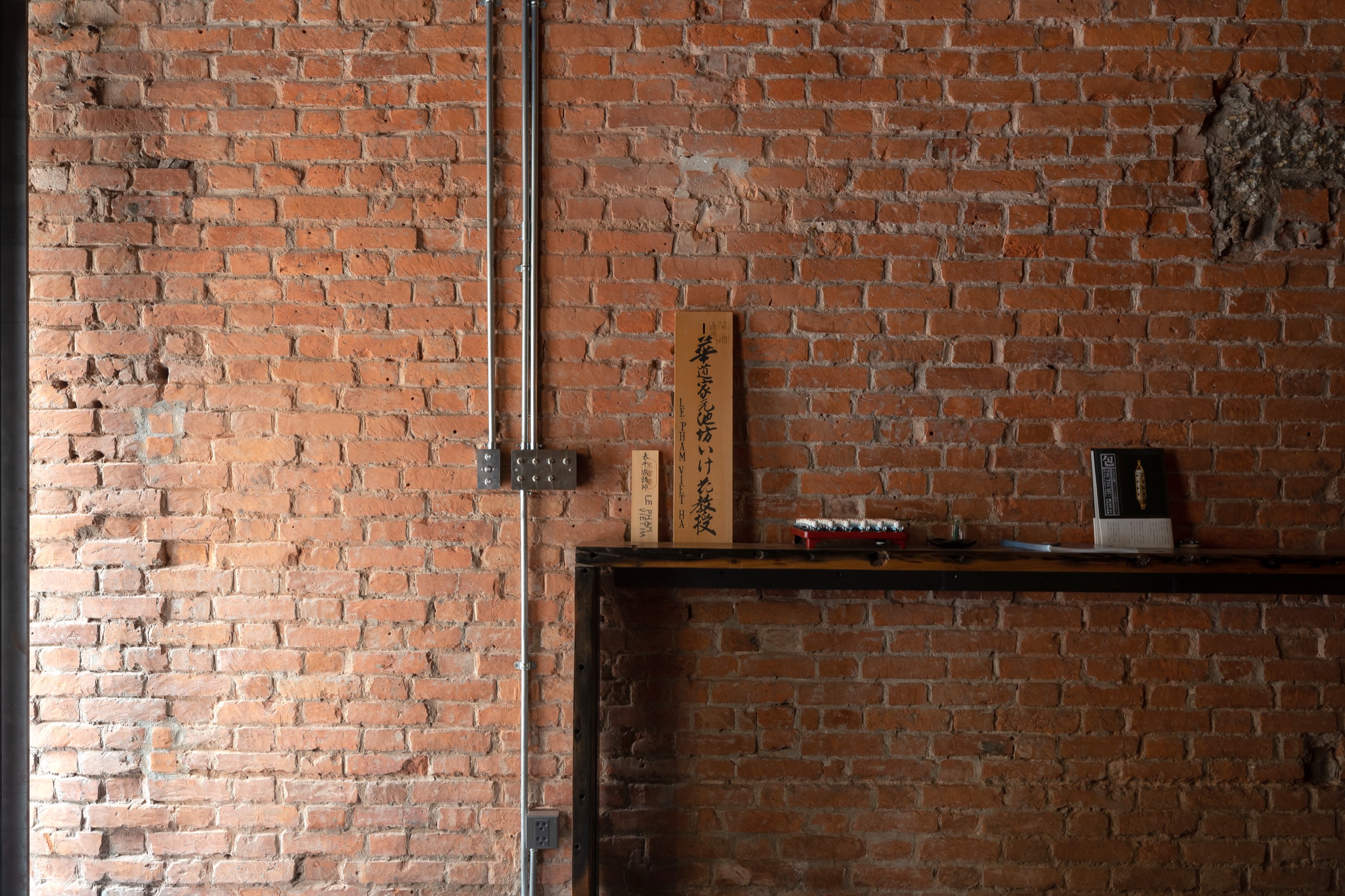
Shelves on the raw-bricked wall are filled with referent books for students, higher space is for some traditional paintings and special Chabana vases (a flower vase in tea ceremony). Ikebana’s vase is displayed near the entrance where natural sunlight dances on each art pieces. People on the street may easily contemplate this art through the front glass.